


Jasper Johns
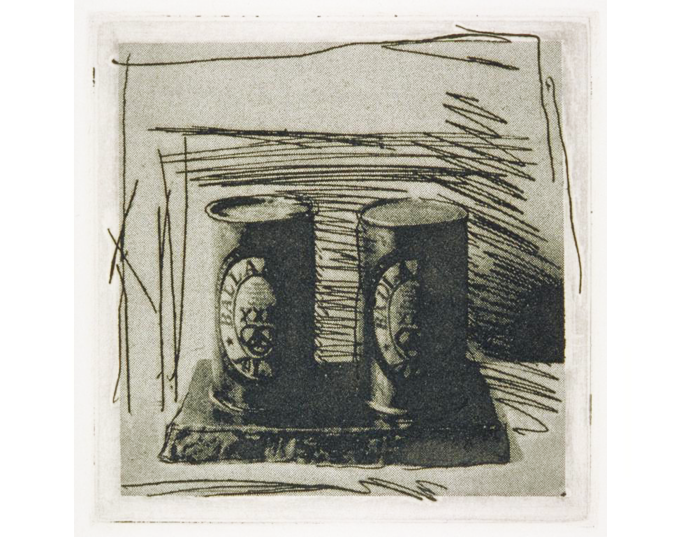
First Etchings, Second State
1967–9
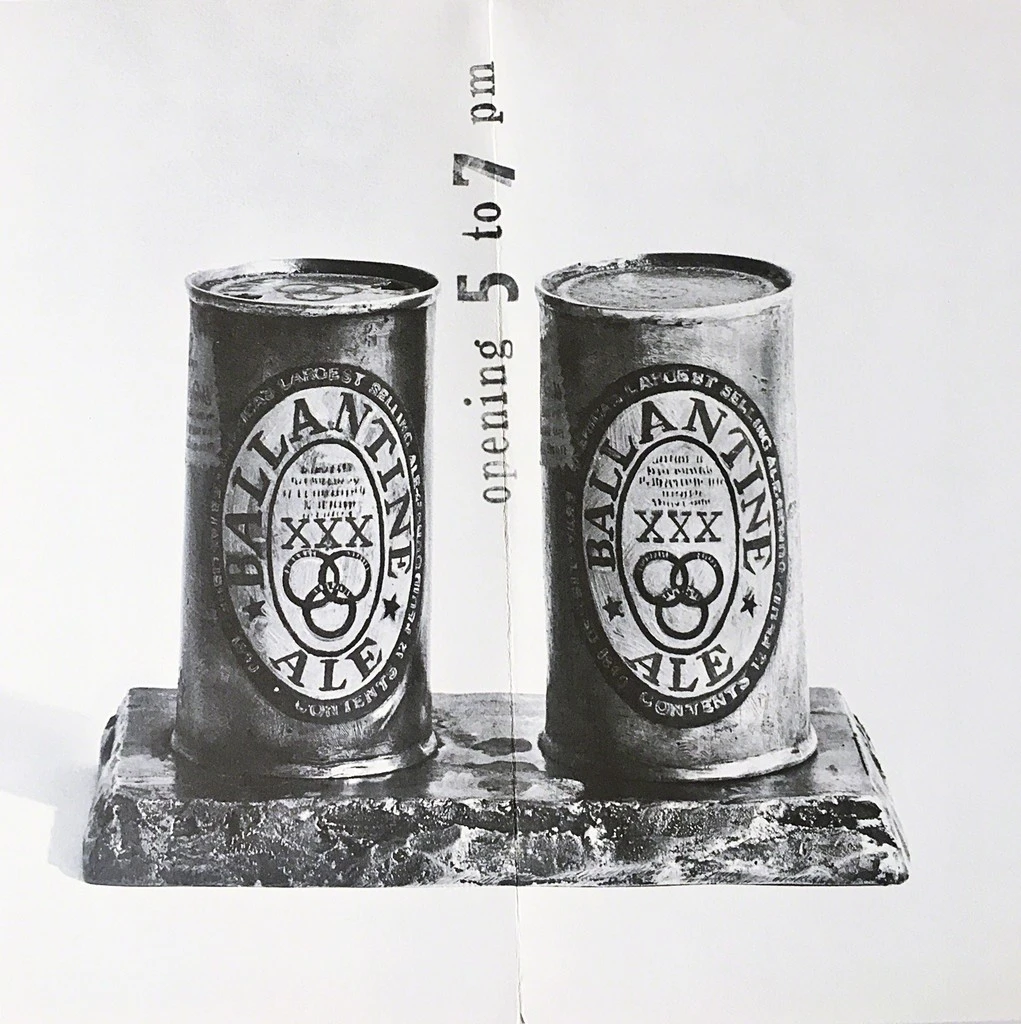
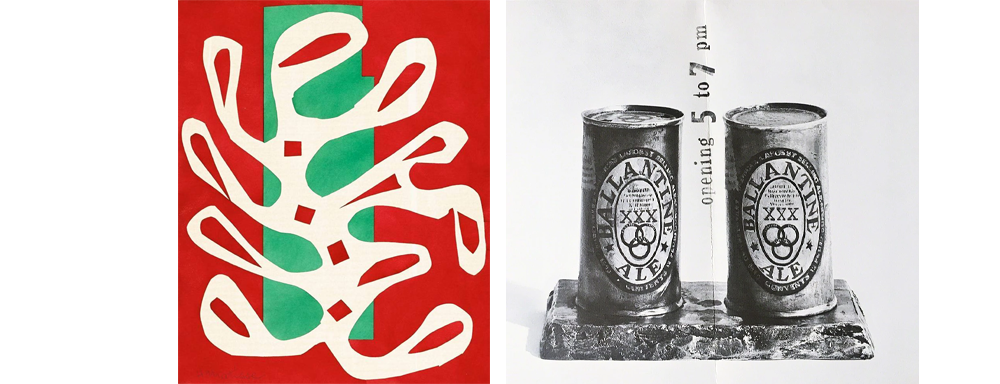
……Appropriation and the Everyday: Jasper Johns (Ale Cans) and Pop / Minimalist artists utilizing Duchampian readymades and chance to redefine the original……………….The Rise of Multiplicity: The 20th-century shift away from the individual mark toward sets and series, challenging modernist values of absolute authenticity……
……printmaking plates and stones should never be destroyed, but kept available for new works, new combinations……Jasper Johns, 1978
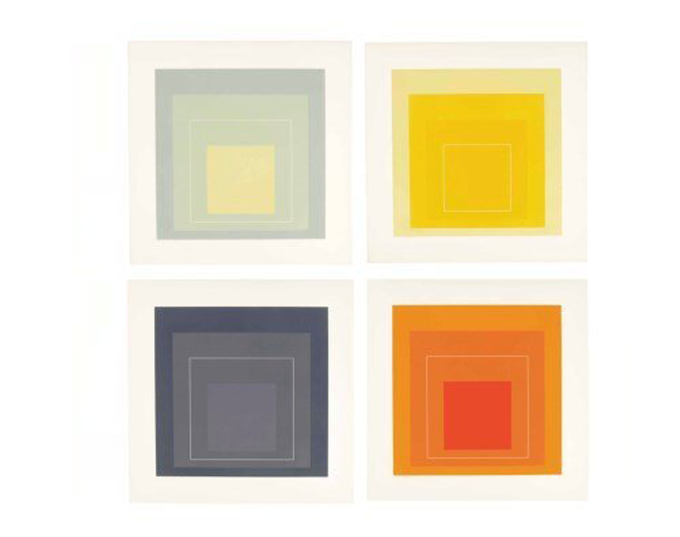
joseph albers, White Line Squares, Series I….The Set as a Climate: Josef Albers’ Homage to the Square (1950–1976). A rigid conceptual framework (three or four concentric squares) used to generate hundreds of perceptual variations based strictly on color interaction, proving that a static order can yield infinite climates.
variations on a theme : sets in art
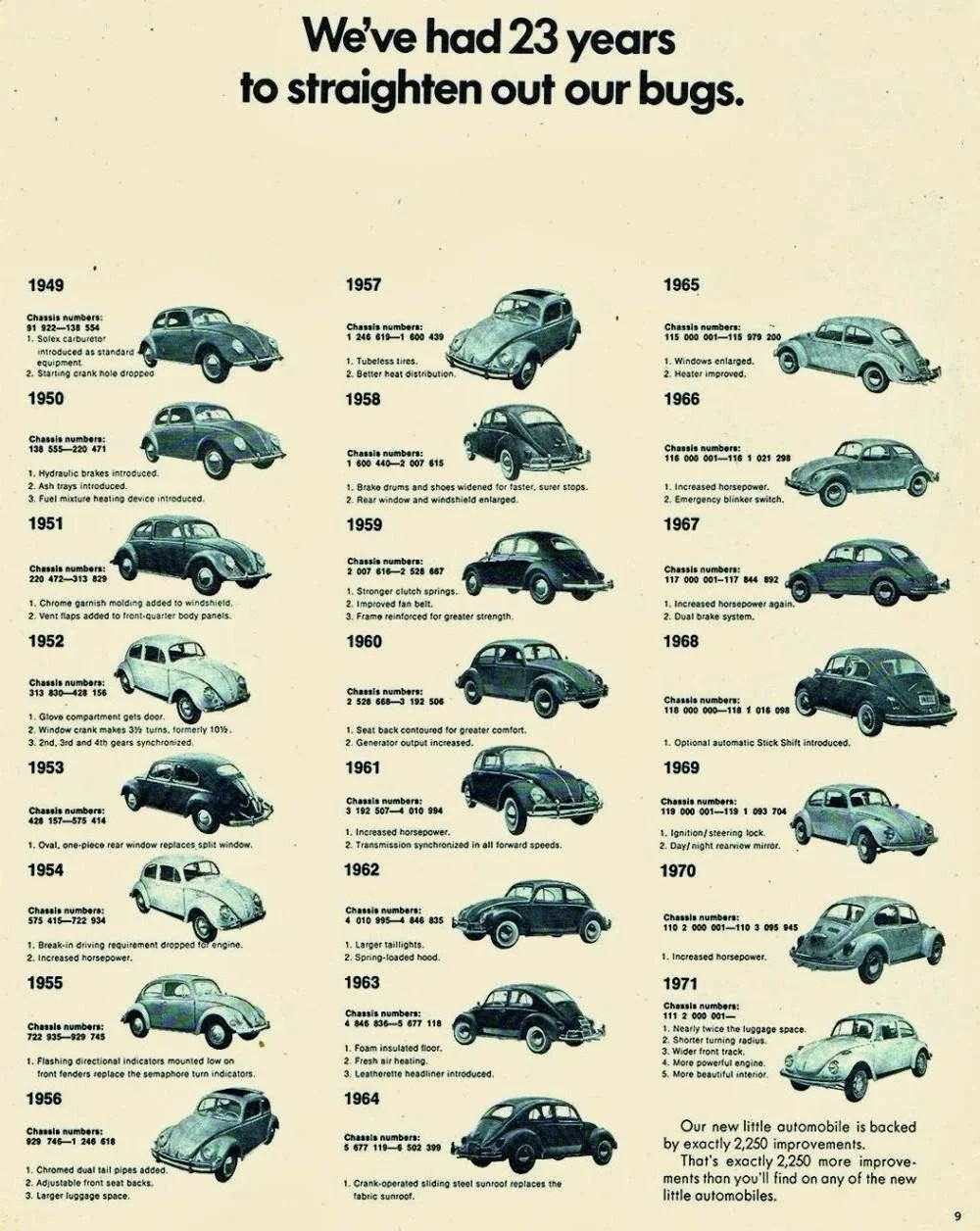
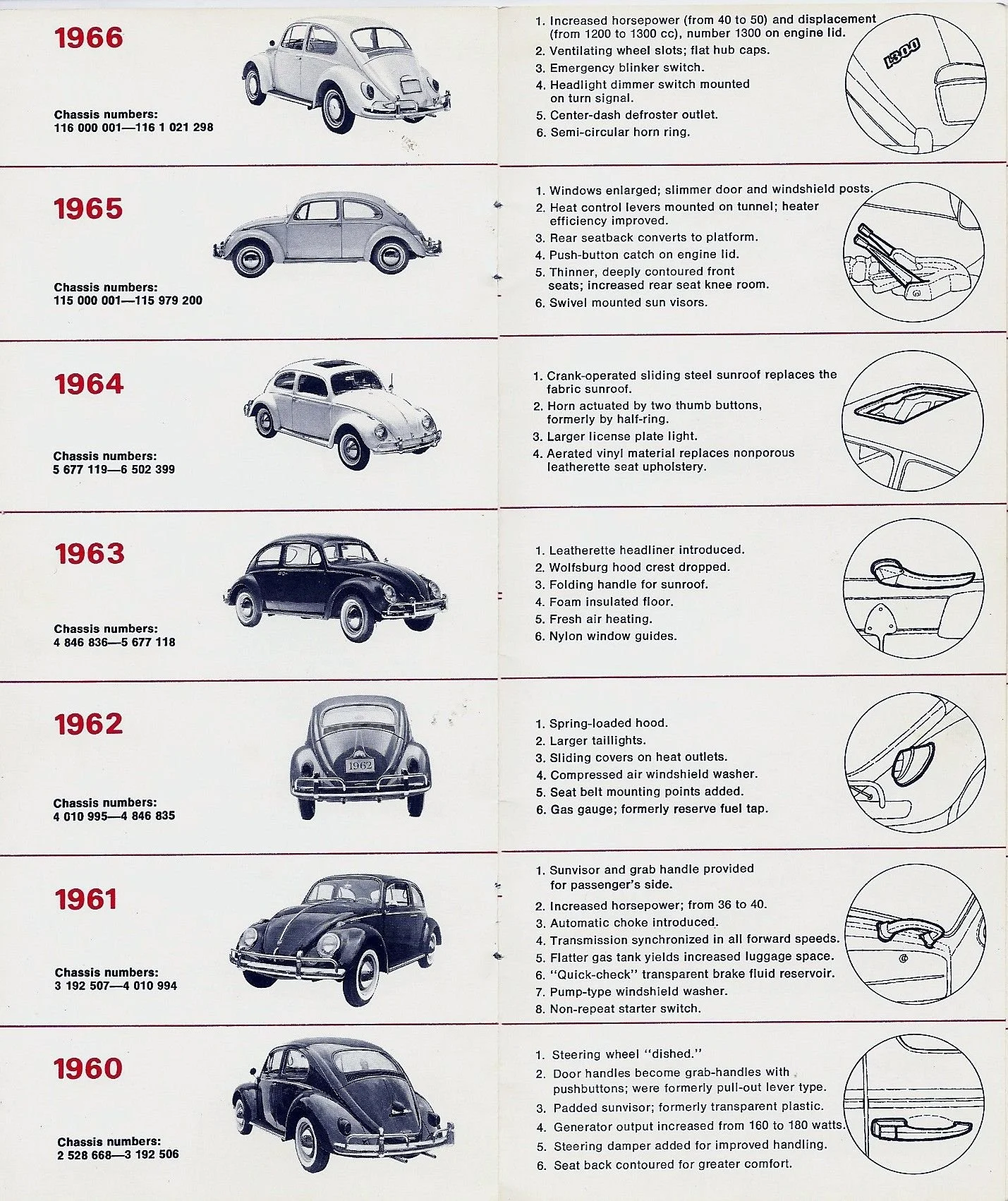
……….works of art (simple, uniform, interchangeable elements assembled in a regular, easily apprehended arrangement) that are conceived in series or as part of a larger group; often the individual work is regarded as incomplete in itself, needing to be seen within the context of the whole………...…The Shape of Time: George Kubler’s theory of "serial formalism," viewing art objects as a historical network of gradually altered repetitions and problem-solutions, rather than isolated strokes of genius………
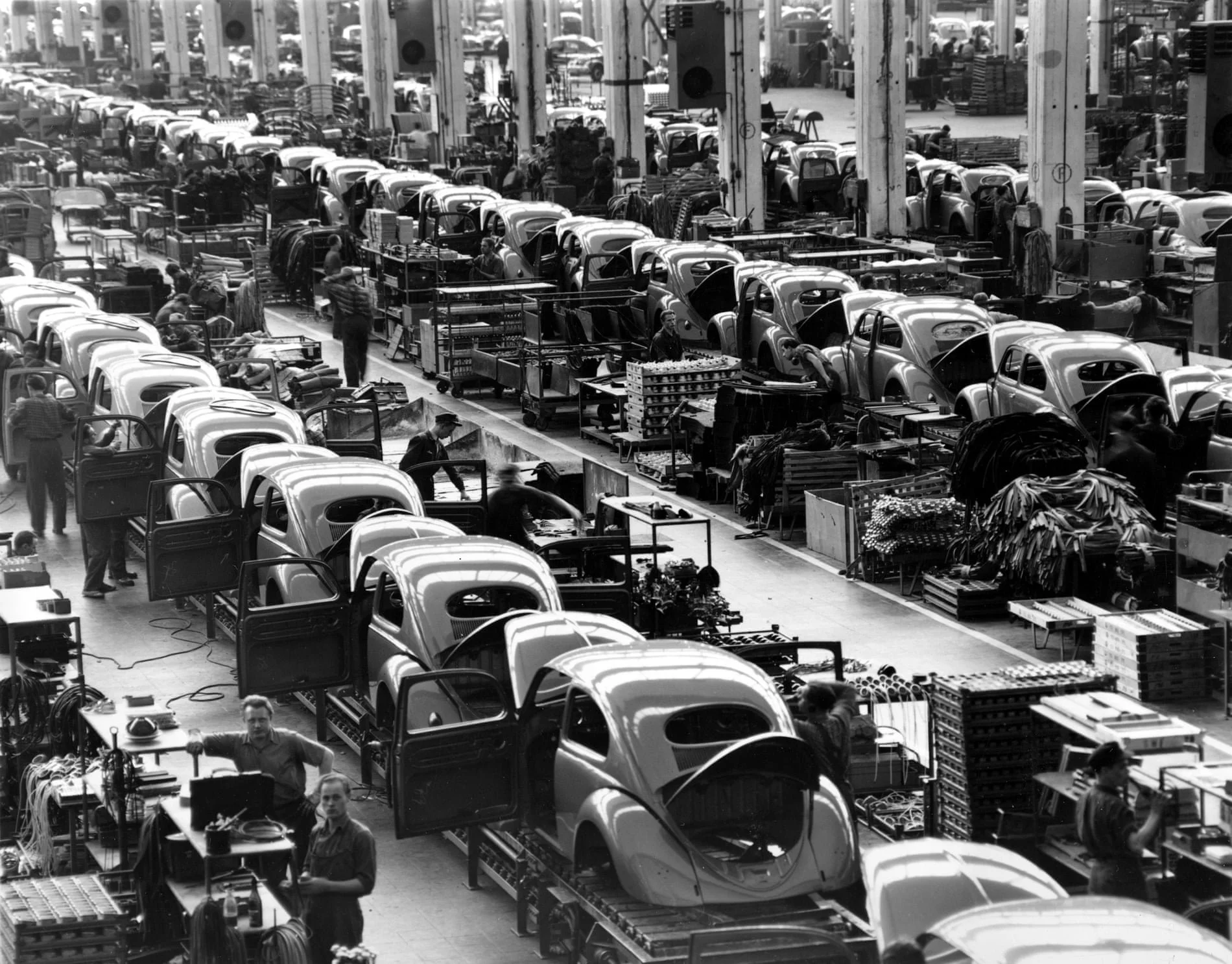
……………artists working sets of images represent a dramatic shift in artistic thinking and theory of the twentieth century. With the artistic embrace of multiplicity, the print medium became increasingly more accepted. The individual markings by the artist’s own hand lost its relevance, leading to relative demise of the original………….works do not present final aesthetic solutions, but rather they express a moment in the infinite multitude of possibilities……………
……………..repetition, both an aesthetic and a poetic device, is linked to notions of tradition, to the idea of an original and its copies, originality, authenticity, and appropriation……….Why repeat? Do repetition artists use same motifs over and over again to achieve perfection?............readymades are marked as images that ridiculed the need of tradition to provide special meaning to the production and the choice of materials. Pop artists, minimalists, performance, and conceptual authors, adopted the concept of appropriation and repetition as a way to undermine ideas of authenticity and value……………..
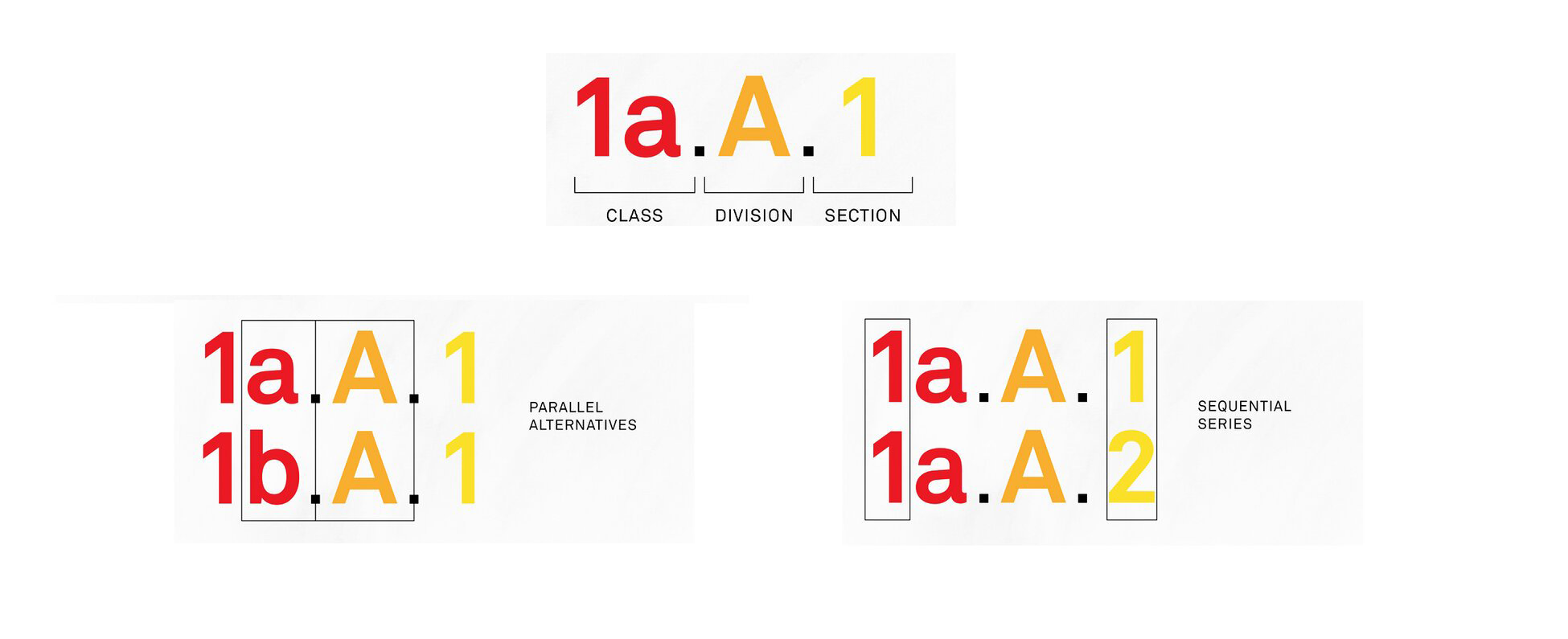
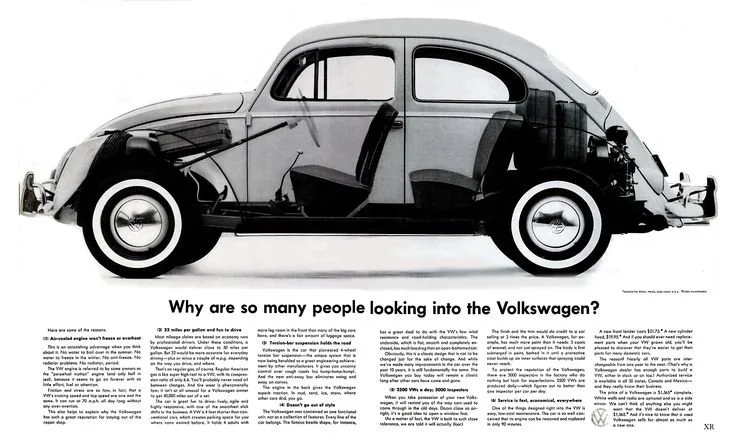
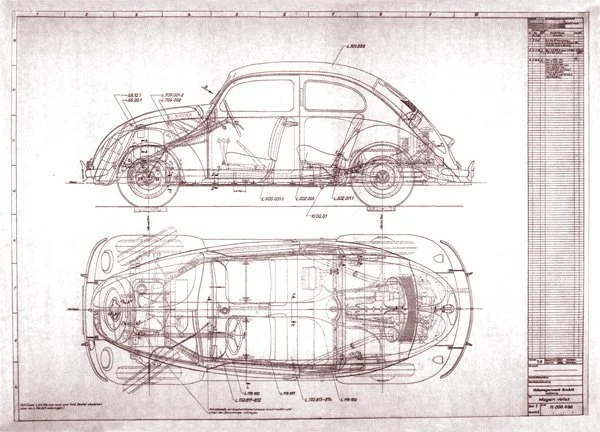
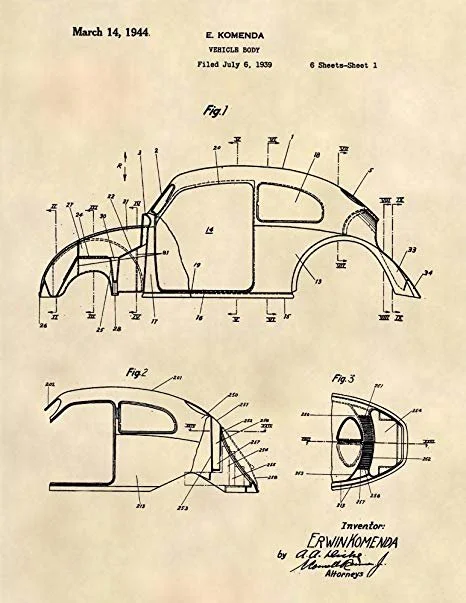
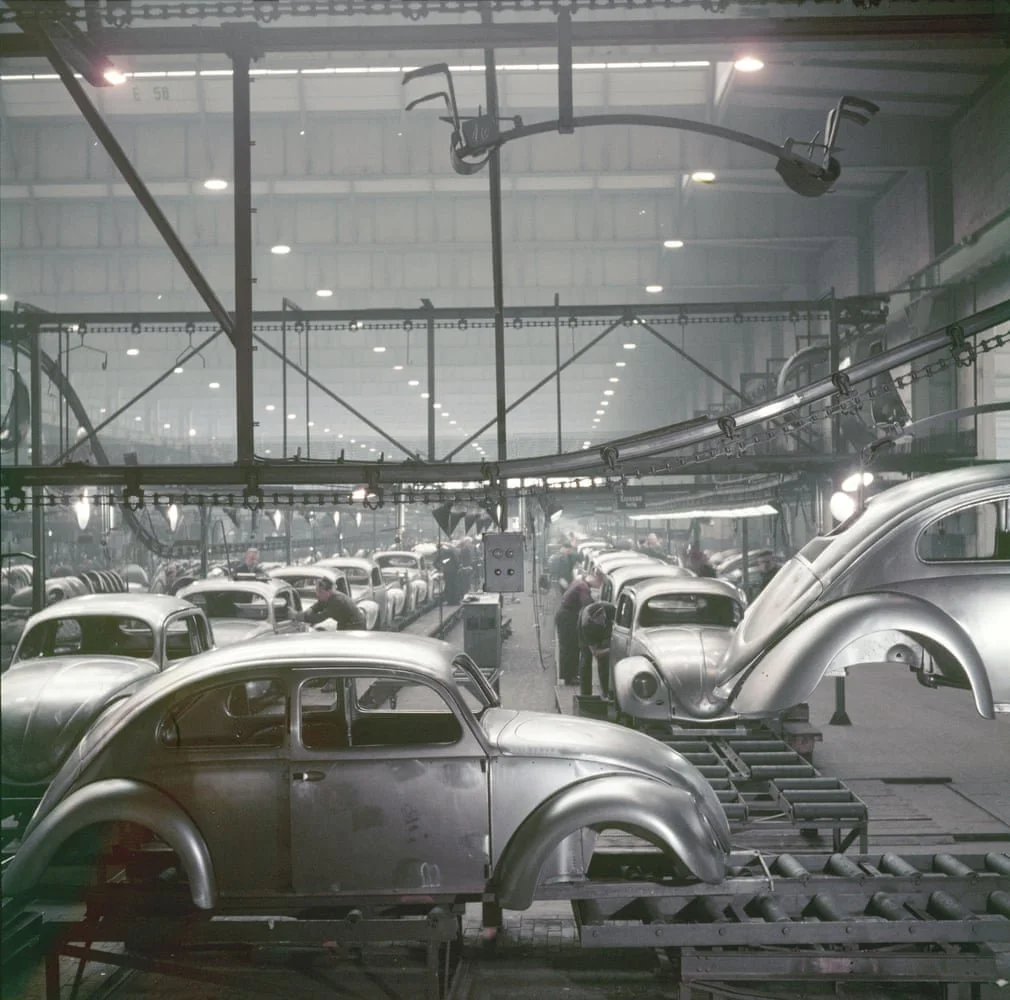
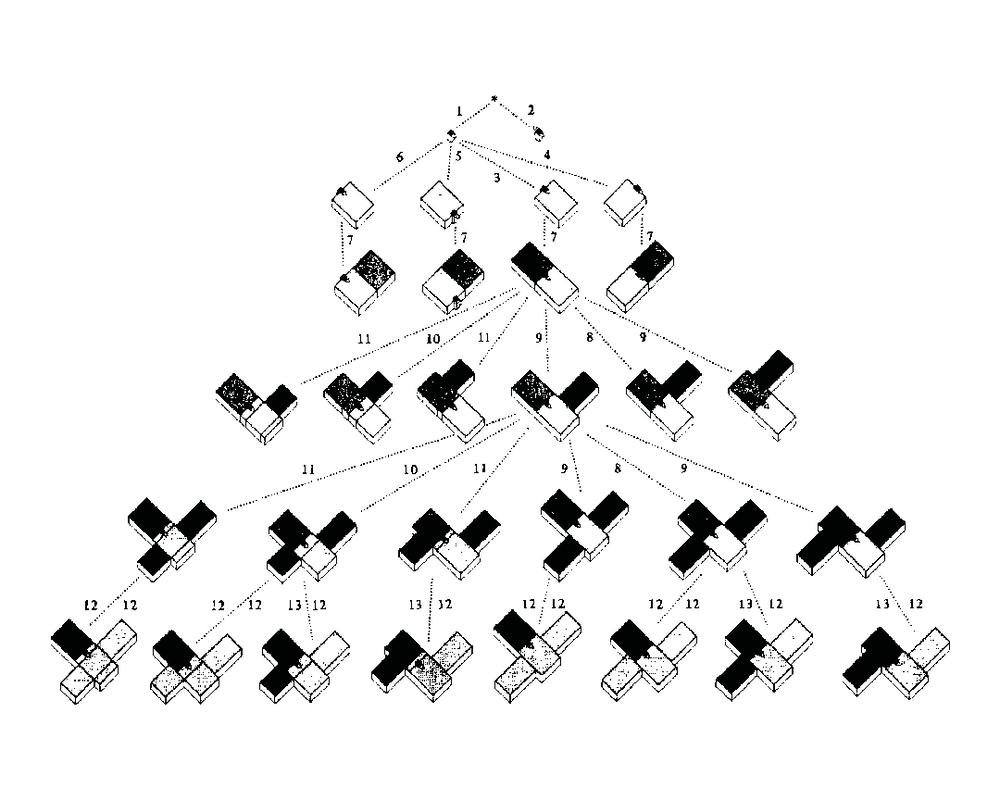
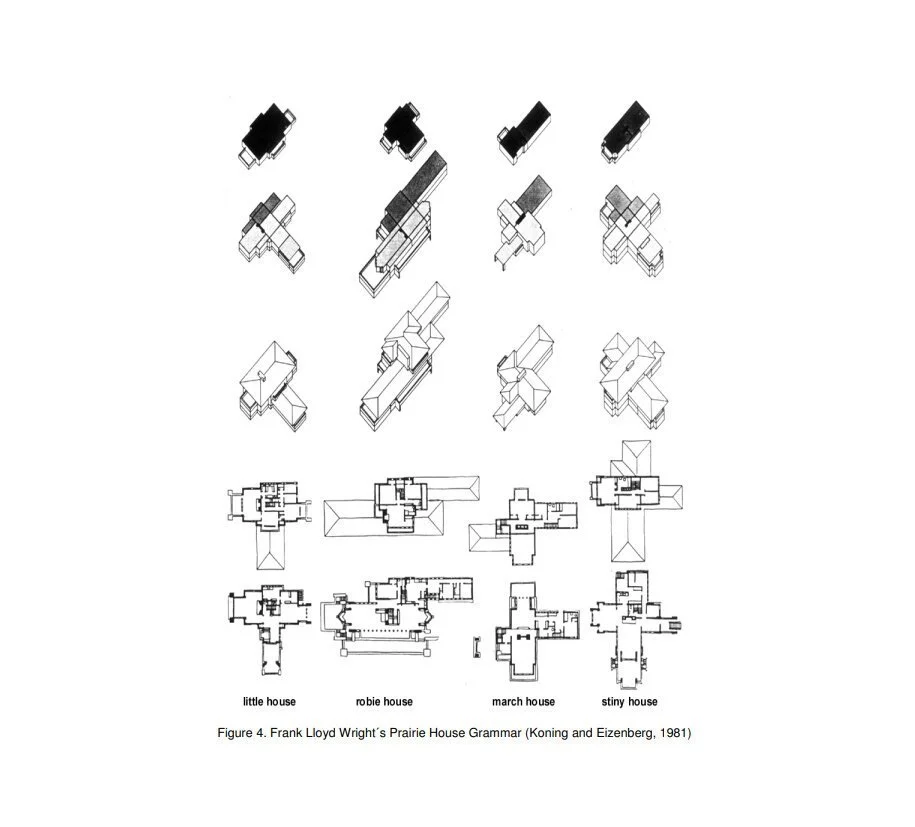
………A shape grammar consists of shape rules and a generation engine that selects and processes rules. A shape rule defines how an existing (part of a) shape can be transformed. A shape grammar minimally consists of three shape rules: a start rule, at least one transformation rule, and a termination rule. The start rule is necessary to start the shape generation process. The termination rule is necessary to make the shape generation process stop…………
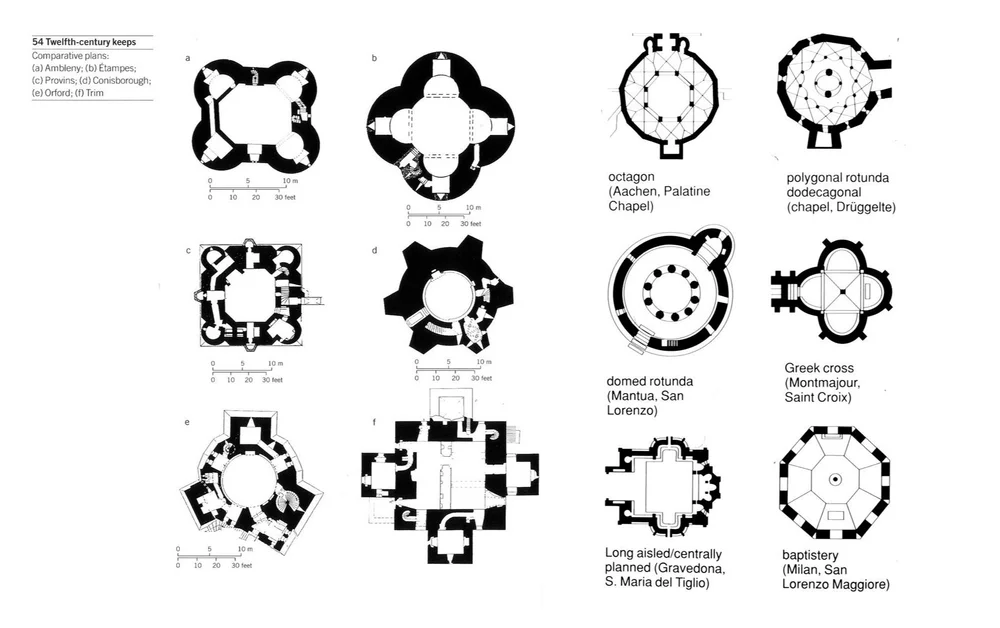
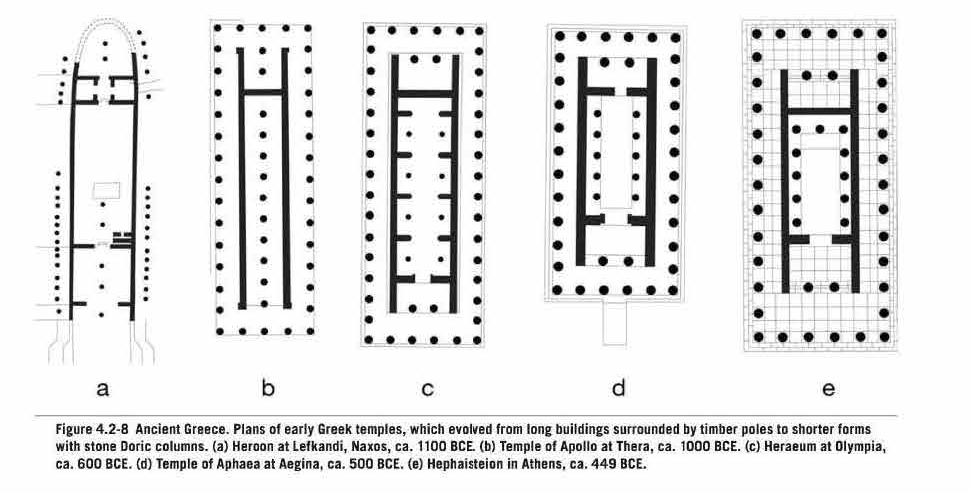
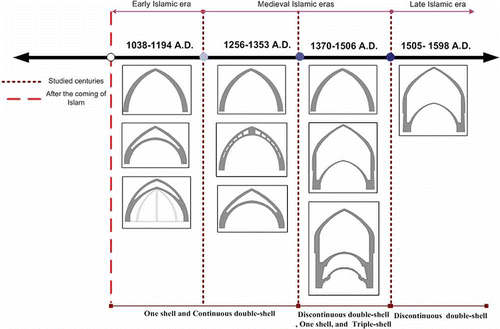
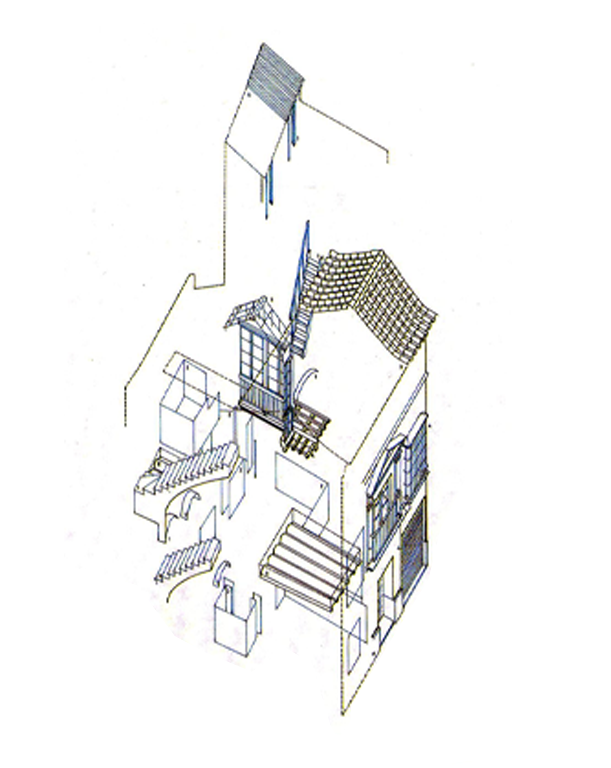
………The main tenet of Giulio Carlo Arganʼs discourse of the typology of architecture is that architecture itself is without or does not have a specific “type.” That is to say that strictly speaking one instance of architecture is devoid of type. Rather, it takes several buildings to constitute a type. These buildings are required to have characteristics and functions that are analogous. The process of “typing” and architecture involves reduction of the whole to the parts to find some commonality. It can either arise from historical or precedence study or can arise from a freeing from the historical condition. The first instance may seem obvious in that precedence study involves looking at buildings that are already in existence and is therefore historical. However, the second instance, in being freed from history can derive an entirely new type. As examples of both Argan looks at both modern industrial architecture and religious architecture. In the former the architecture is responding to new demands placed on the design while the latter responds to values resulting a typological “repetition.” These both have merit and can serve to inform the building to type that will eventually arise. Not only does it involve the functions of a building but also the configuration of the parts. With this in mind Argan argues that typologies in architecture fall into three main classes: first the configuration of the building then the structural elements and finally the decorative parts of the building. In the process of designing a building the typology should be considered and it is the role of the architect to keep or discard the types as they relate to his or her building. A type that is kept may then become a starting point for the design.…………
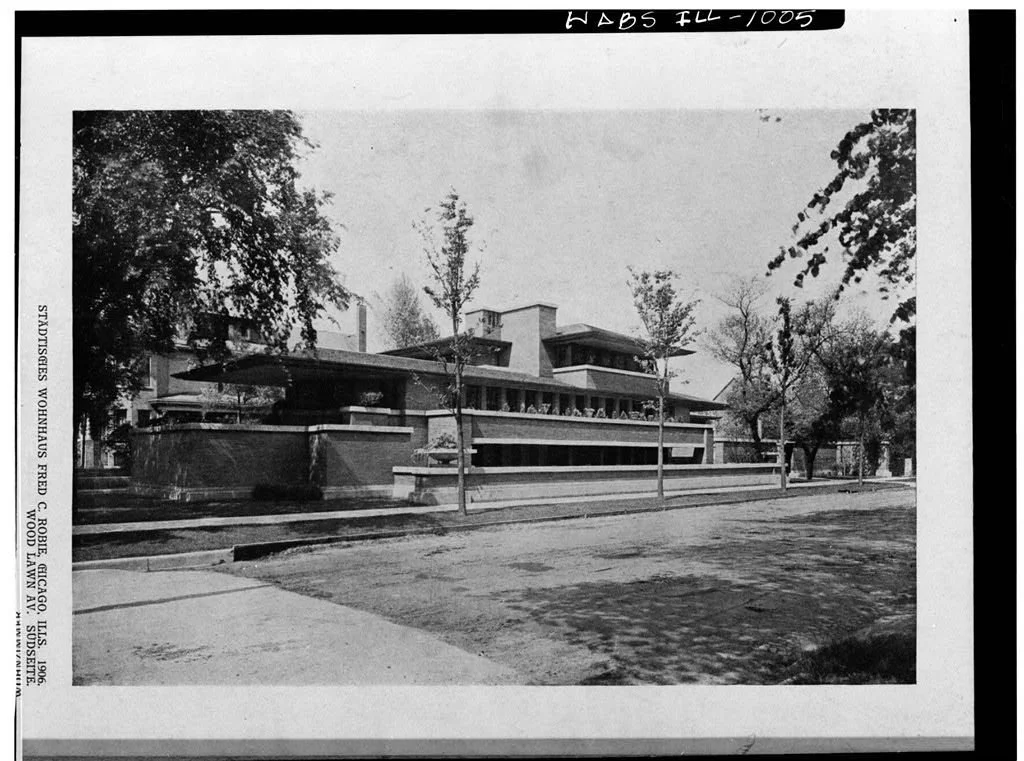
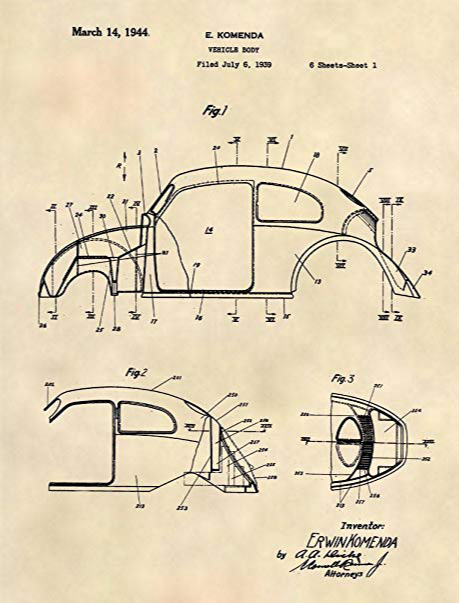
……………….the model, or exemplar, then, may be considered to play the role of an enabling fiction…………….explore notions of singularity, similarity, and exemplarity in its different forms as it mediates between the particular and the general and in relation to the capacity to educate the senses and to cultivate reason, and thereby to enable creation………………..For lawyers, the idea of precedent, of an example of a case providing an authority for subsequent similar cases, has its own culture…………………..“The example unfolds its rhetorical, social and epistemological power in the transitional space between perceived particulars and norms and rules, in the junction between observation and language.”……………………the relationship between originating event and subsequent taxonomy in understanding the position of the example, noting that the example “forms an open position in a structure and process of ordering; it creates a space of transition, where the extraordinary and the ordered merge without unifying.”……………….the “interaction of examples” noting a tendency to move “beyond the functional aspects in the tendency to, and imposition of, equivalence into the radical singularity of metaphors.” ………………….suspicion of the example as reductive function and explores his lionization of mimesis and artistic resistance to example……………..“can examples function as the means by which one first establishes what a virtue such as ‘courage’ is or are they able only to act as reminders of a moral idea that one has already grasped?” “Between unique and typical: Senecan exempla in a list,” whilst all the time keeping an eye on the relevance of such sources to contemporary critique; as Roller notes, the faultlines discoverable in Senecan exempla can be framed in Derridean terms, revealing an “other law” emerging from the exempla themselves. In examining the rhetorical edifice created by the example and the exception and the relationship between them……………..The final part of the book, focused on questions of exemplarity and singularity, “the exemplar is a fiction that transcends the historical,”………………The book concludes, fittingly, with a final essay considering the relevance of Freudian theory to the illusory nature of coherence or stability of meaning in our construction of narrative and example. In “Beside oneself: parapraxis as a paradigm of everyday life (Freud),” Paul Fleming echoes not just Freud but Lacan in his reminder that “Either you have a narration that includes a lack, a lapse of meaning, or you fill in the hole of meaning and create a hole in the single narration of everyday life, producing a re-doubled narrative of the quotidian.” (p.200) Whilst this reminder no doubt serves merely to enrich and endorse the findings of literary and philosophical scholarship, it is a provocation and rebuke to lawyers in their overly comfortable construction of the seamless narrative that is “fact” and “case,” “authority,” and “precedent.”
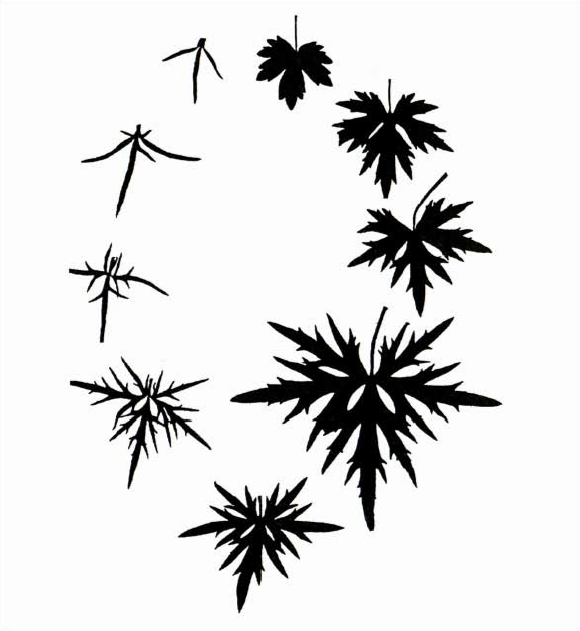
Leaves from the field buttercup (Ranunculus acris). Arranged as a graded sequence from the bottom of the stem (lowest left) to the top (bottom right), the leaves appear as a continuous transformation of a form that is never fixed but is always in motion, the movement-form of metamorphosis. Courtesy Ronald H. Brady, "The Idea in Nature: Rereading Goethe's Organics ," in Goethe's Way of Science: A Phenomenology of Nature, ed. David Seamon and Arthur Zajonc (Albany: State University of New York, 1998), p. 94.
Goethe's concept of plant metamorphosis treats the plant not as a collection of static, finished organs, but as a dynamic process of continuous transformation.
The Core Concept of Metamorphosis
Johann Wolfgang von Goethe proposed that all lateral organs of a plant—from the initial cotyledons and stem leaves up to the sepals, petals, stamens, and pistils—are modifications of a single underlying archetypal organ, which he conceptually identified with the leaf.
Instead of seeing a stem leaf and a flower petal as entirely different structures, Goethe saw them as variations of the same fundamental form expressing itself differently at various stages of the plant's development.
The Ranunculus acris (Field Buttercup) Sequence
In the text excerpt by Ronald H. Brady, the leaves of the field buttercup (Ranunculus acris) perfectly illustrate this principle of "movement-form":
Bottom of the Stem (Lowest Left): The earliest leaves are typically broader, more unified, and fully expanded with shallow lobes.
Middle of the Stem: As the plant grows upward, succeeding leaves show progressively deeper clefts and divisions, splitting into three distinct, sharply toothed leaflets.
Top of the Stem (Bottom Right): Near the flowers, the leaves transform into highly simplified, narrow, linear segments (bracts).
When these leaves are collected and laid out in order, they reveal a graded sequence where the form appears to actively flow, expand, and contract. The concept highlights that the true nature of the organism is found in the transformation itself rather than any single static state.
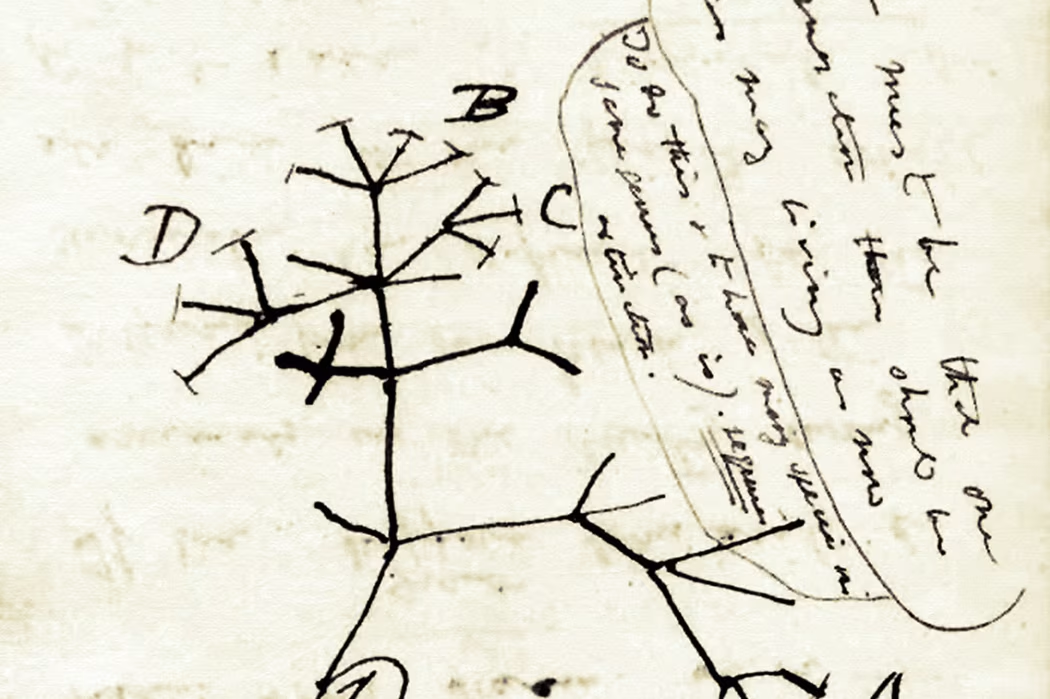
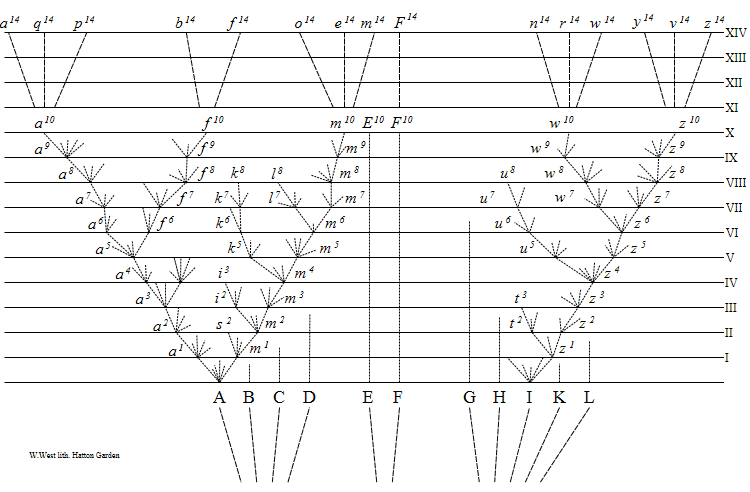
……..On the Origin of Species (On the Origin of Species by Means of Natural Selection, or the Preservation of Favoured Races in the Struggle for Life), published on 24 November 1859, is a work of scientific literature by Charles Darwin that is considered to be the foundation of evolutionary biology. Darwin's book introduced the scientific theory that populations evolve over the course of generations through a process of natural selection. The book presented a body of evidence that the diversity of life arose by common descent through a branching pattern of evolution……..
……..On the Origin of Species (On the Origin of Species by Means of Natural Selection, or the Preservation of Favoured Races in the Struggle for Life), published on 24 November 1859, is a work of scientific literature by Charles Darwin that is considered to be the foundation of evolutionary biology. Darwin's book introduced the scientific theory that populations evolve over the course of generations through a process of natural selection. The book presented a body of evidence that the diversity of life arose by common descent through a branching pattern of evolution……..
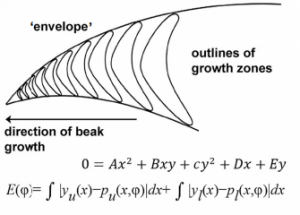
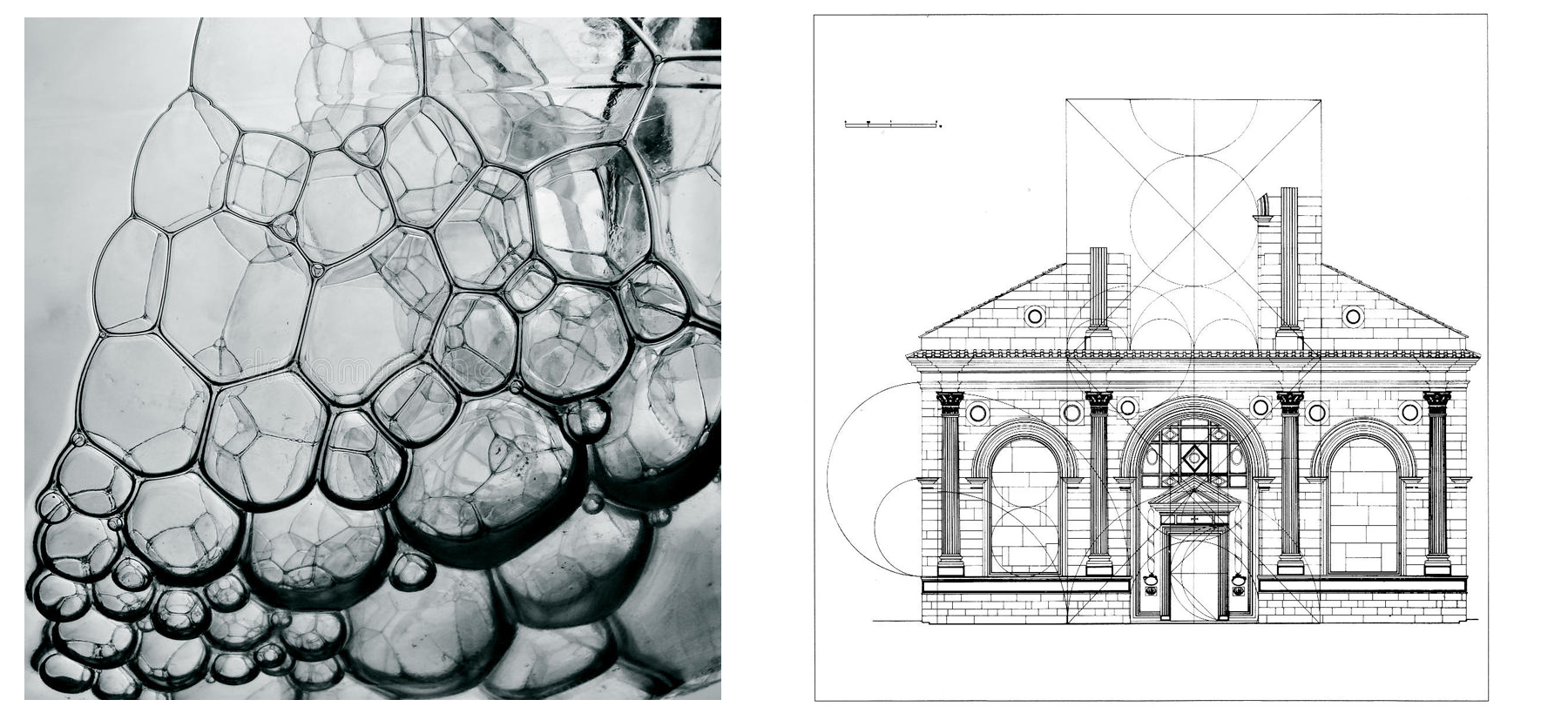
…….On Growth and Form is a book by mathematical biologist D'Arcy Wentworth Thompson. It covers topics including the effects of scale on the shape of animals and plants; the effects of surface tension in shaping soap films and similar structures such as cells; the logarithmic spiral as seen in mollusc shells and ruminant horns…..The work pioneered the use of mathematics in biology, and helped to defeat mystical ideas of vitalism; Thompson believed Darwinism to be an inadequate explanation for the origin of new species: he did not reject natural selection, but regarded it as secondary to physical influences on biological form……..
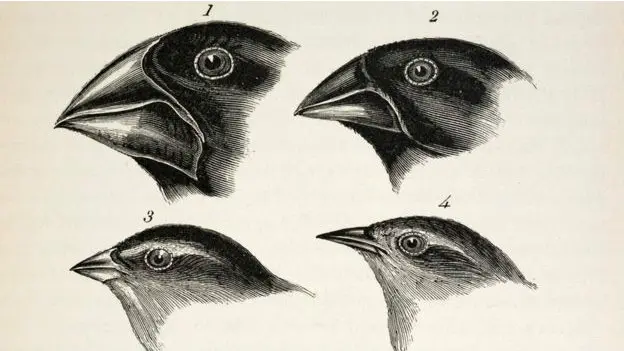
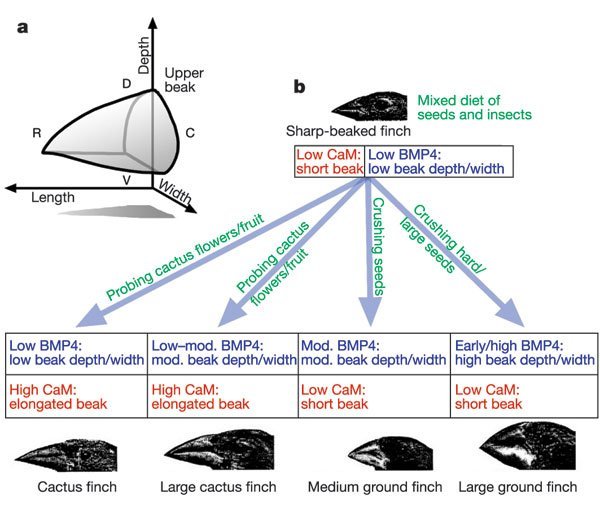
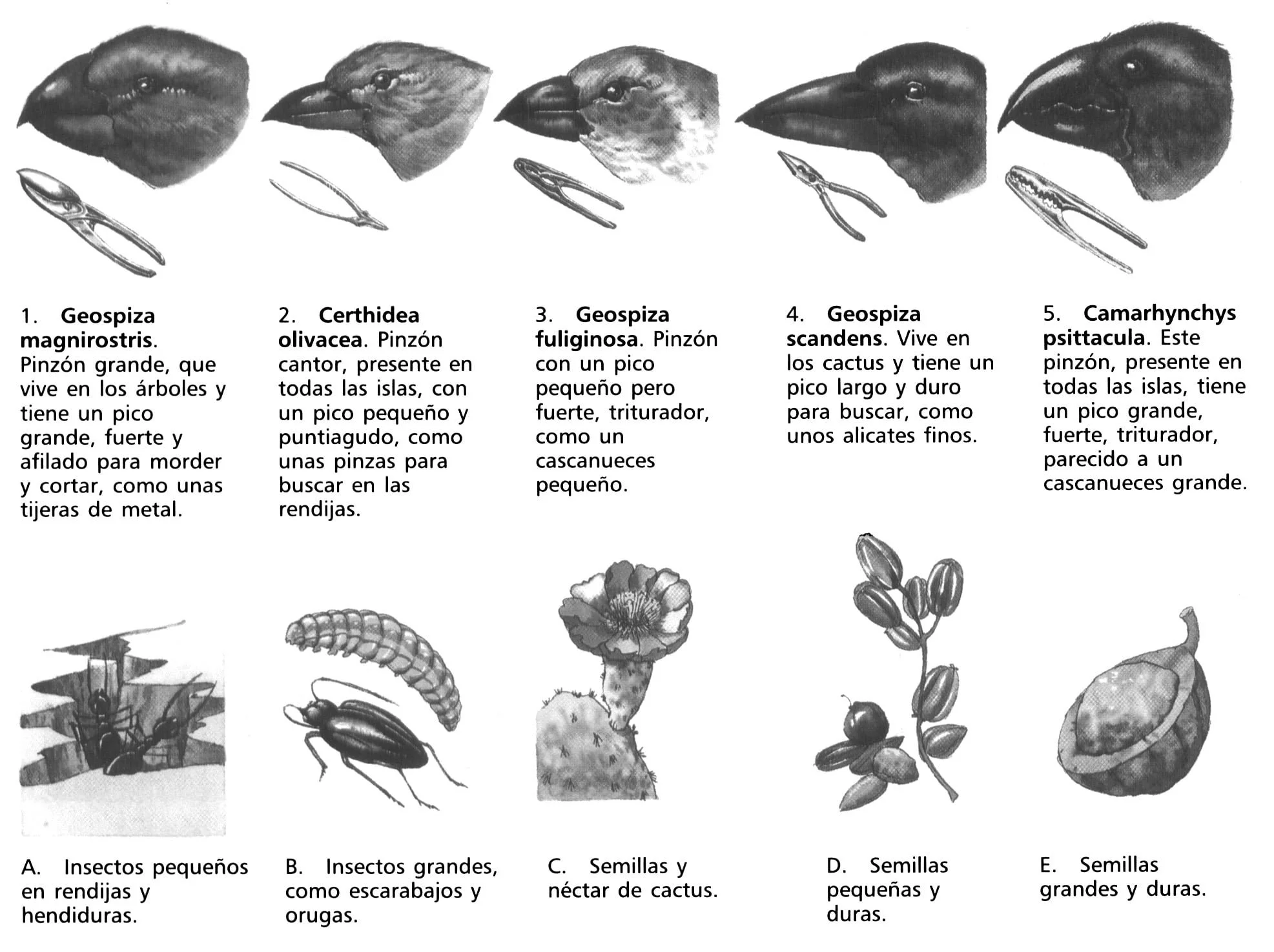
…………Charles Dawin, encontró en los picos de las distintas especies de pinzones que habitan las islas Galápagos una de las pruebas de la selección natural……..En el caso de los distintos tipos de pinzones, Darwin explica cómo cada especie de ave es el resultado de la selección natural en función de los diferentes ambientes que existen en cada isla. Resulta muy interesante observar que el ambiente al que se adapta cada especie está constituido no sólo por las condiciones físicas, sino, sobre todo, por el resto de especies que habitan un territorio. Con ello se pone de manifiesto la interdependencia que exsite entre todos los seres vivos…….
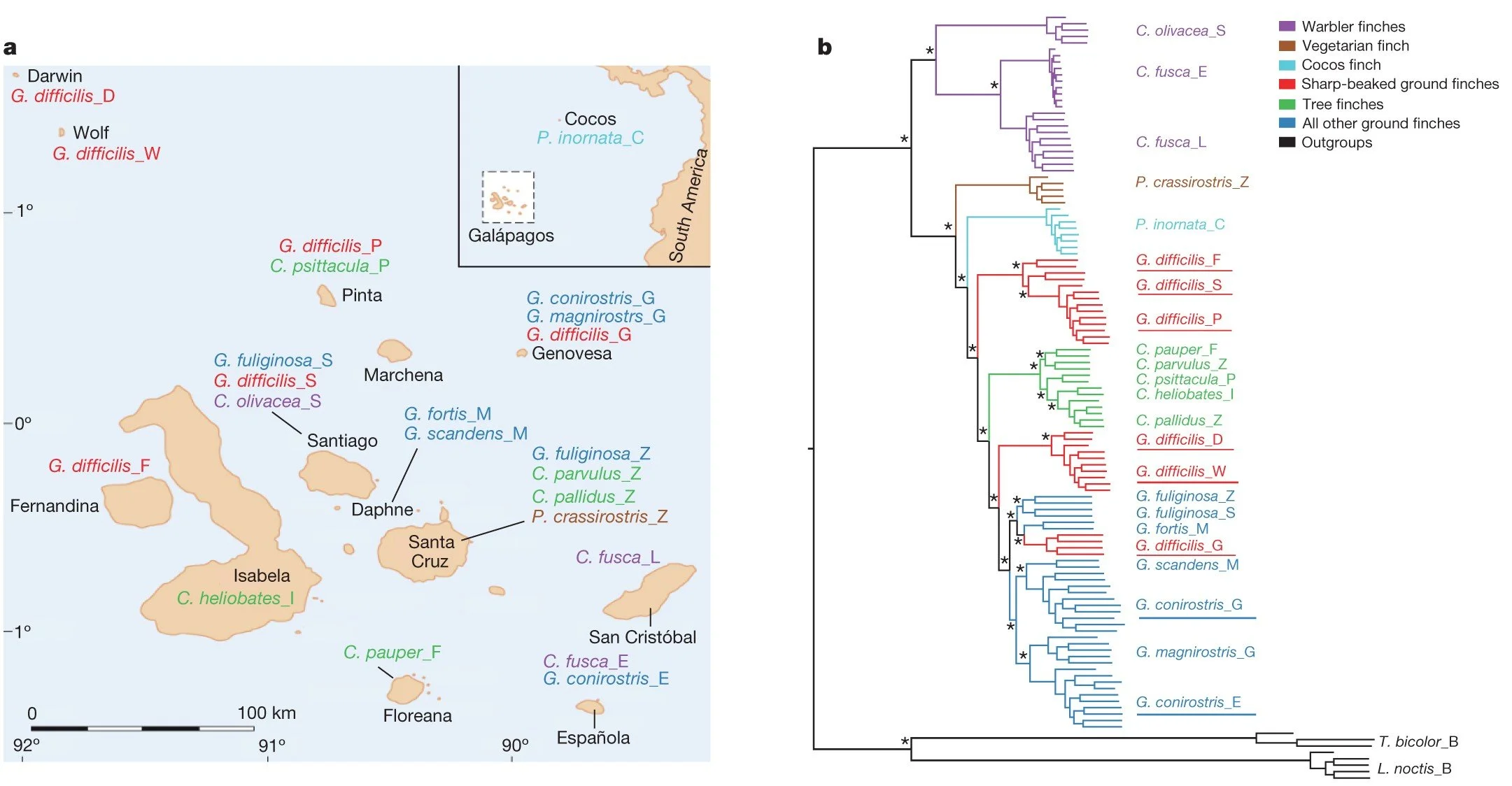
………Los pinzones de Darwin son un ejemplo de una rápida especiación por aislamiento geográfico a partir de pinzones de América continental cuyos descendientes ocuparon diferentes nichos ecológicos en diversas Islas de Los Galápagos. La forma de los picos de cada especie refleja distintos hábitos alimenticios y reduce la competencia entre ellas……….
……..El término «pinzón de Darwin» aparece por primera vez en 1936 y después es popularizado rápidamente con los trabajos de David Lack que los estudia por primera vez con detalle. Posteriormente, desde 1973, Peter Grant y Rosemary Grant, profesores de ecología y biología evolutiva de la Universidad de Princeton, en Estados Unidos, realizaron estudios exhaustivos y detallados: analizando más de diecinueve mil ejemplares, de veinticinco generaciones, estos estudios han mostrado cómo las diferentes especies de pinzones habían ido cambiando en respuesta a los cambios ambientales, sugiriendo que para que estos cambios ocurran no se requieren períodos de tiempo tan extensos………..
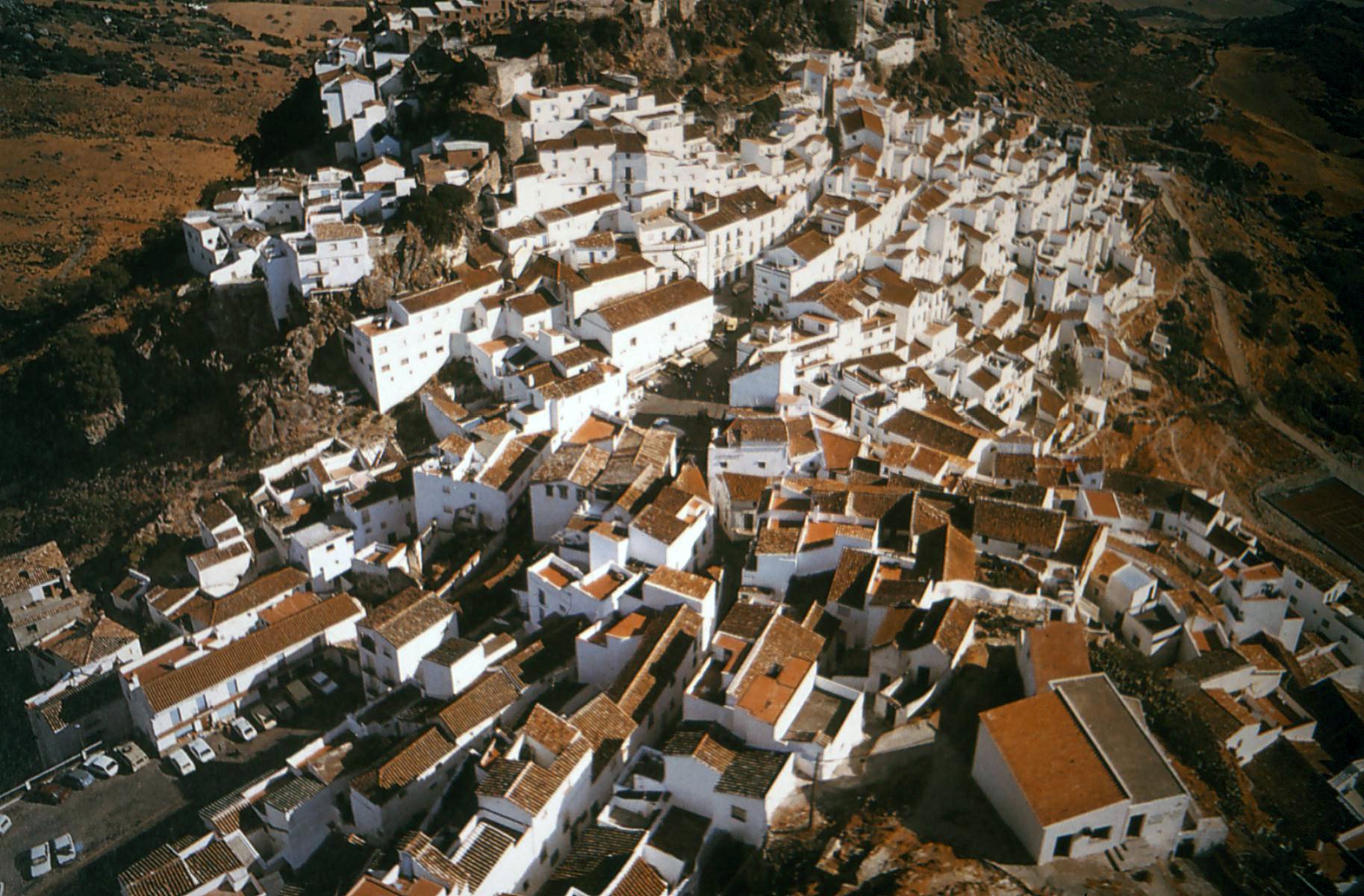
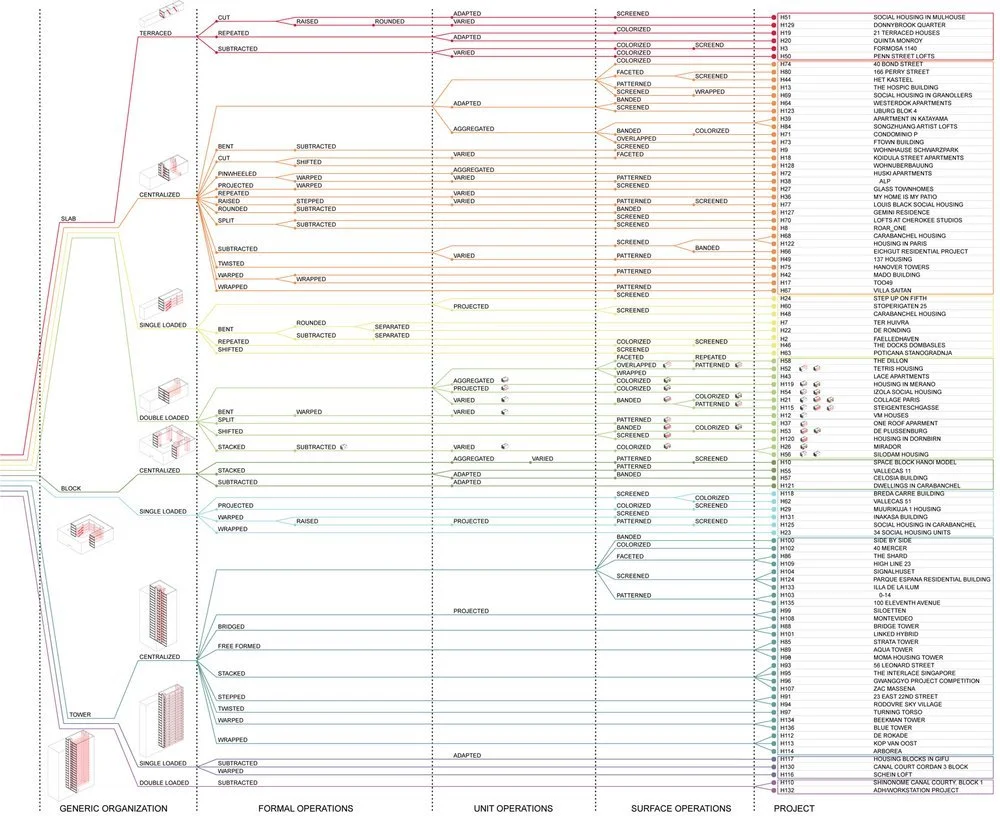
Disciplinary Alignments FOR Defining the Parti/Animating the Inert:
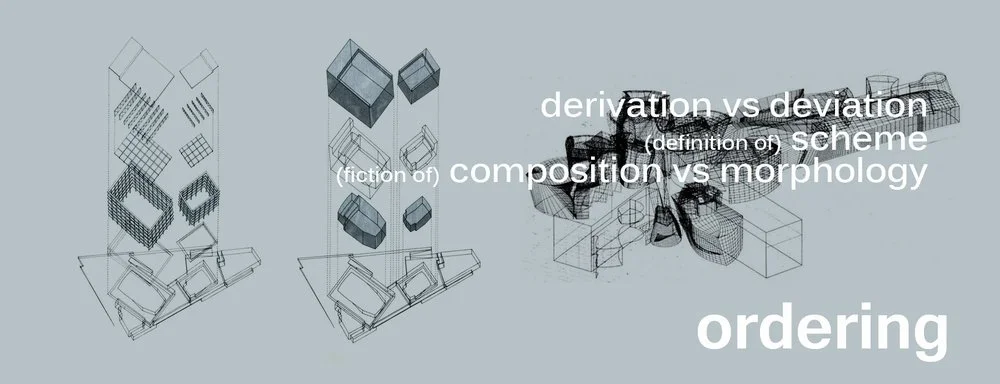
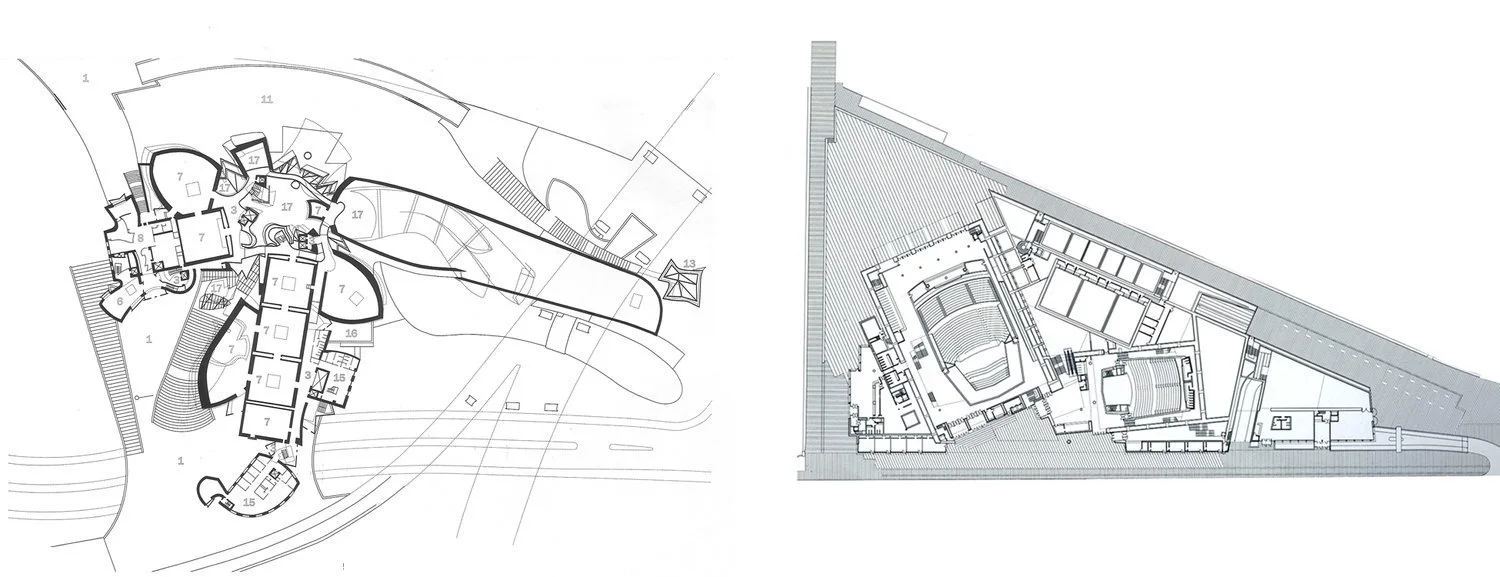
Composition (norms/art) vs. Morphology (laws/science). BOTH conceptual organizations 1- invent Diagrams of directional change, cohesion, and distortion; 2-PROPOSE Inside-Out Dictation MECHANISMS: How autonomous internal logic forces external programmatic changes AND 3-INTEND TO ReconcilE the nature of static materials with internal formal tension.
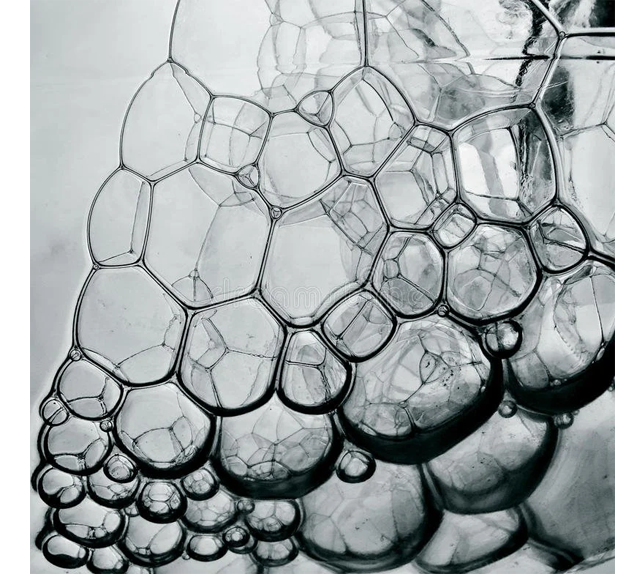
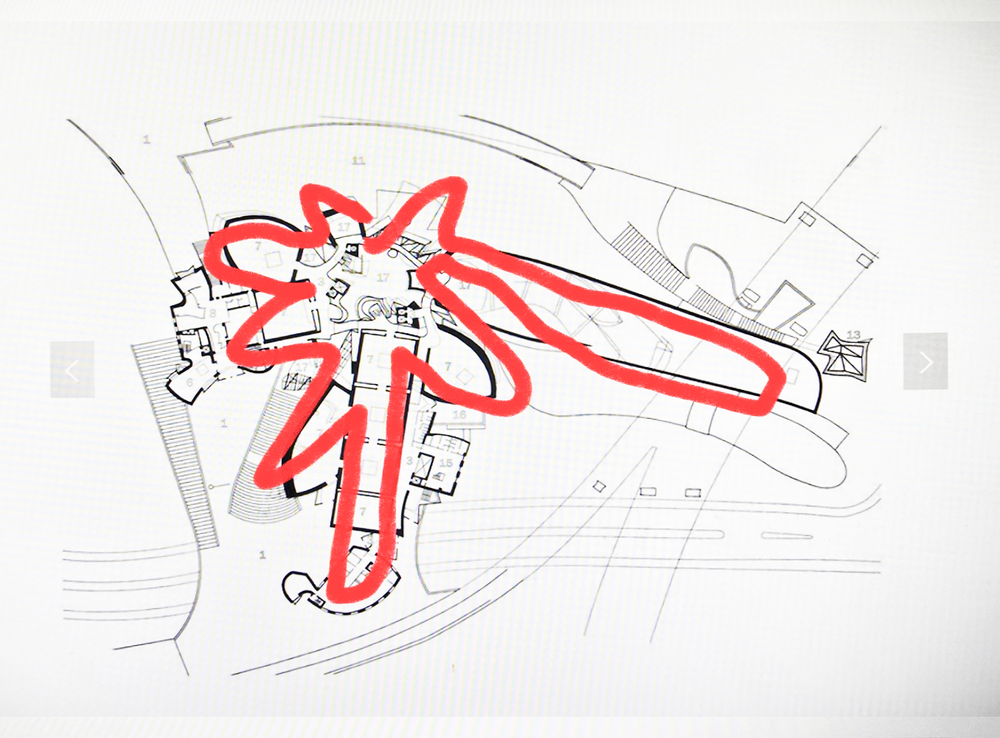
Morphology: architecture acts as a diagram of directional and changing forces, balancing internal and external pressures of addition, cohesion, and distortion
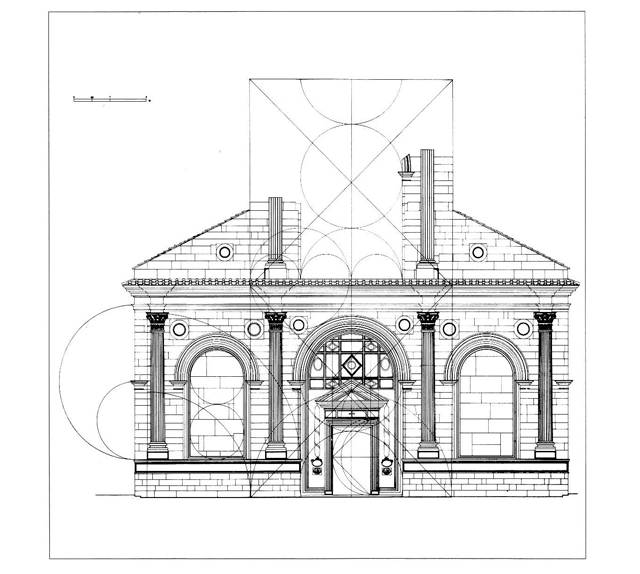
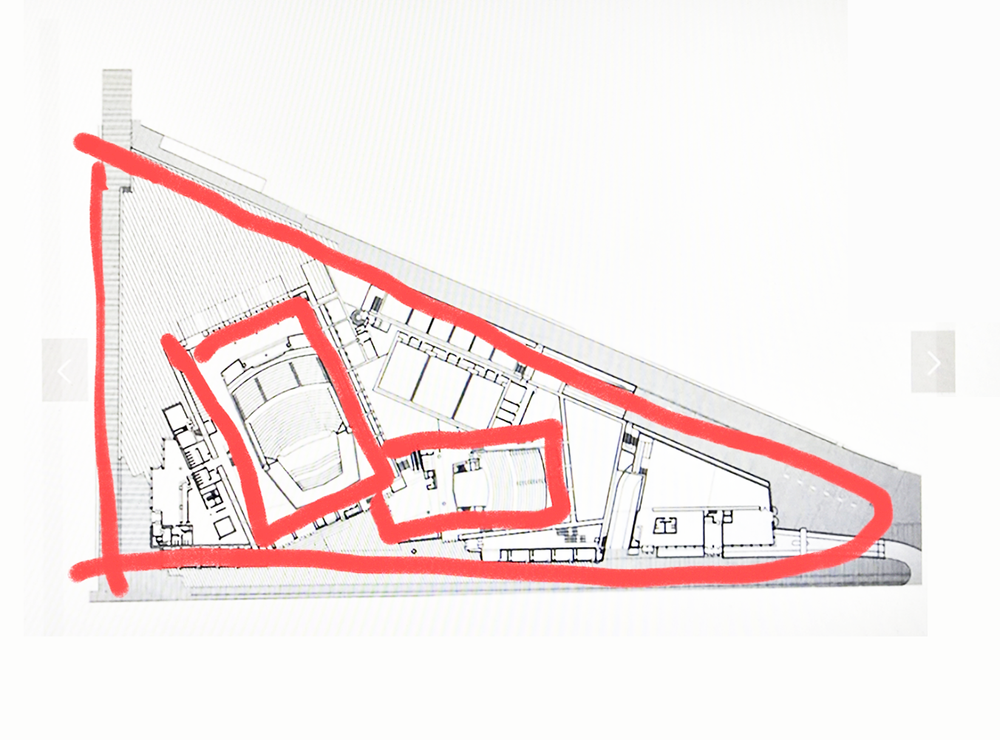
Composition: architecture is composed of parts that fulfill a program is both a definition of its nature and an enduring design system. Emerging in the late Renaissance and formalized as a method in neoclassical academic architecture.
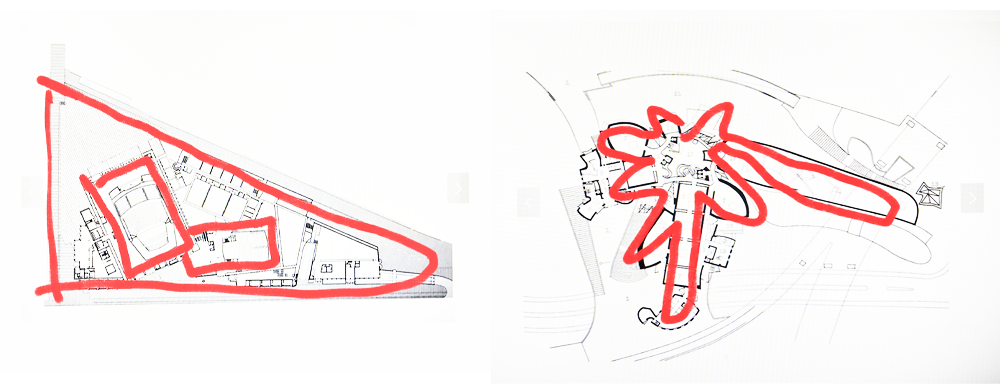
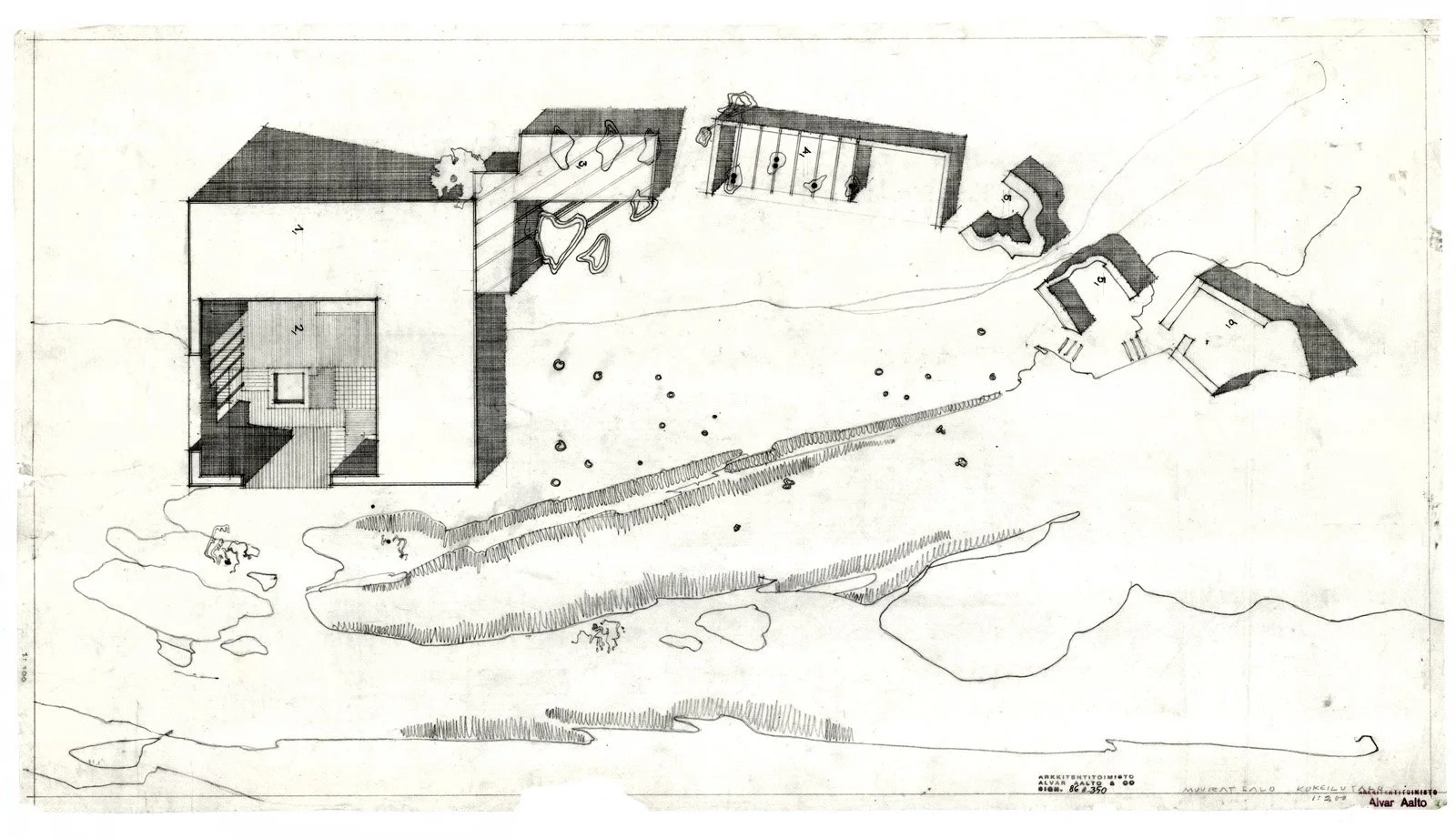
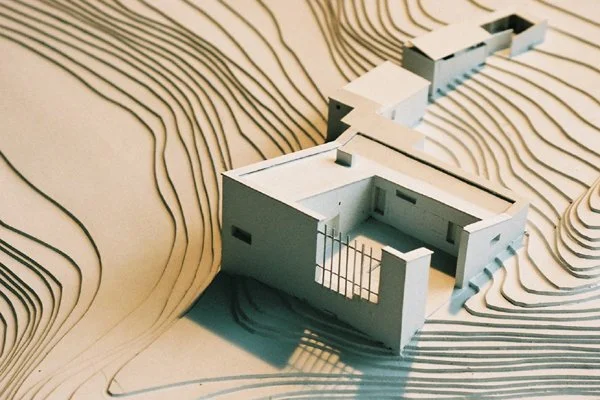
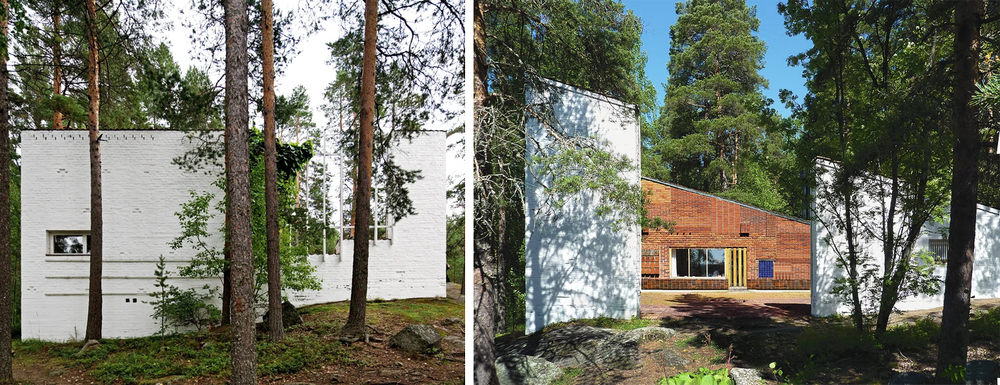
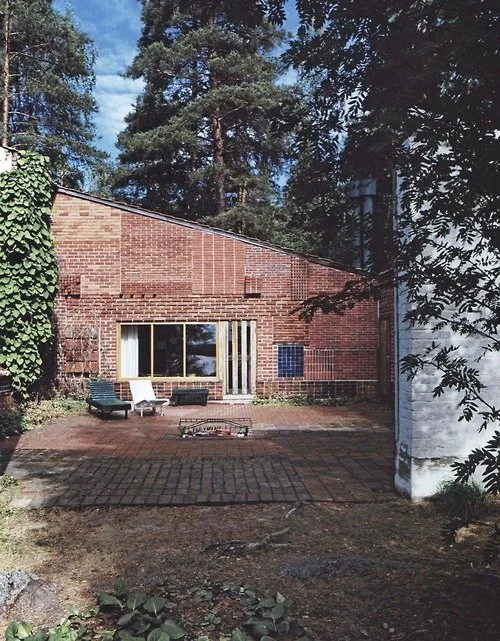
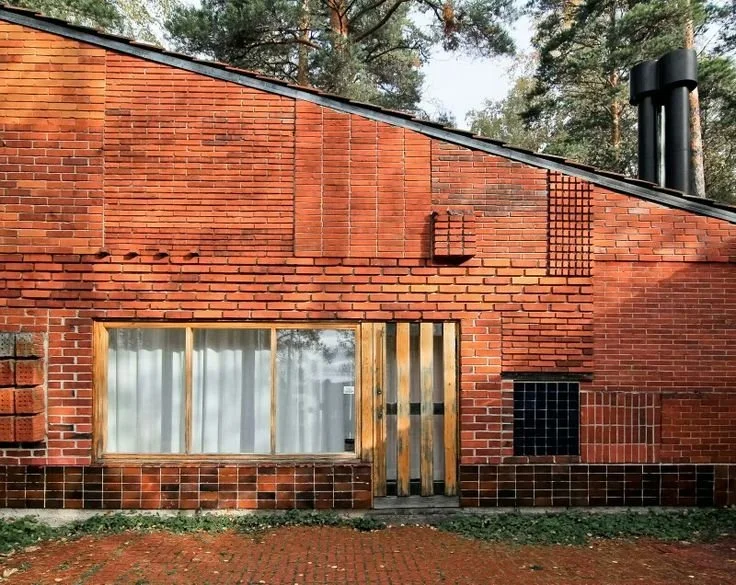
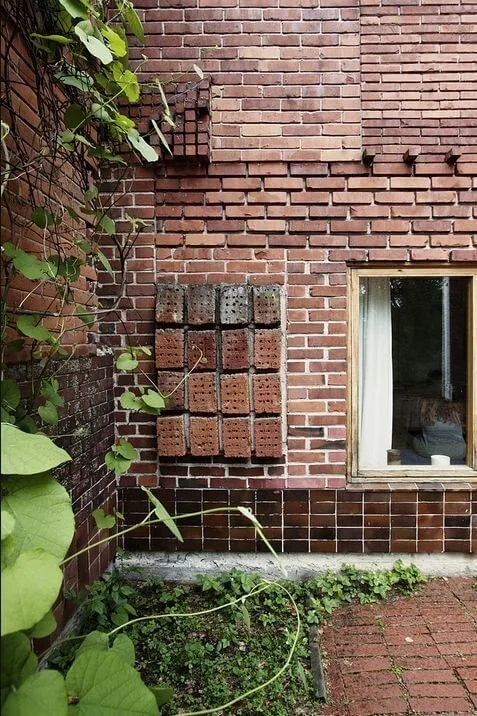
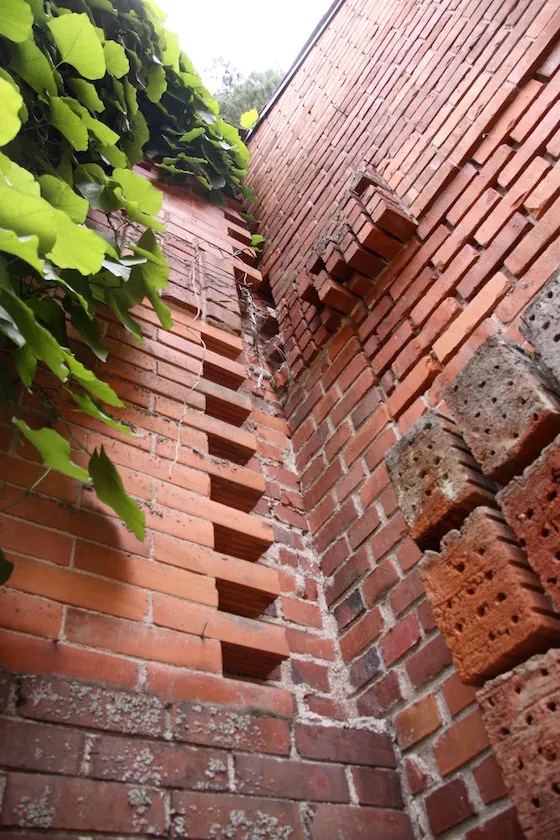
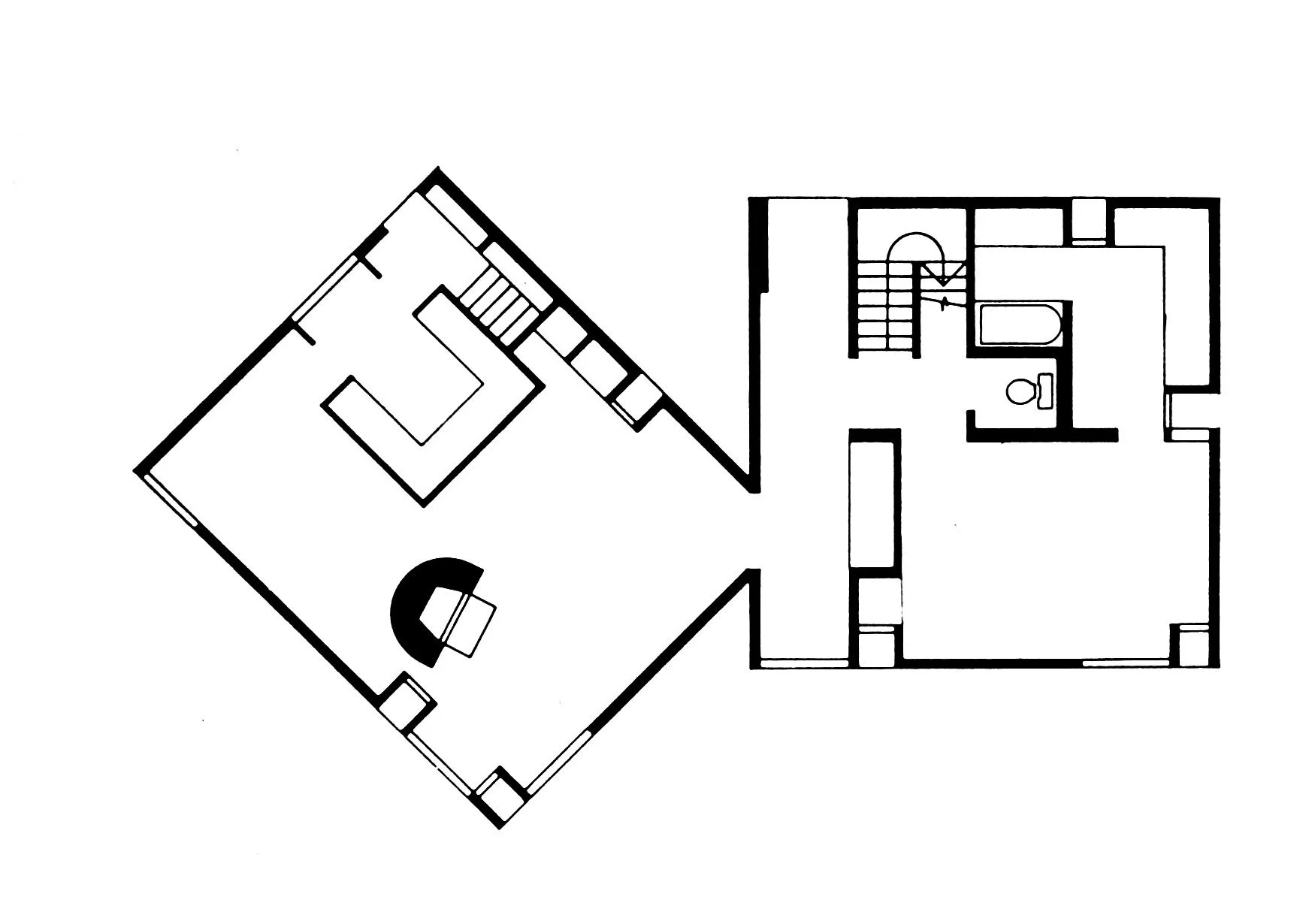
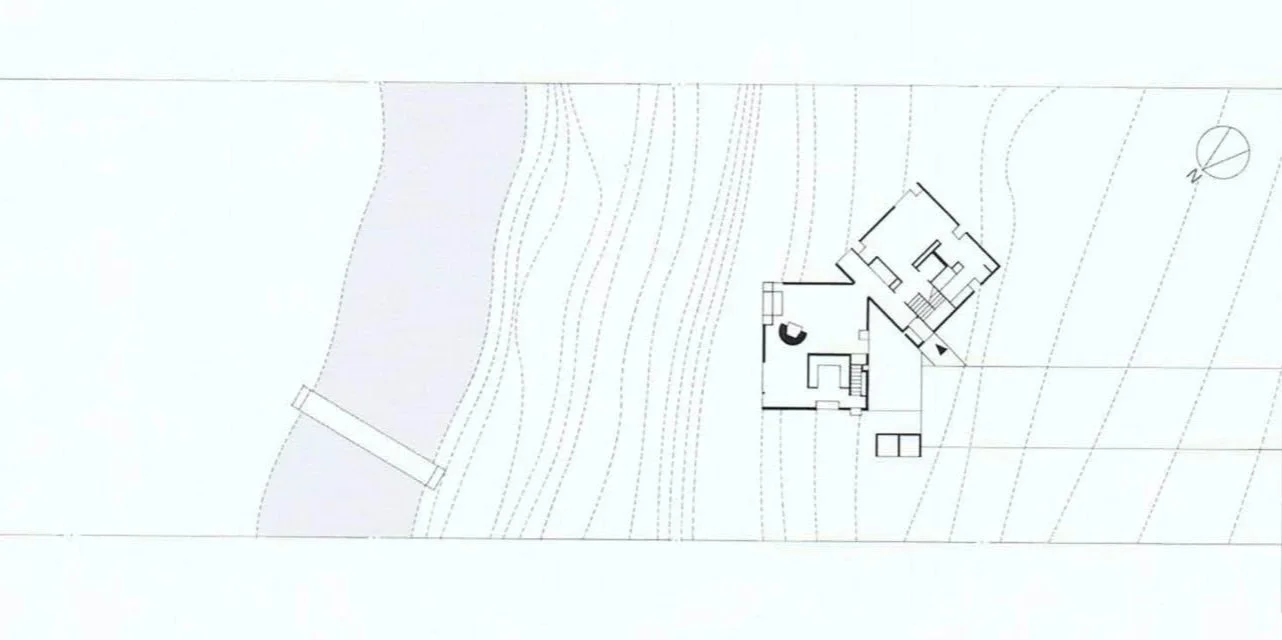
Muuratsalo Experimental House, Alvar Aalto
Alvar Aalto: The Union of Diverse Parts/ Formal Natures as Method and Principle. Aalto transitioned from classicism to modernism by embracing a compositional strategy that achieved unity of different shapes and scale against extreme volumetric variety through independent, formally diverse parts that at times shared color, rationalist geometry, and/or rigid urban alignments . Aalto utilized pieces of radically different formal natures within single buildings to emphasize functional hierarchies and plastic expression.
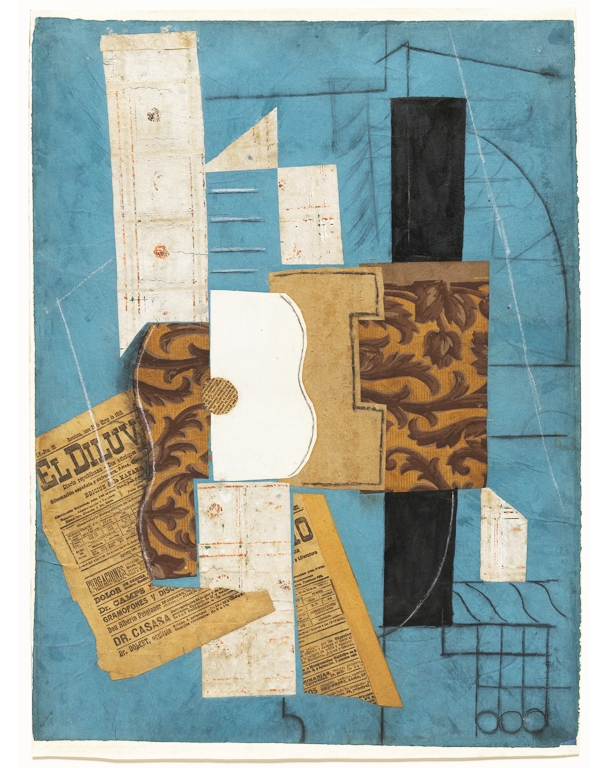
Pablo Picasso, Guitar, 1913
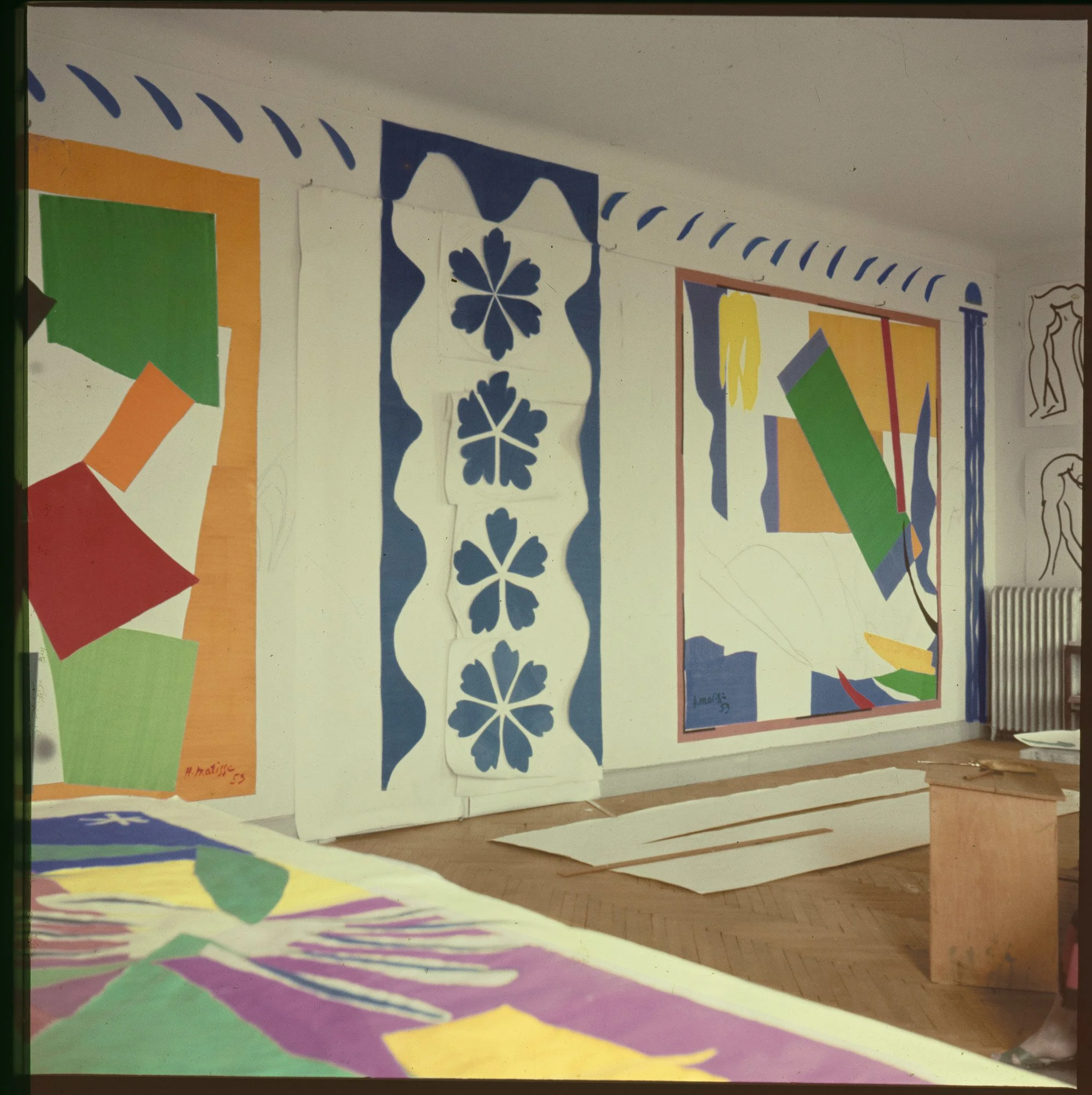
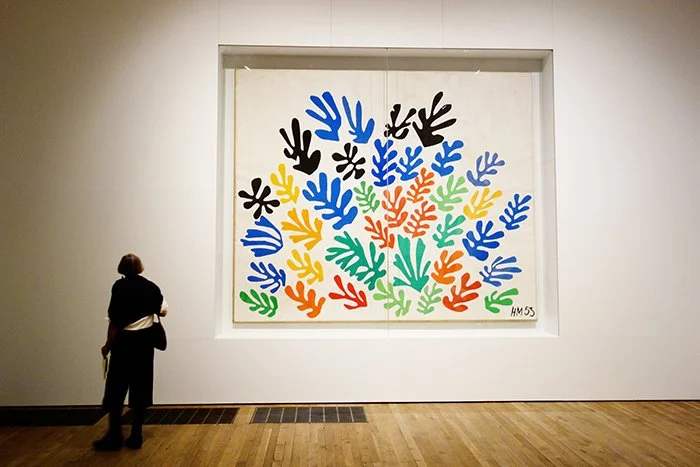
….a reference to the real nature of things, a step from illusion to reality (or its imitation?) was made……..overlapping fragmentary forms placed, juxtaposed, layered in conversation with one another……………While the emergence of collage is frequently placed in the twentieth century when it was a favored medium of modern artists, its earliest beginnings are tied to the invention of paper in China around 200 BCE. Subsequent forms occurred in twelfth-century Japan with illuminated manuscripts that combined calligraphic poetry with torn colored papers. In early modern Europe, collage was used to document and organize herbaria, plant specimens, and other systems of knowledge……….the work of artists as invention by gathering, or, collatio; a practice of picking, choosing, and placing predates the accepted derivation of collage from the French verb, coller (to glue), by several centuries……….Collage and assemblage are art techniques involving the creation of artworks by combining found or pre-fabricated elements to form a new composition………..Montage implies another kind of formulation of visual criteria. It is more closely aligned to the theory of images, it tends to the cinema, it tends to slicing and rearranging elements outside the picture plane……….Assemblage can mediate between collage and montage………..
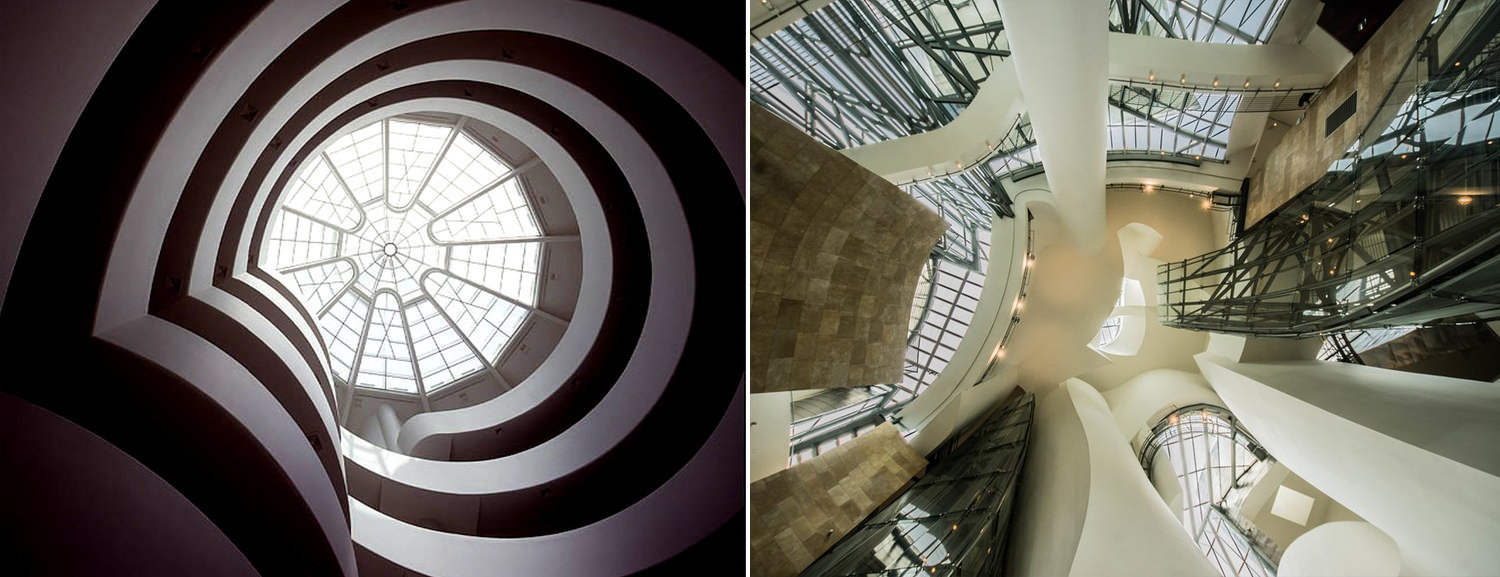
…..la cita y el fragmento……….
The Architecture of Quotation
The final lecture of this module investigates how architects determine the final iteration of a design when dealing with seemingly limitless variables. We will analyze the theory that equilibrium in design is best manifested through the systematic exposition of possible variations.
[The Mechanisms of Accumulation: Two Epistemological Models
Sir John Soane’s House (The Neoclassical Collection): An accumulation of fragments, ruins, and casts arranged by formal composition and aesthetic ensemble. It acts as a design-oriented universe of archetypes, rooting creation in typified classical ideals (Aristotelian reliance on existing data).
Aby Warburg’s Mnemosyne Atlas (The Modernist Network): A dynamic, unordered collection of photographs on black panels. It operates via free association, visual indices, and stimuli rather than text, representing the unpredictable vital impulse of modernity (Platonic leaps of intuition).
The Arsenal of Experience: Both models illustrate how un-cataloged accumulations of images form a repository of culture that designers unconsciously draw upon to generate new variations]
ASSEMBLAGE/STYLE + SIGNATURA
[Introduction: The Myth of the Original and the Necessity of Influence / The Foundation of Creation
Innovation is not spontaneous generation; it requires influence. True originality emerges from mastering the language of a domain through copying, followed by transformation and variation. All creators build with the same foundational materials. Simultaneous, disconnected discoveries highlight that innovation operates on a continuum.
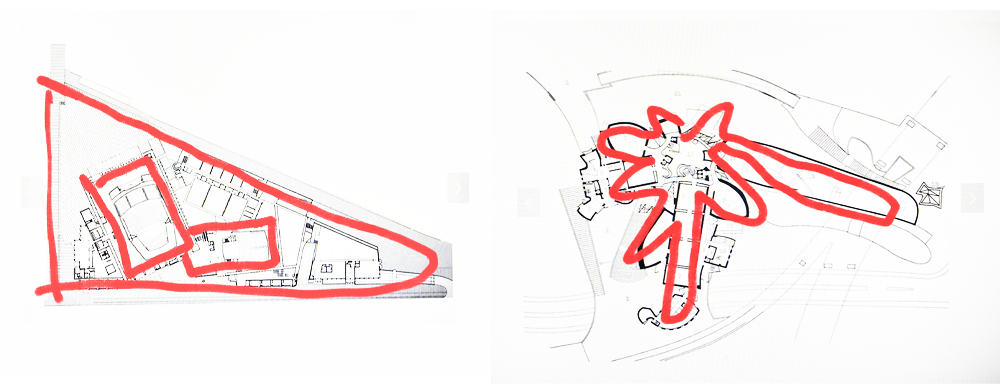
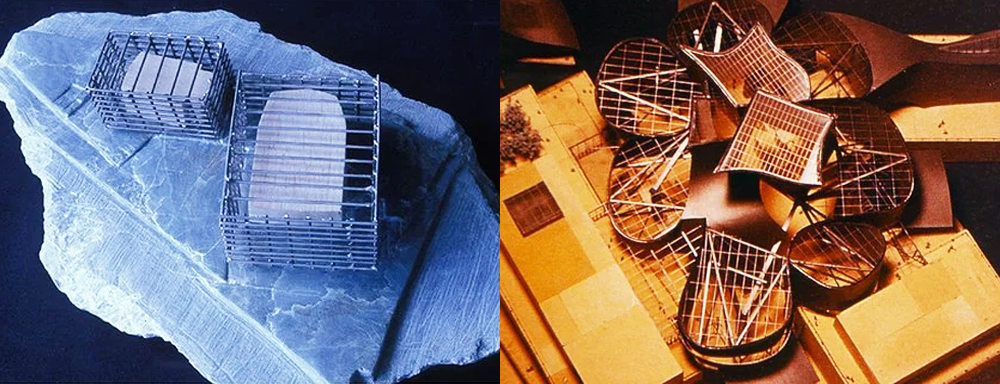
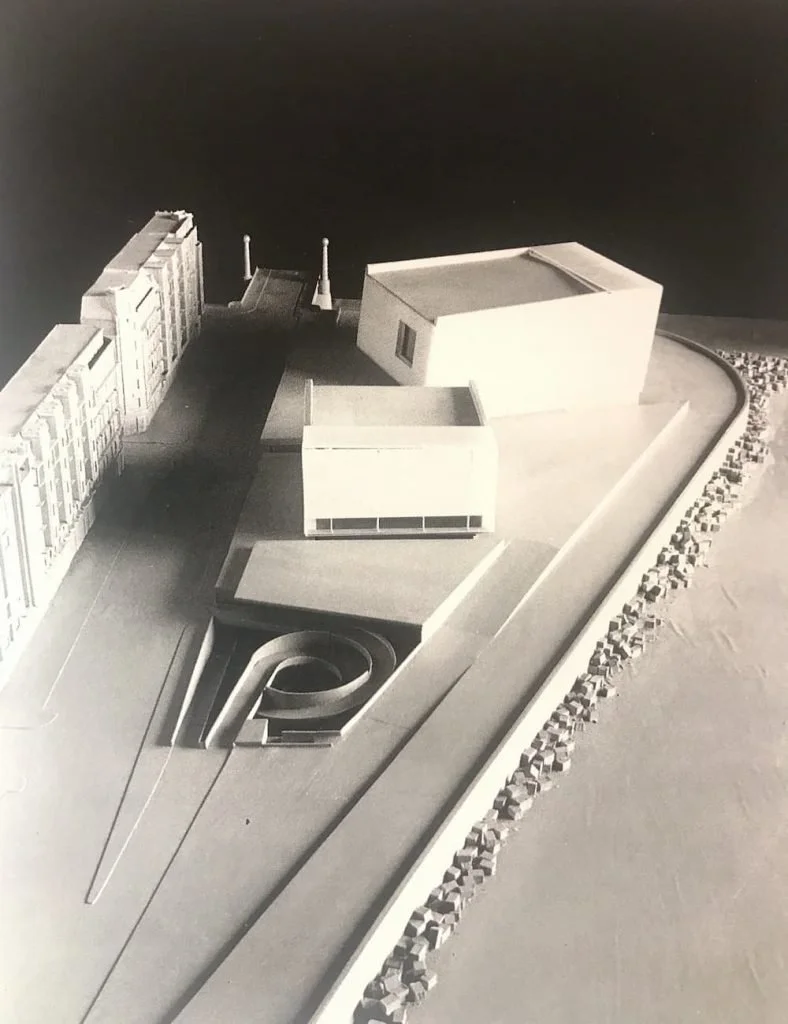
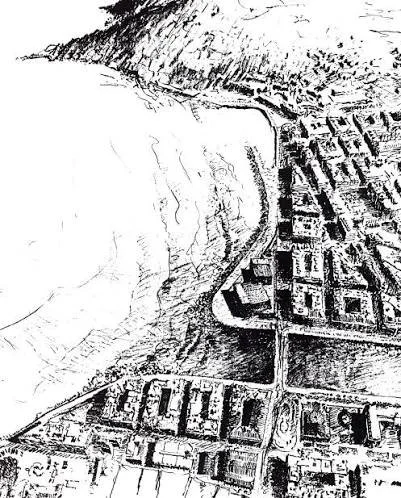
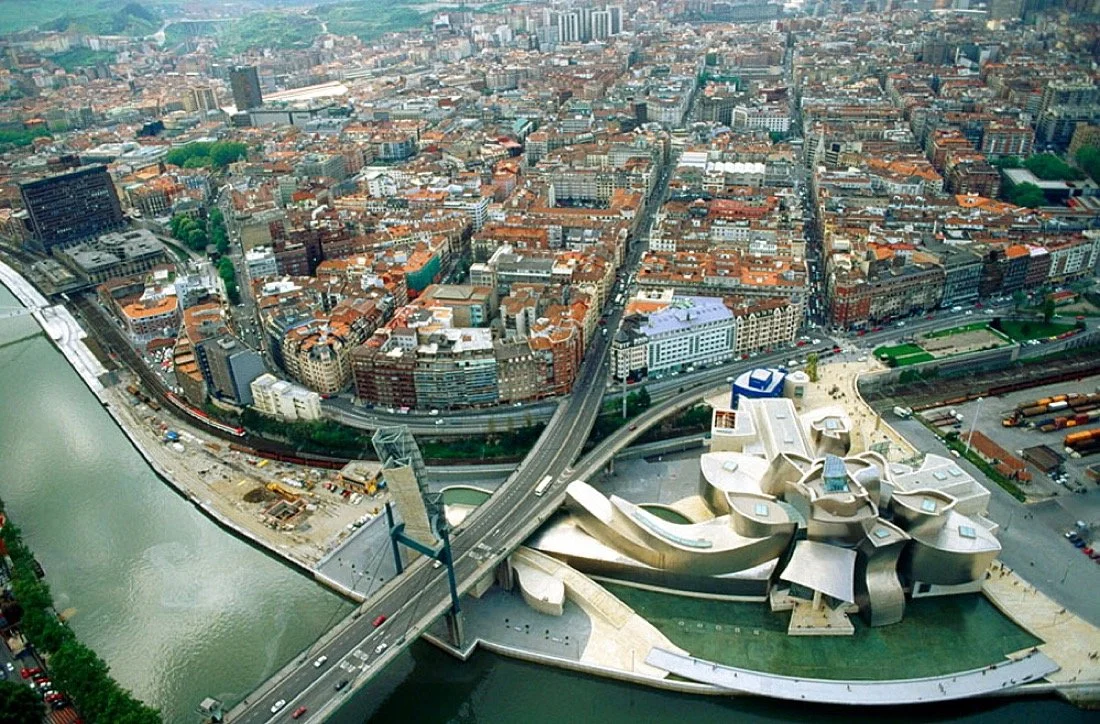
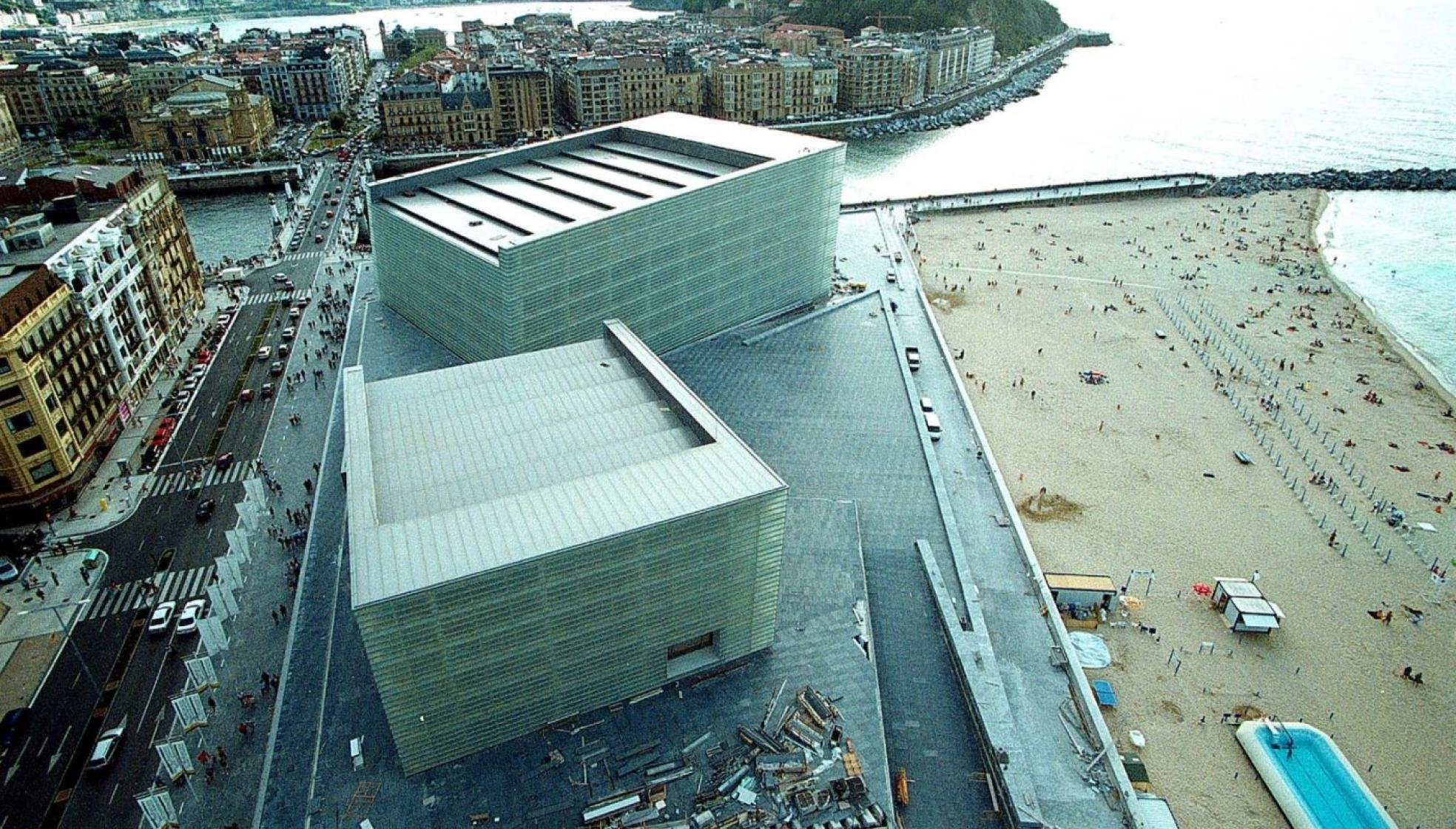
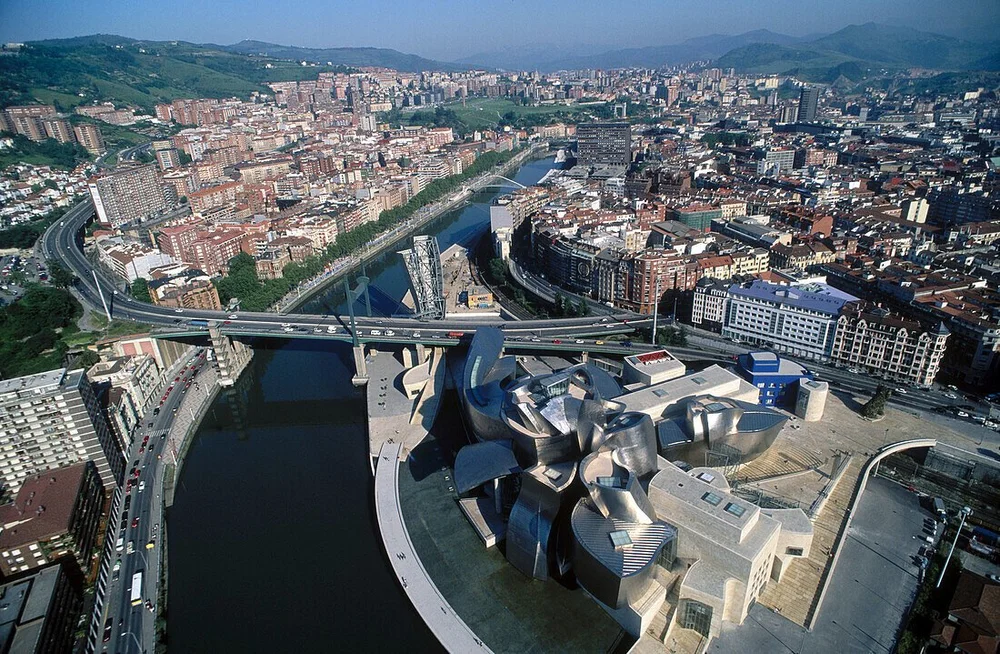
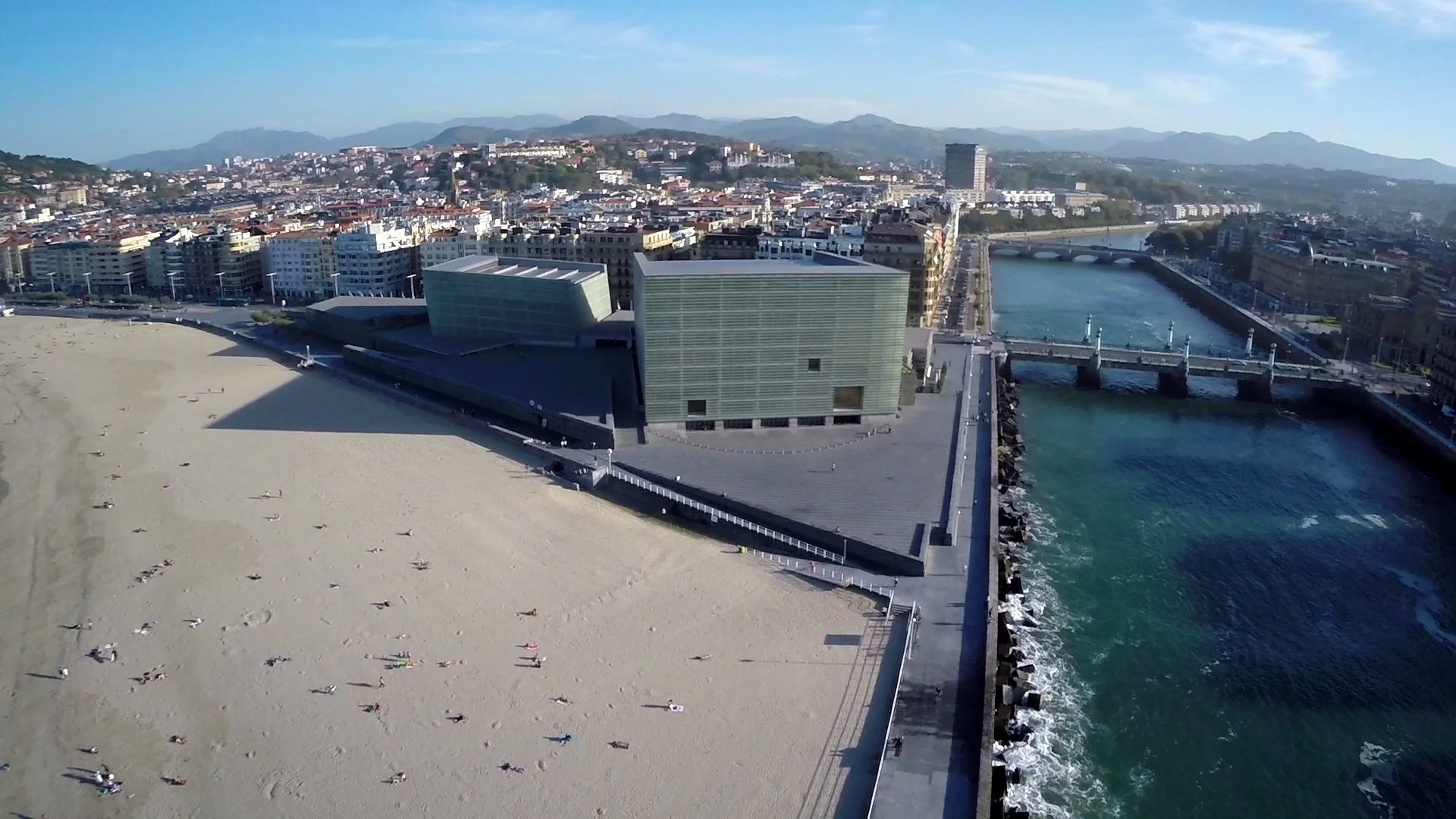
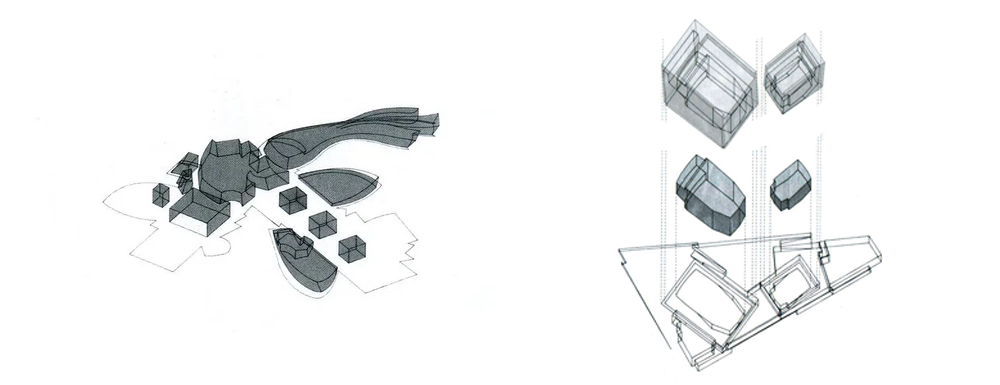
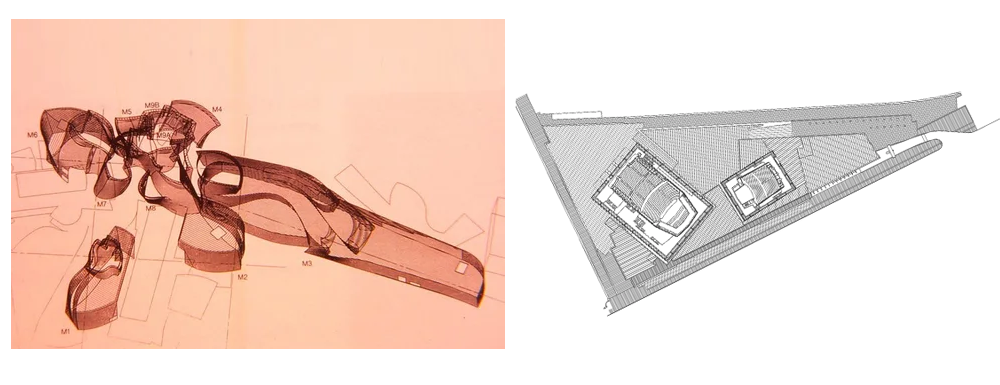
This lecture deconstructs the traditional notion of architectural genius by examining how both Moneo and Gehry establish BALANCED ARCHITECTURAL SYSTEMS through translation, reference, and the strategic use of quotation.
Rather than pure invention, COLLAGE is presented as a "signature"—an index that determines how a building is interpreted within a given set of rules. We will contrast Gehry's "aesthetics of fragmentation," which draws heavily from the toughness and inconsistencies of French Romanesque architecture and his collaborations with contemporary artists, against Moneo's "aesthetics of integration," which relies on post-baroque sensibilities and the cohesive mounting of historical types. Ultimately, this session explores how both architects use historical and artistic citations not as mere post-modern irony, but as tools to fuse the past and the future to render the present strange.
Aesthetics of Fragmentation: Gehry’s use of art-world collaborations and French Romanesque references.
Aesthetics of Integration: Moneo’s use of collage and dialogue with historical masters
Translation, Adaptation, and the Copy Core Question: If there are no purely original ideas, what constitutes originality? How do artists and designers navigate the spectrum from copy to deliberate variation?
[Invariance within Transformation: George Steiner’s definition of culture as a sequence of translations—paraphrase, pastiche, imitation, parody, and collage.
The Impossibility of the Pure Original: Jorge Luis Borges’ Pierre Menard, autor del Quijote. Menard recreates Cervantes' text word-for-word, yet the new text is entirely different because the historical context of the reader has changed. Every reading is a translation]
Marcottage and the Non Finito: The process of dismantling, reassembling, and joining sculptural studies (bozzetti) while leaving joints visible.
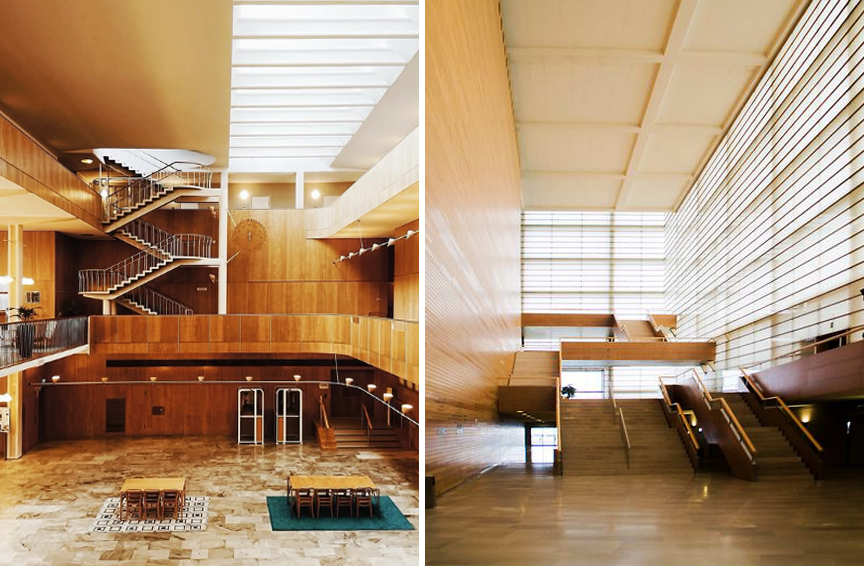
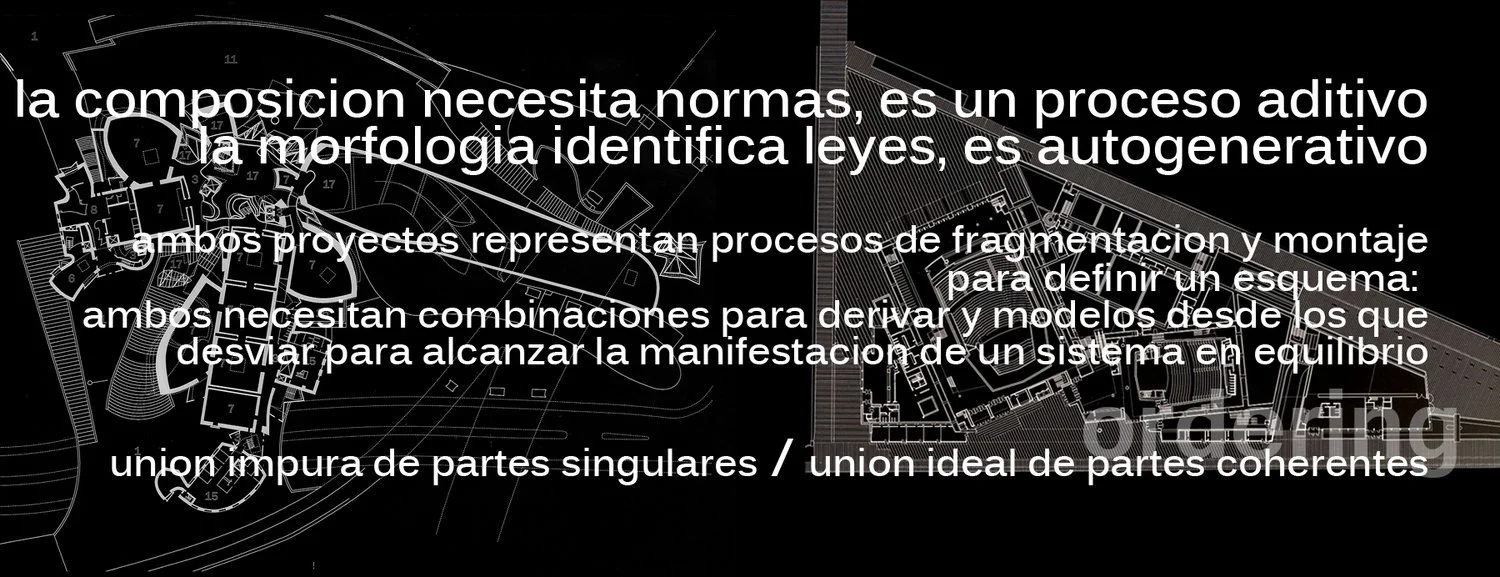
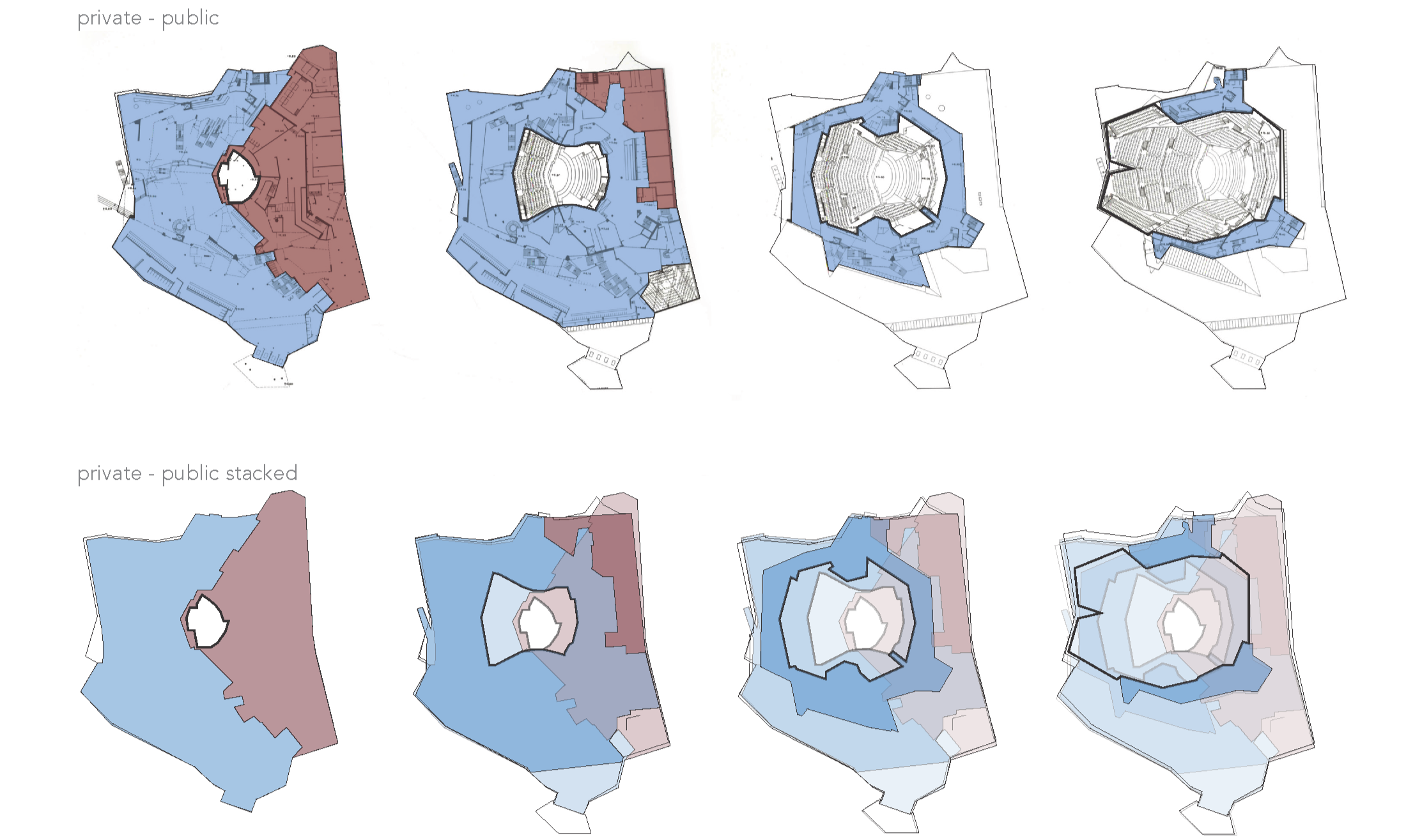
…………mapping how both Gehry's visceral morphology and Moneo's academic composition fundamentally strive to capture this perfect, tense stasis. Equilibrium, Variation, and Converging Manifestations: How differing methodologies (visceral vs. academic / rational vs organic) achieve comparable states of balance…………...

EL ORDEN FRAGIL DE LA ARQUITECTURA. ………De una manera pareja podríamos decir que la voluntad de orden en la arquitectura se basa en lo relacional, incorpora al sujeto en el centro de sus reflexiones y surge de las múltiples interacciones que desarrolla con el entorno. El orden así se vuelve infinitamente más complejo, se sofistica enormemente al tener en cuenta las numerosas facetas a las que la arquitectura debe dar respuesta. En el proceso genealógico de lo arquitectónico ya no solamente hay que dar una respuesta funcional sino también simbólica, intelectual, estética, emocional……….
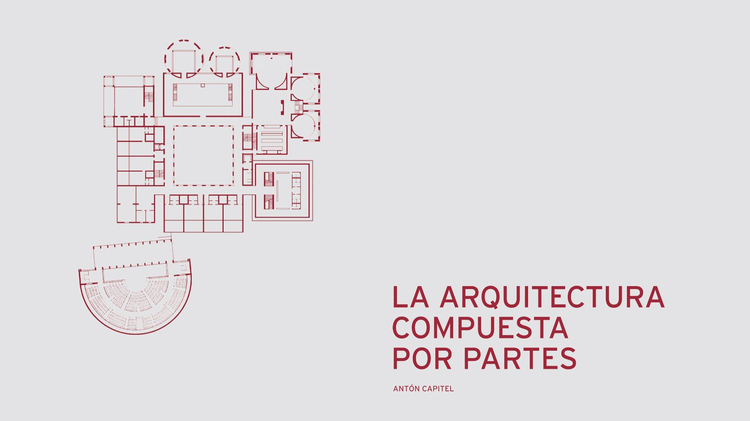
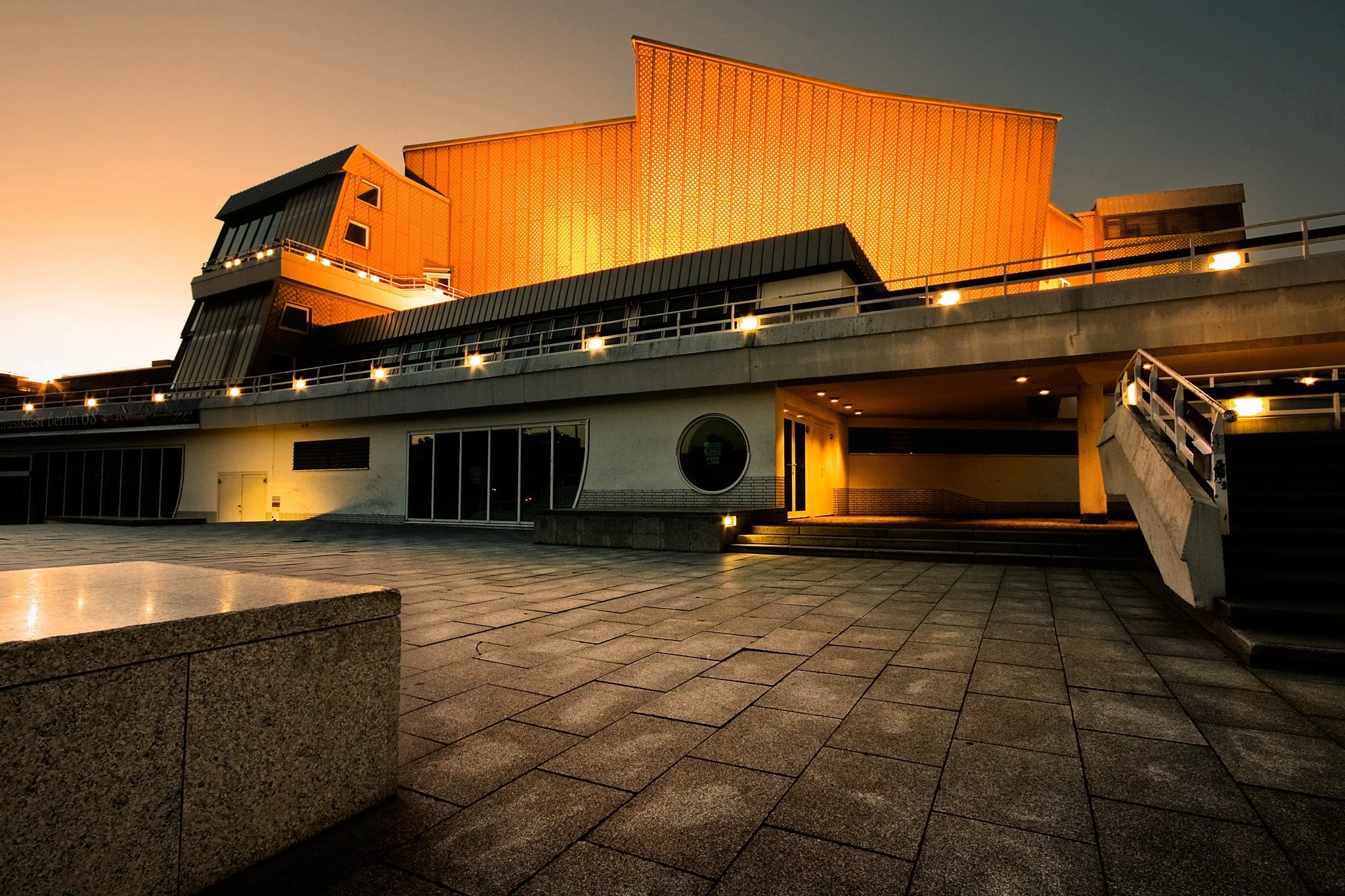
ARQUITECTURA COMPUESTA POR PARTES………Este libro continúa el camino iniciado por La arquitectura del patio, y en este caso plantea el estudio de otro sistema universal de proyectar. Que la arquitectura está compuesta por partes, aquellas que surgen para cumplir el programa que da sentido a su existencia, es tanto una definición de su propia naturaleza como la descripción de un sistema de proyectar que recorre la historia de la arquitectura. Iniciándose como tal en el renacimiento tardío, adquirió un estatuto de verdadero método con la arquitectura neoclásica y académica, y participó en muy buena medida en la revolución moderna y en su desarrollo………….El libro examina este sistema desde su capacidad para sostener y conducir arquitecturas muy diversas, analizando las características, principios y medios de composición desempeñados por los diferentes autores, con el fin de poder utilizarlo y servirse de él como soporte de nuevos contenidos. El trayecto de esta aventura supone recorrer la historia de la arquitectura desde Palladio a Kahn, pasando por Le Corbusier, Alvar Aalto y Hans Scharoun…………….
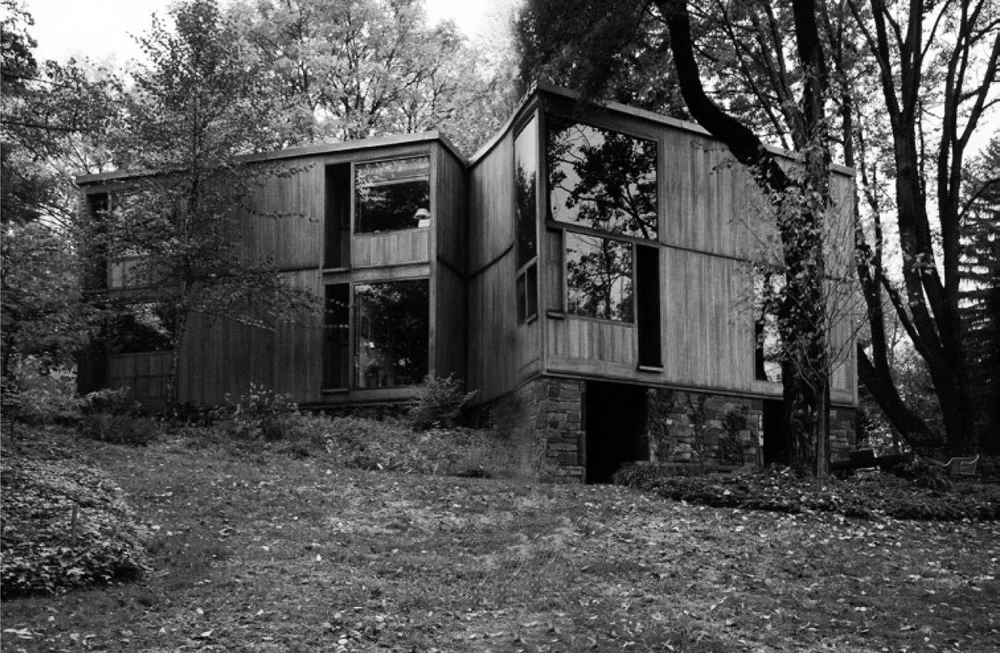
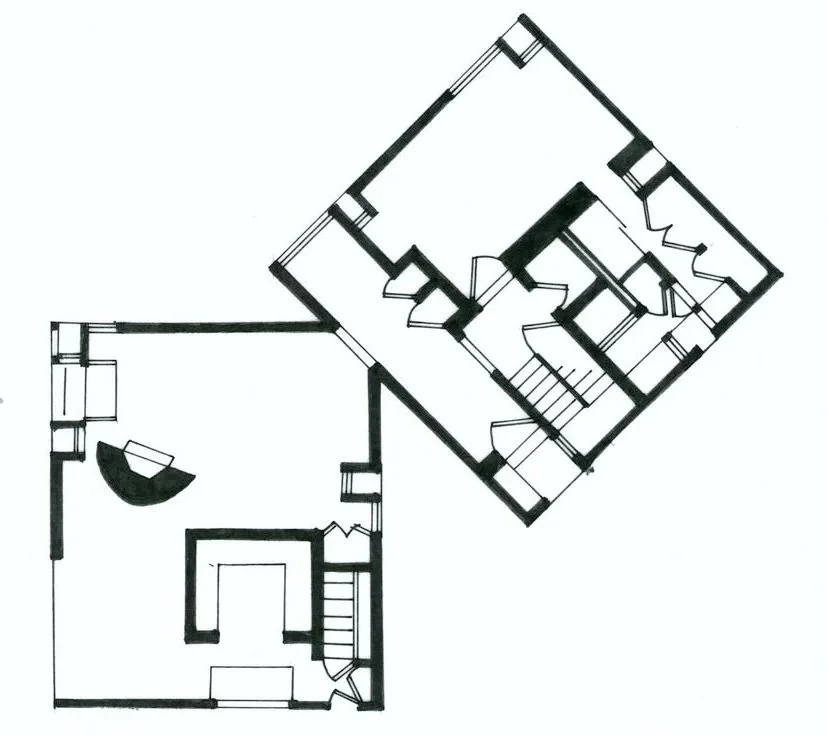

THE WHOLE IS THE UNTRUE: ON THE NECESSITY OF THE FRAGMENT. Almost everything we know about the past comes from physical and narrative fragments. Yet a fragment is not simply the static part of a once-whole thing. It is itself something in motion over time, manifesting successively or variously as object, evidence, concept, and condition. The pieces gathered in this volume—written by scholars of art, art history, archaeology, literature, philosophy, psychology, numismatics, and film—investigate the significance of the fragment, whether received or created. Each essay offers a meditation on a distinctive moment in the history of the fragment, ranging from spolia in late antique architecture to the practice of collage in the modern period.
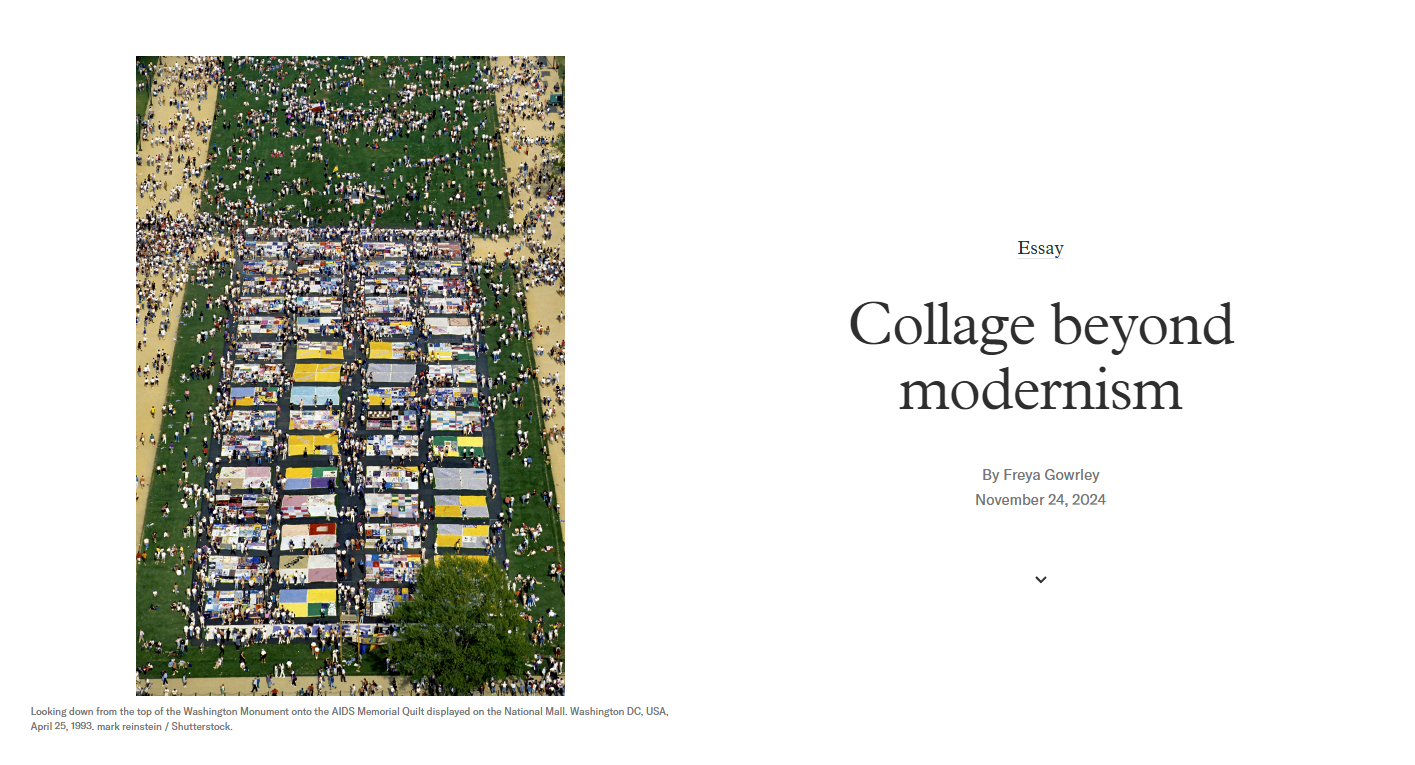
FRAGMENTARY FORMS: A NEW HISTORY OF COLLAGE asks what happens when we try and trace a history of collage back across time and space. Moving beyond narratives of modernist invention, the book is concerned with moments of invention, exchange and expression on both intimate and global scales. Some of the larger histories told on its pages are those of technological revolution—the advent of mass production, for example, which transformed our engagements with, and understandings of, the material world.