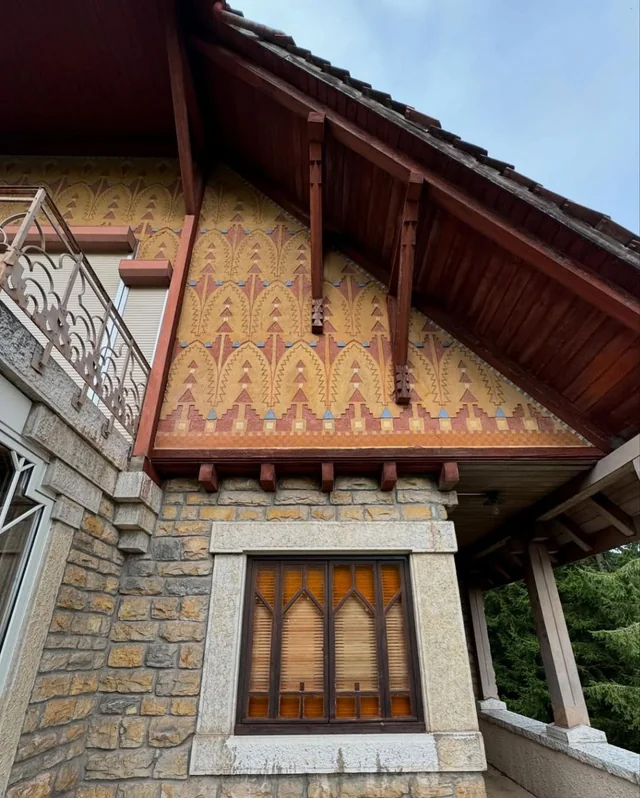
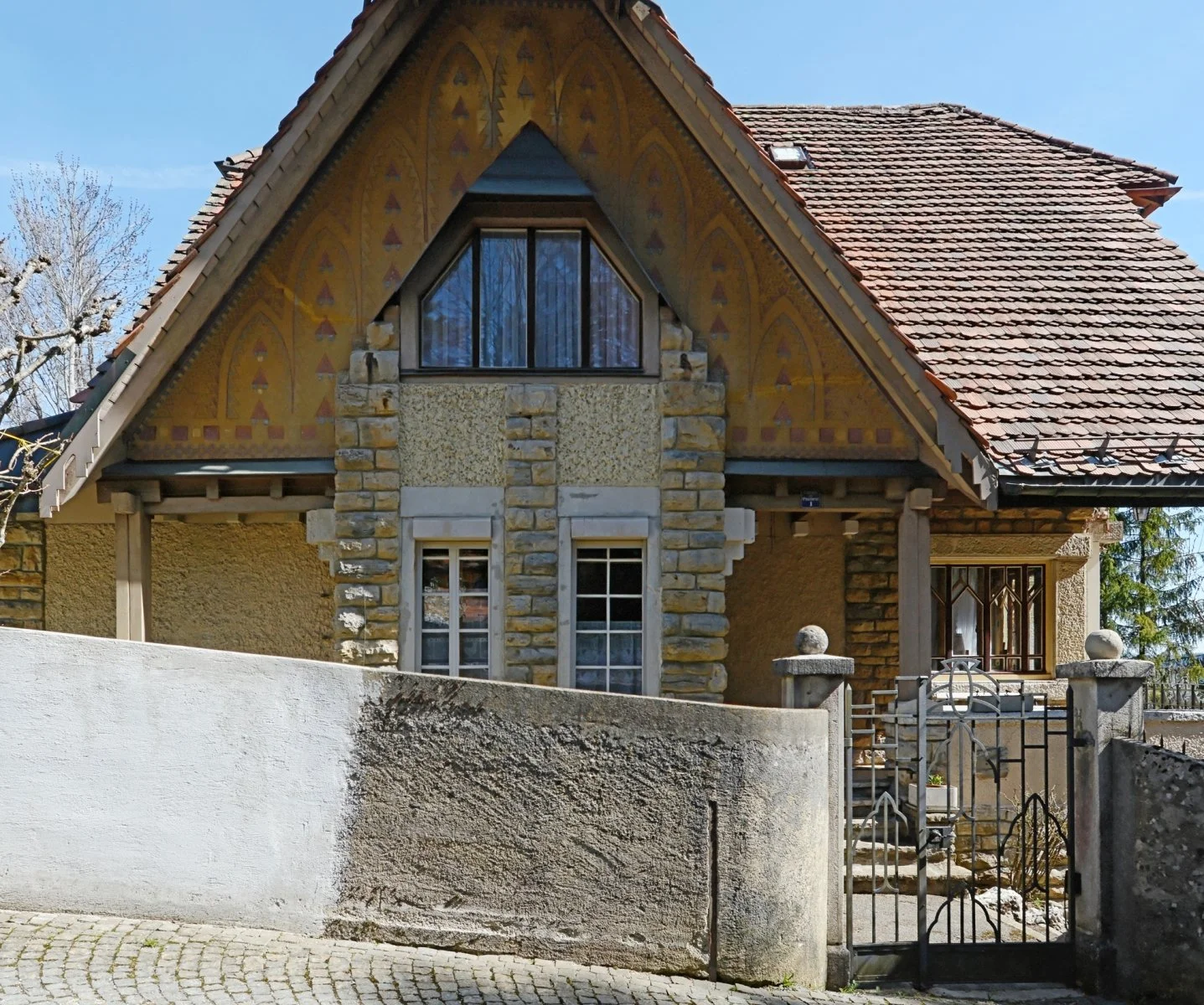
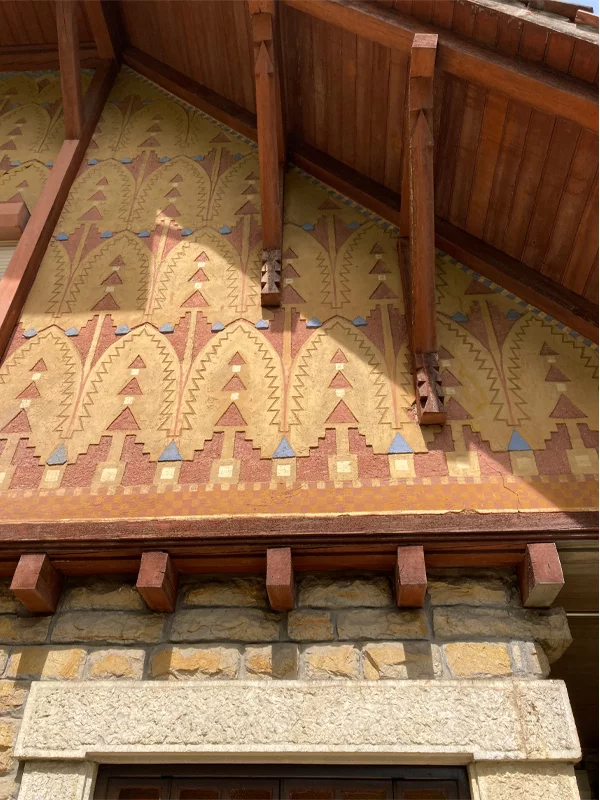
Villa Fallet, La Chaux-de-Fonds, Switzerland, 1906-1907
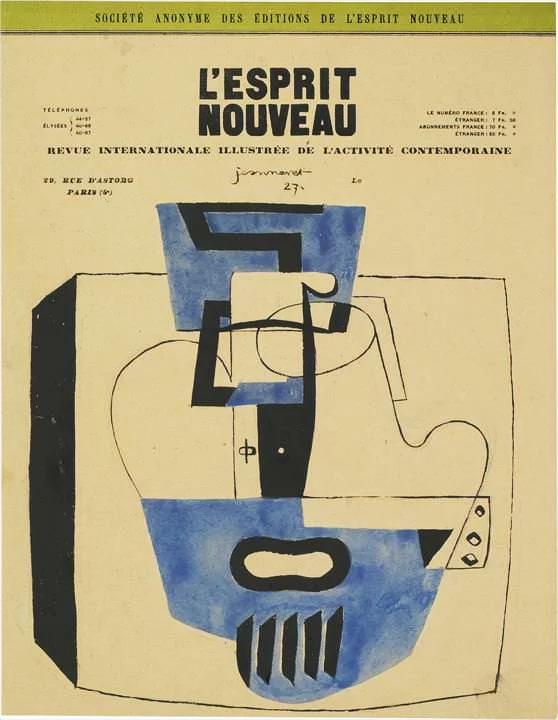
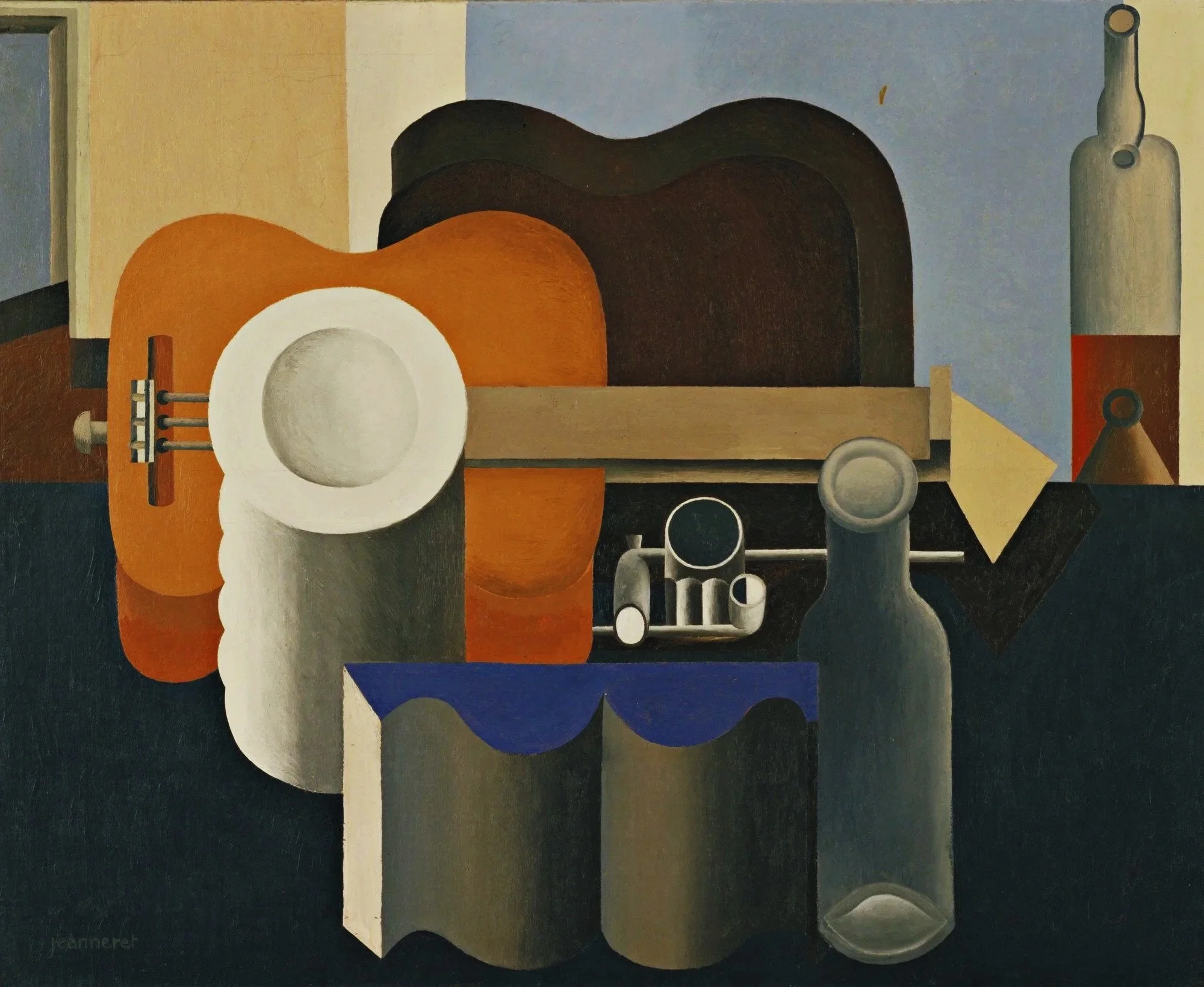
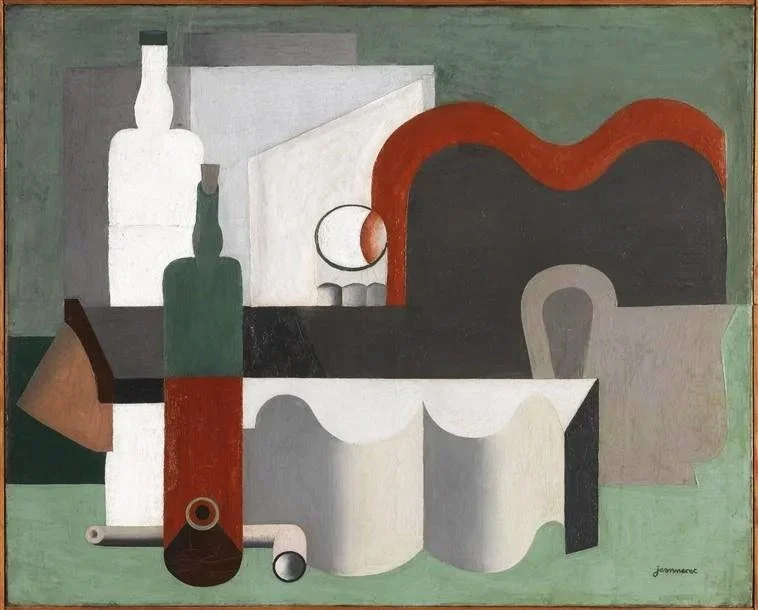
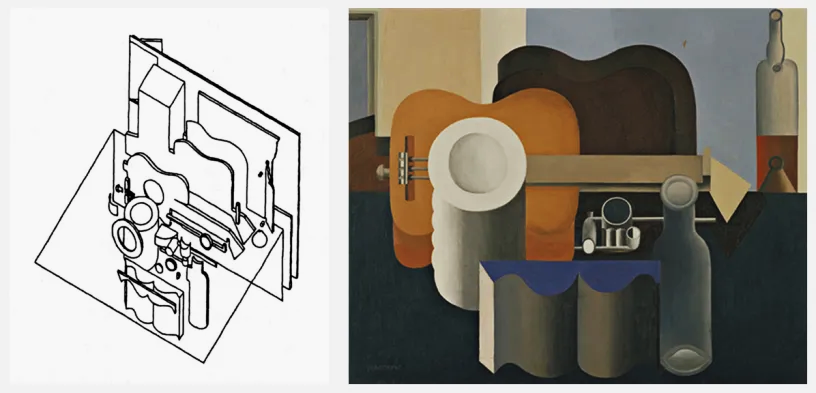
Still Life. 1920
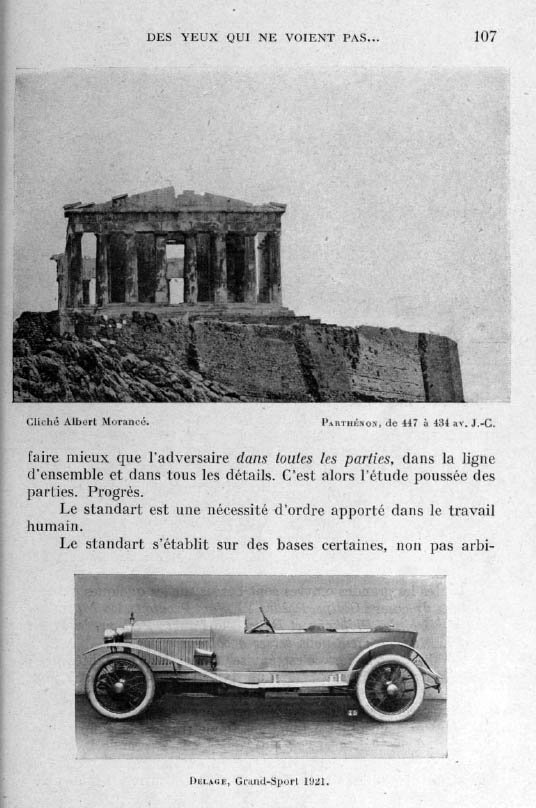
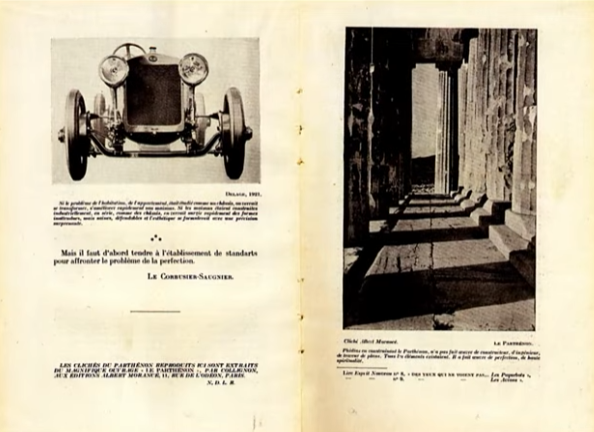
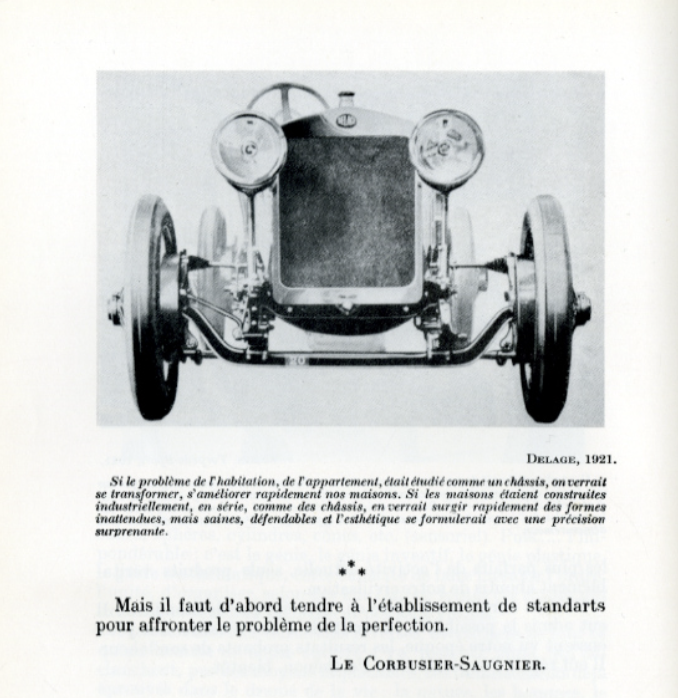
………………If the problem of the dwelling or the flat were studied in the same way that a chassis is, a speedy transformation and improvement would be seen in our houses. If houses were constructed by industrial mass production, like chassis, unexpected but sane and defensible forms would soon appear, and a new aesthetic would be formulated with astonishing precision……………….
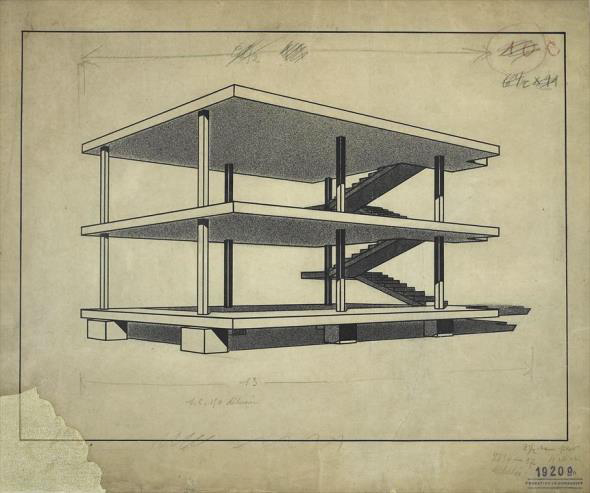
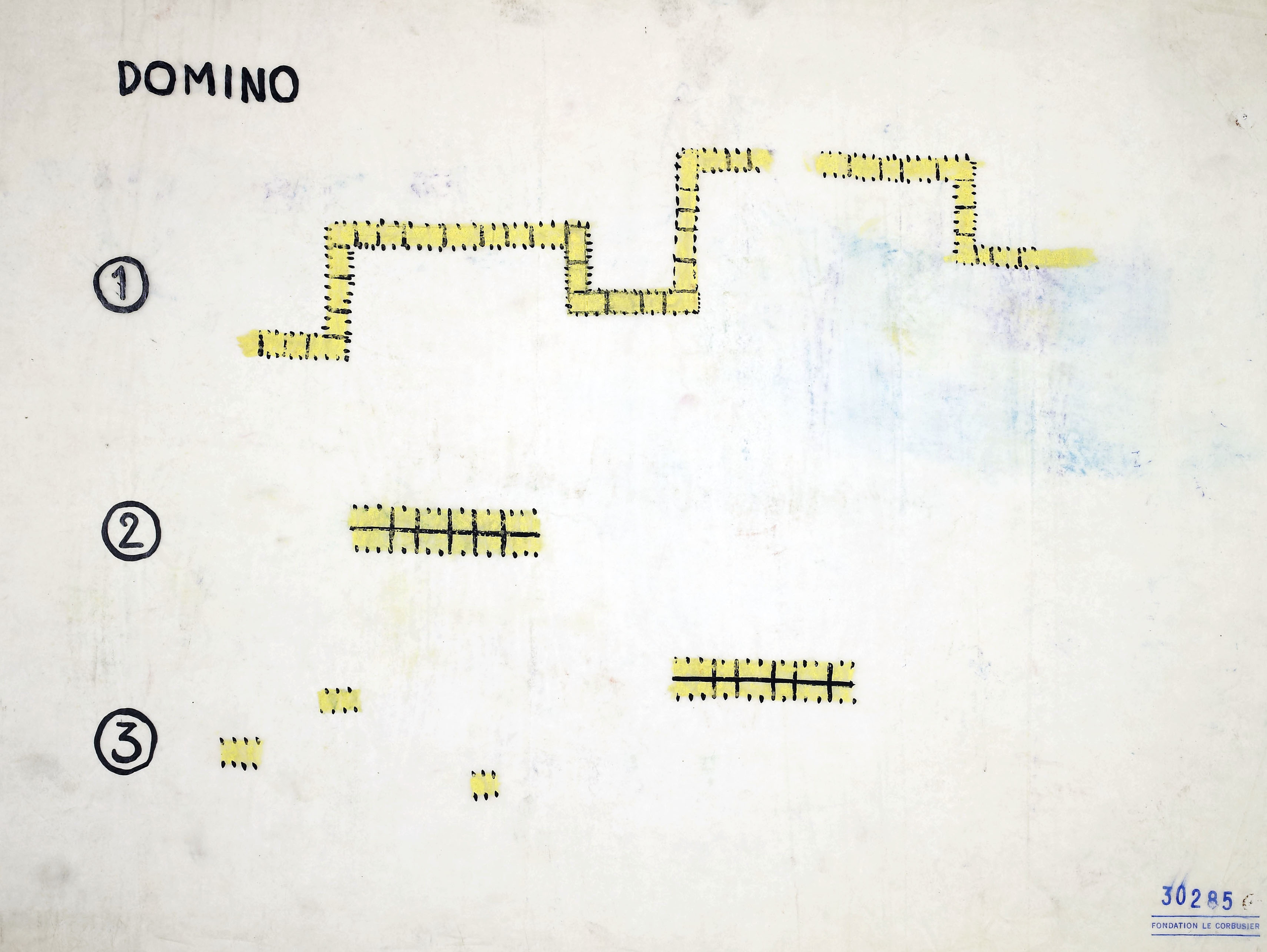
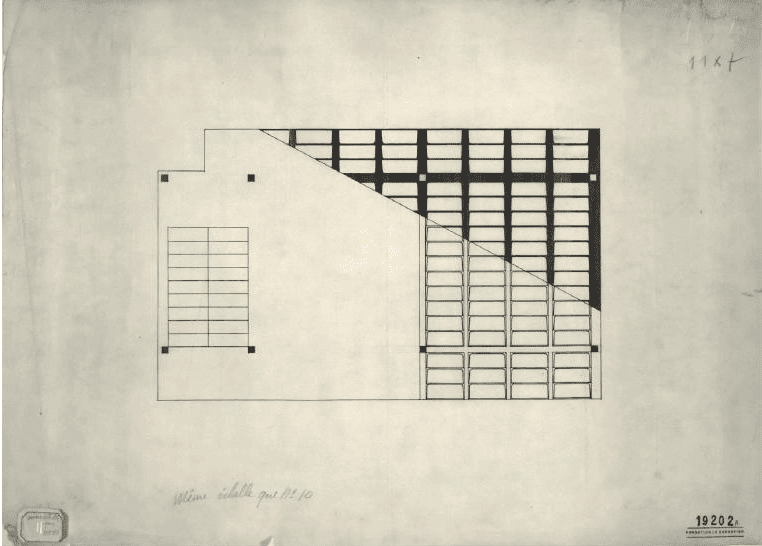
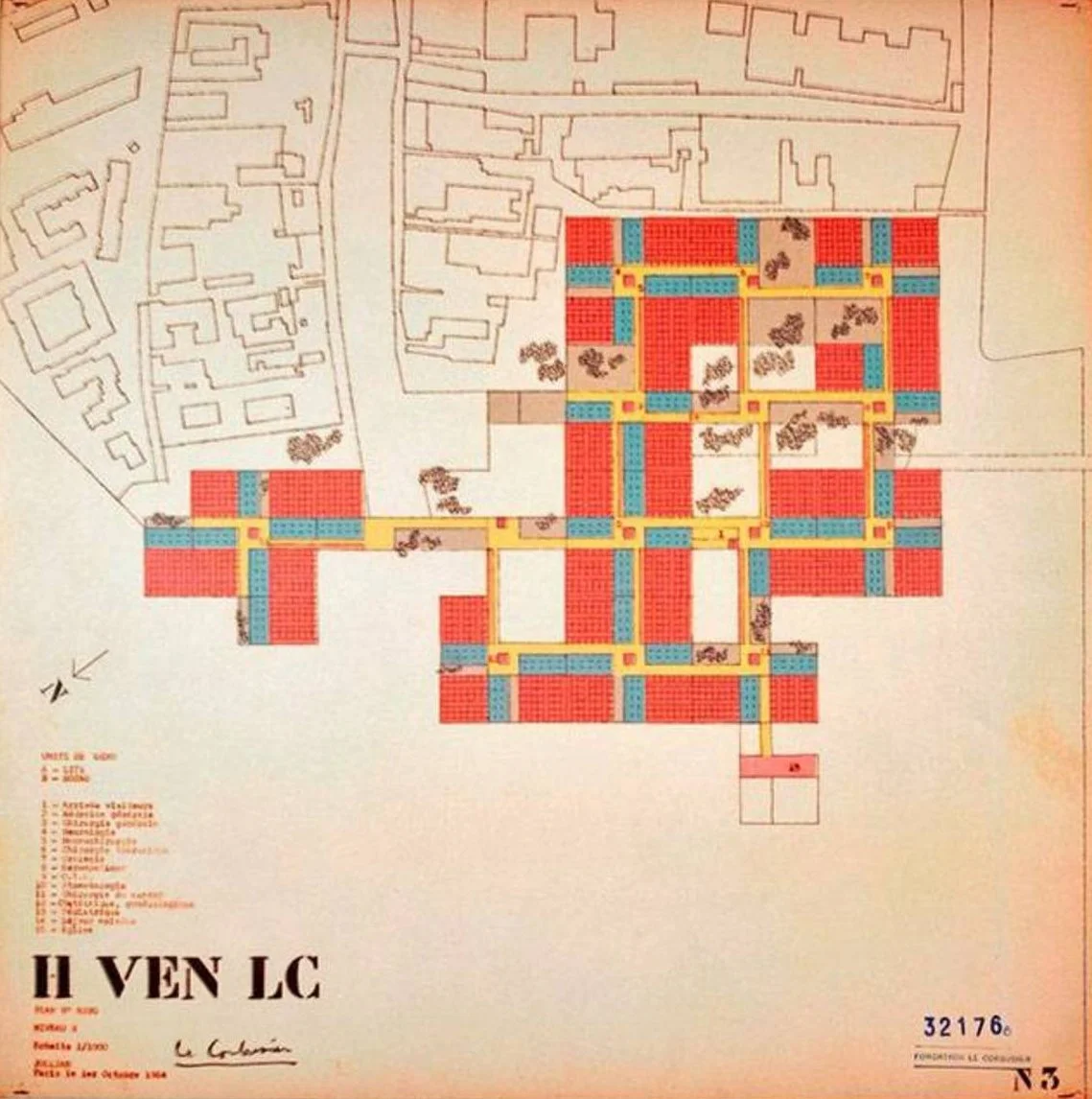
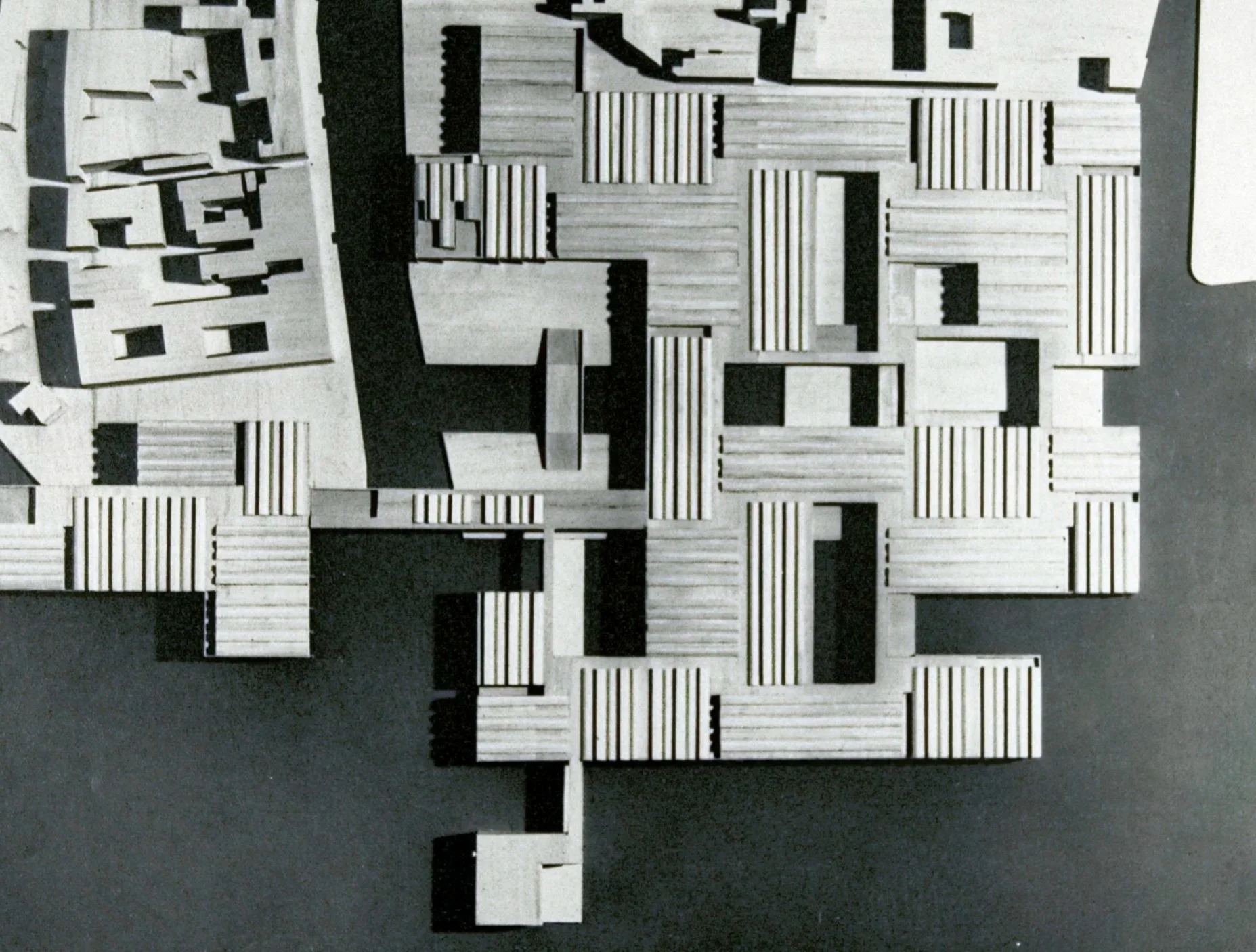
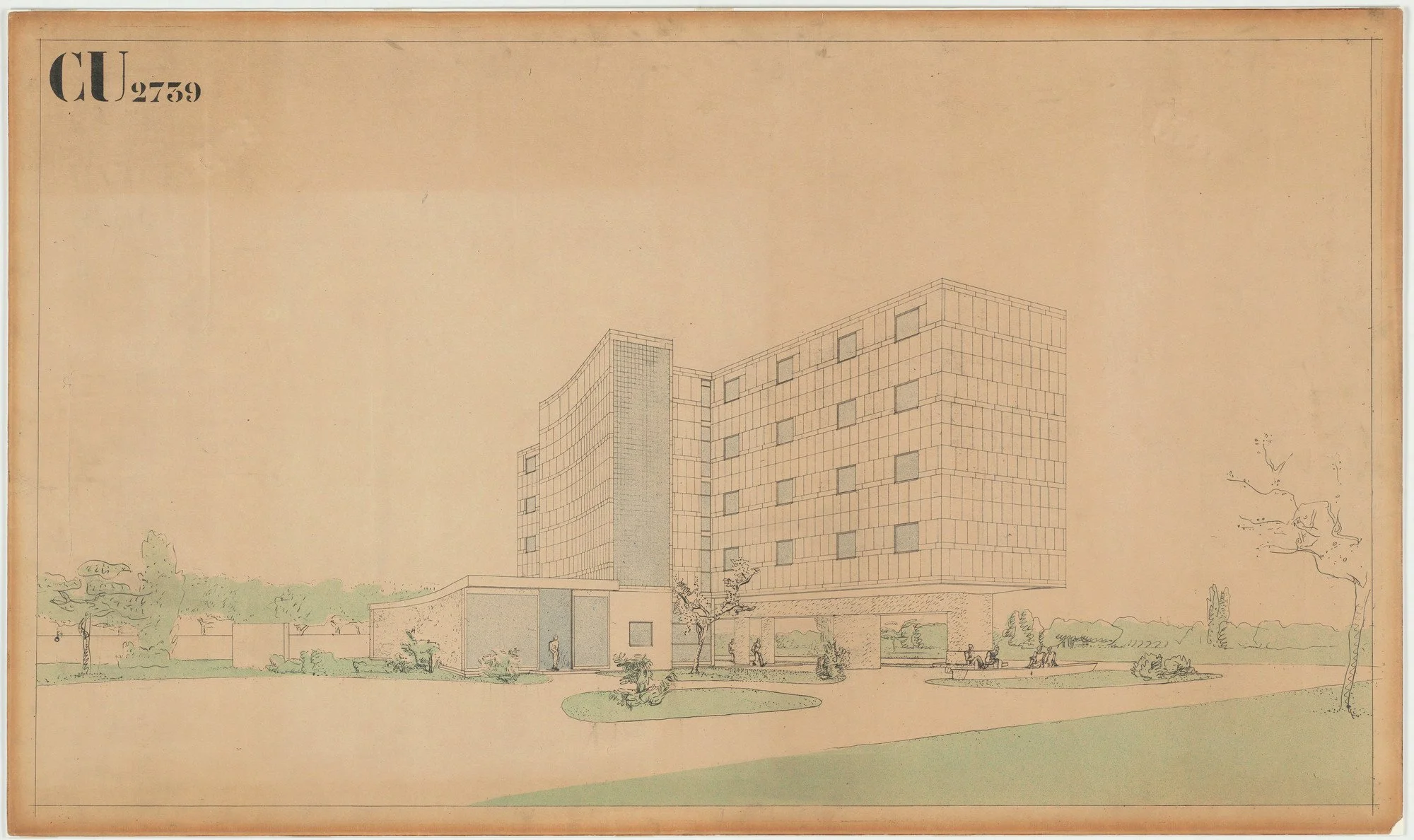
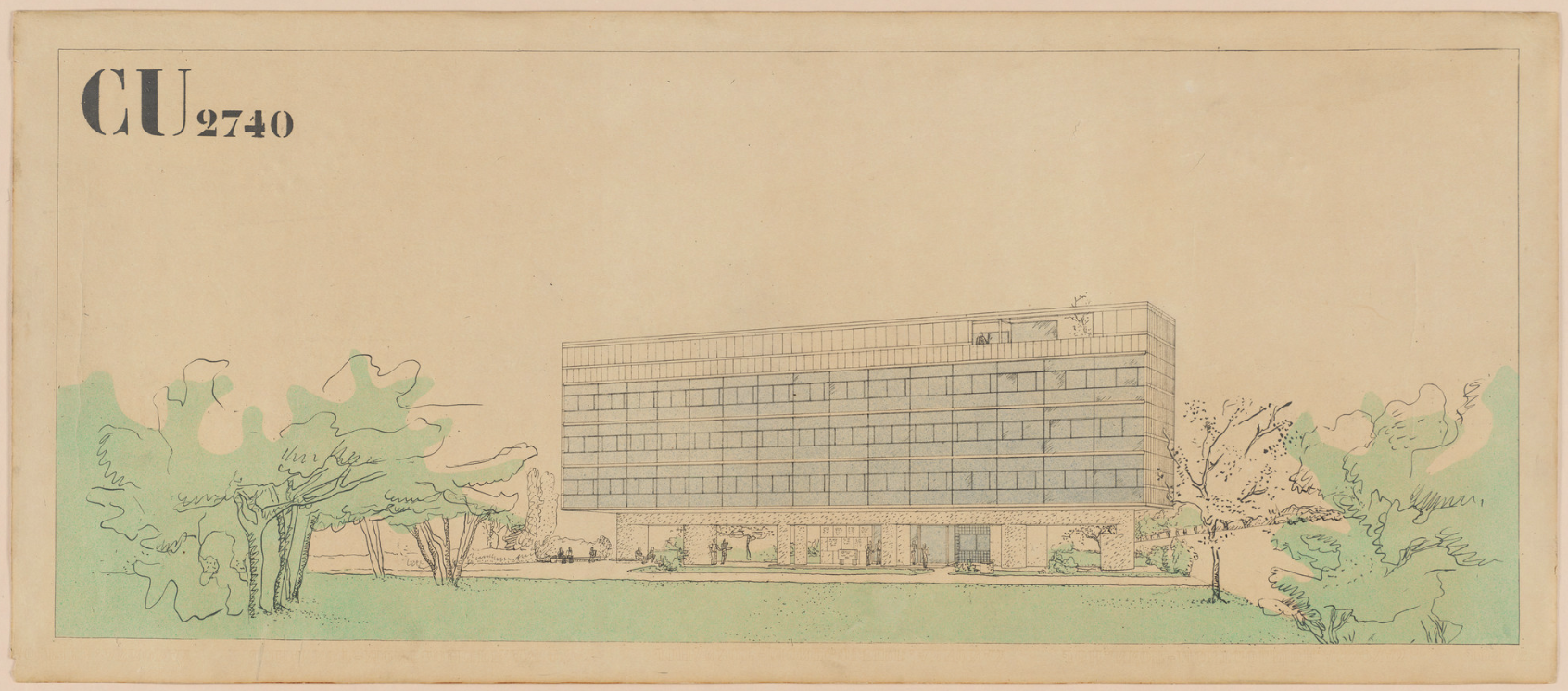
Maison Domino, 1914 // Venice Hospital Project, 1965
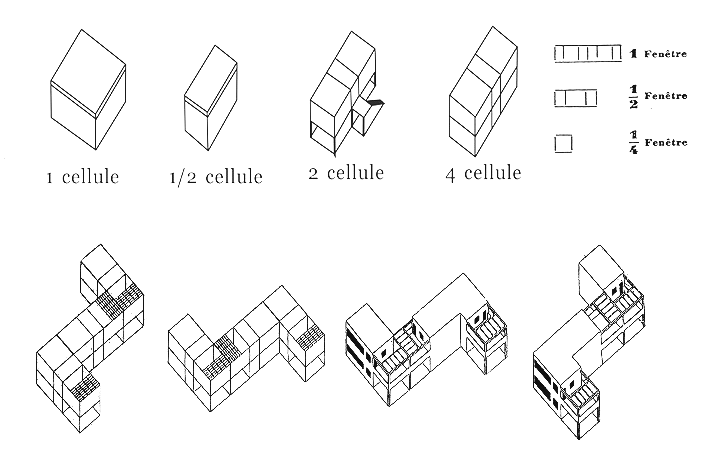
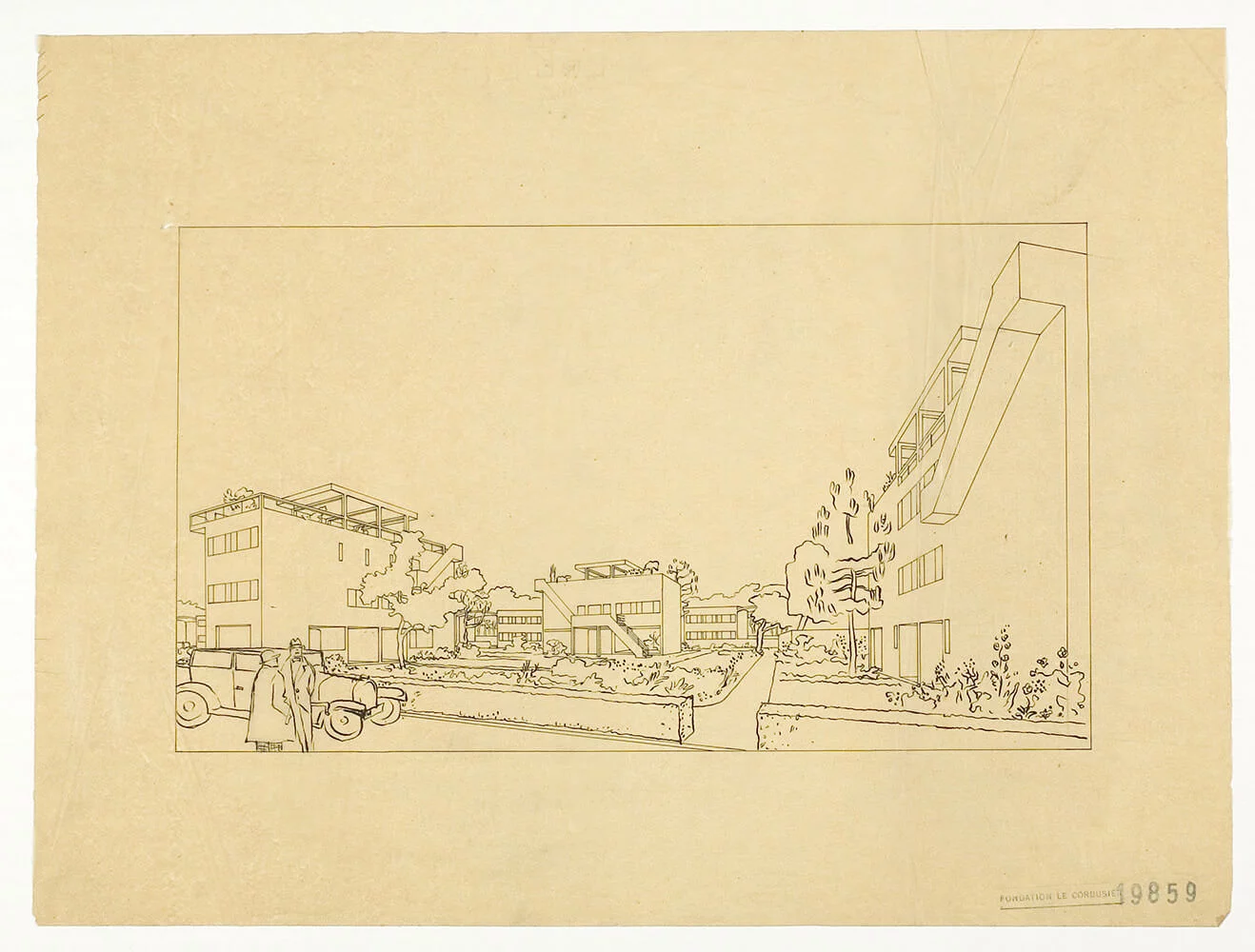
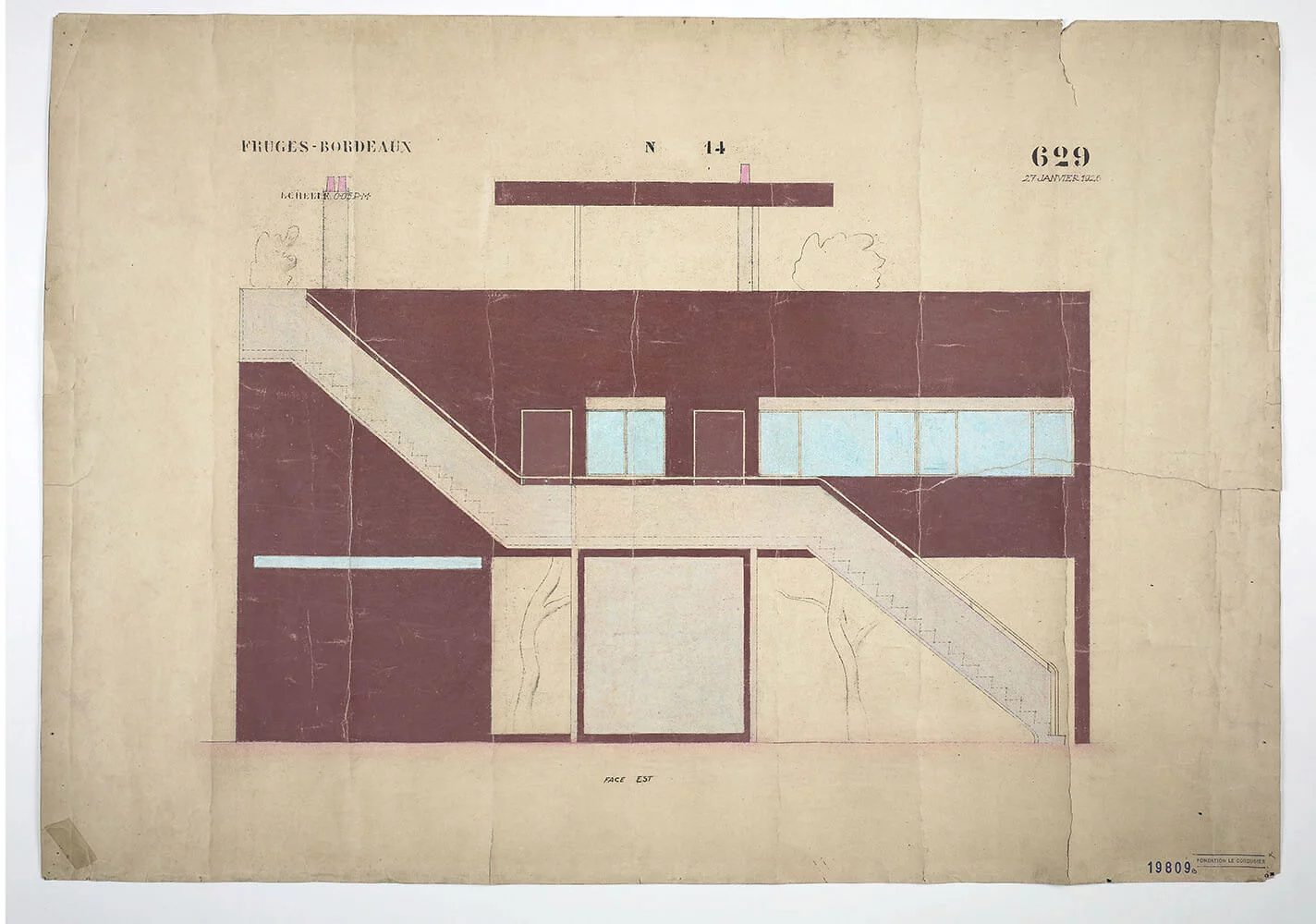
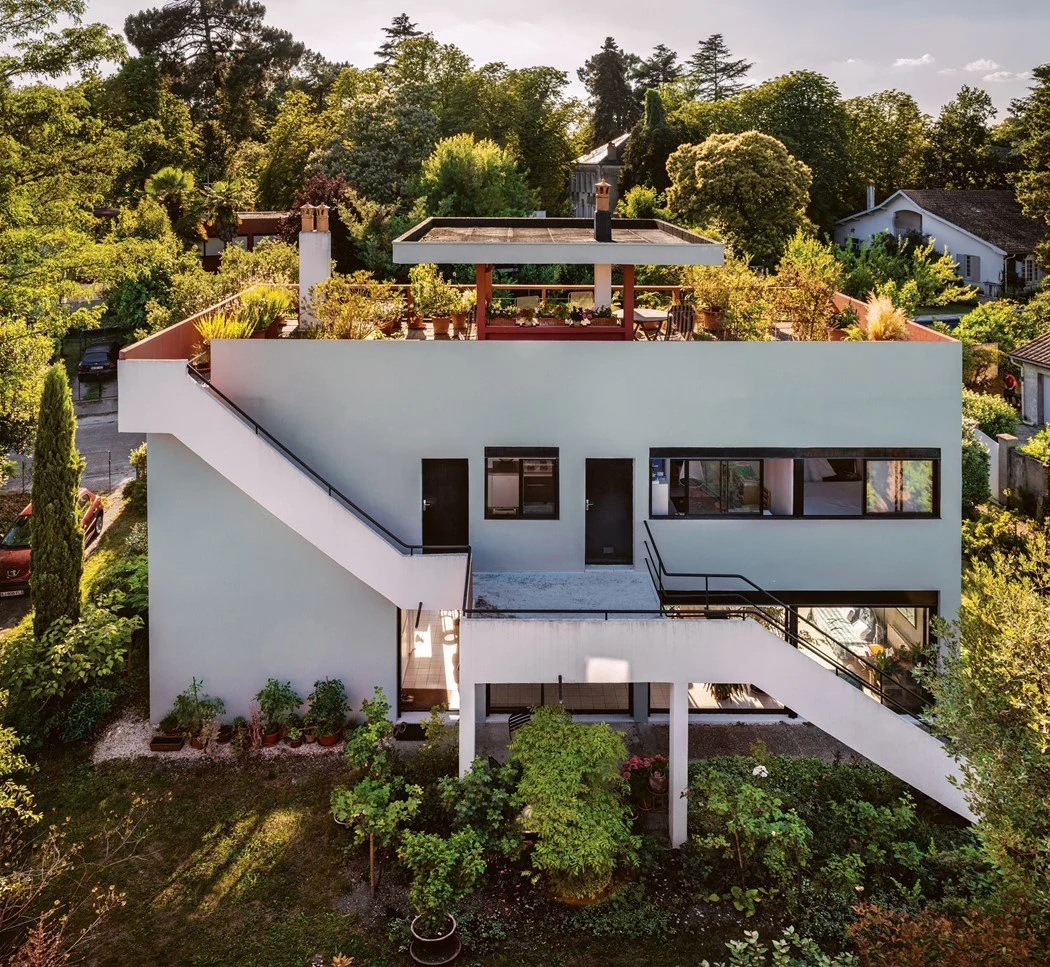
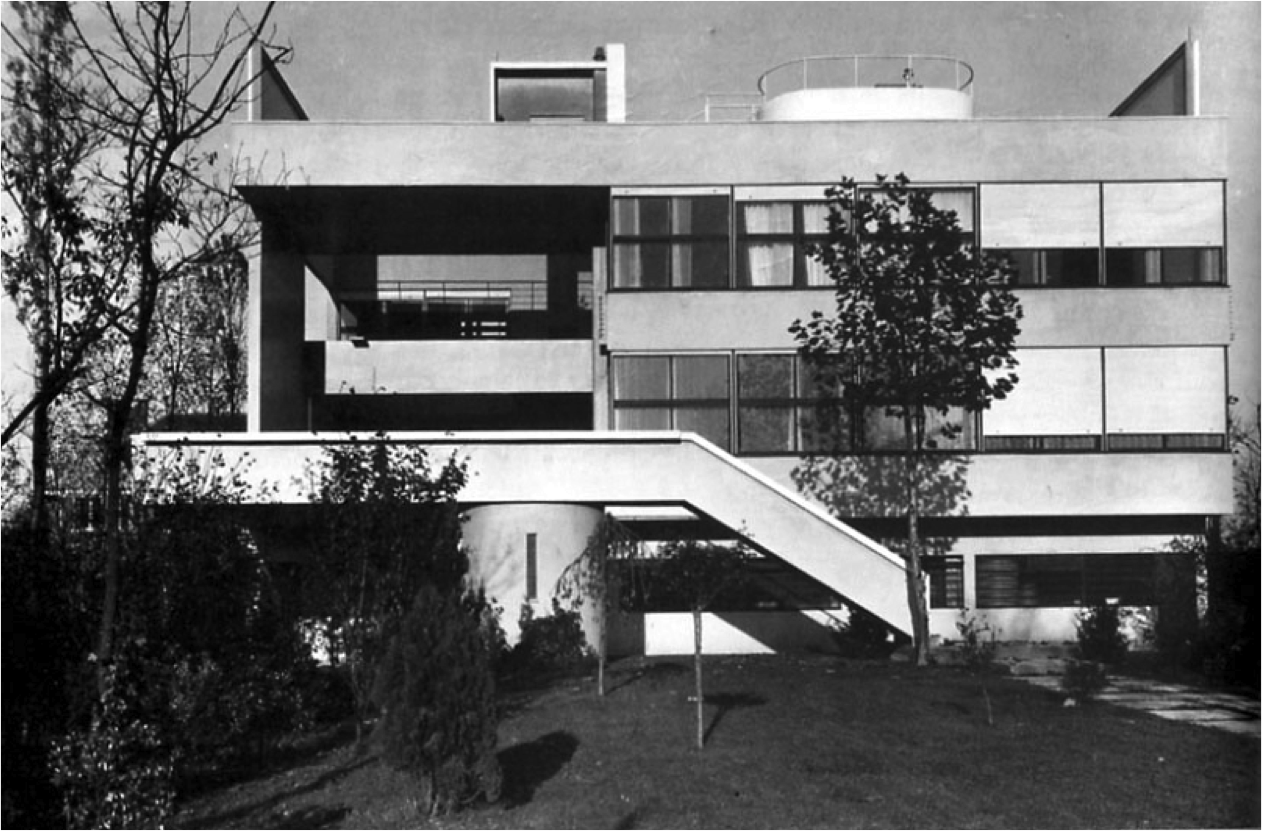
Fruges City, Pessac, 1924-1926
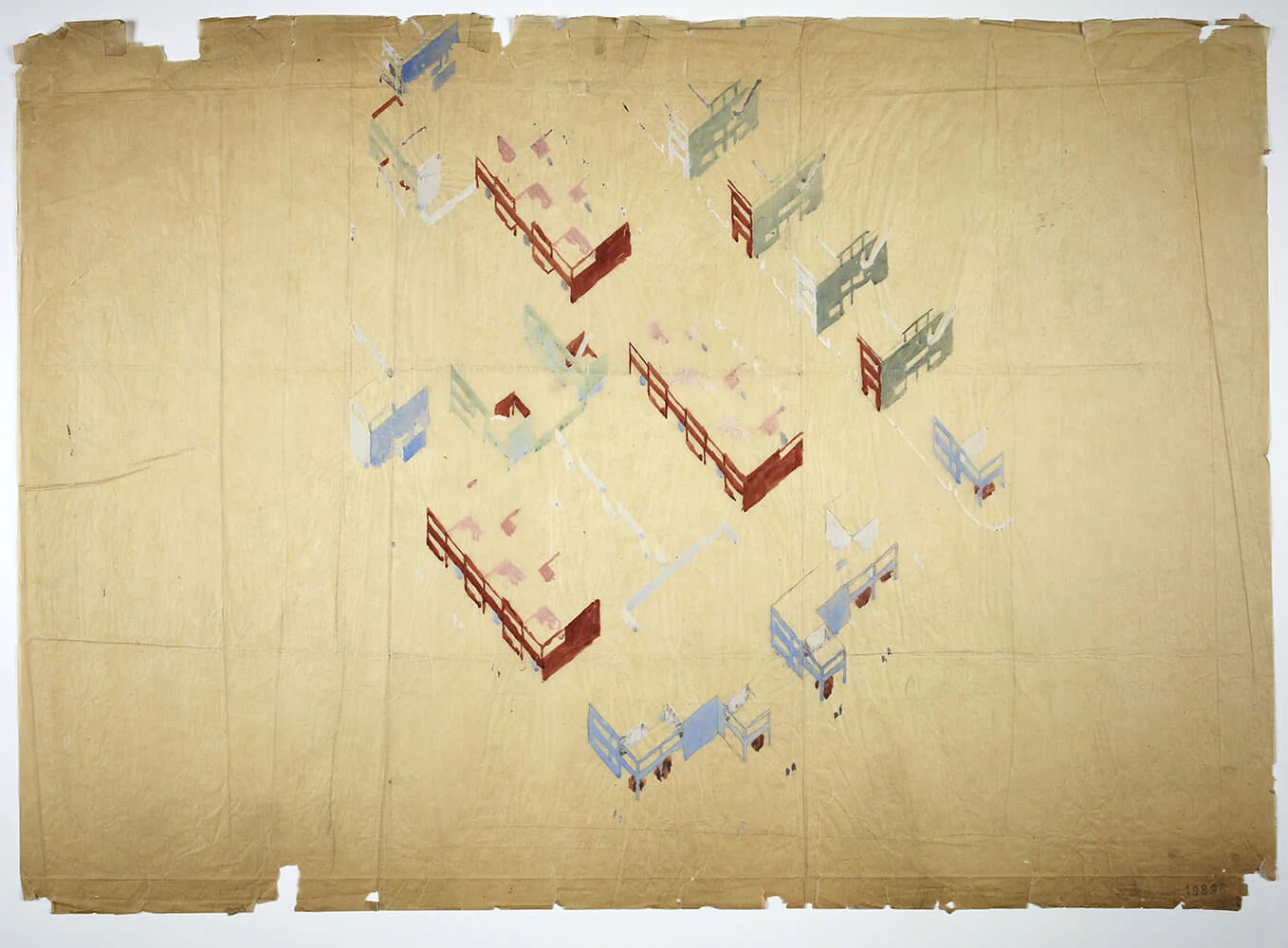
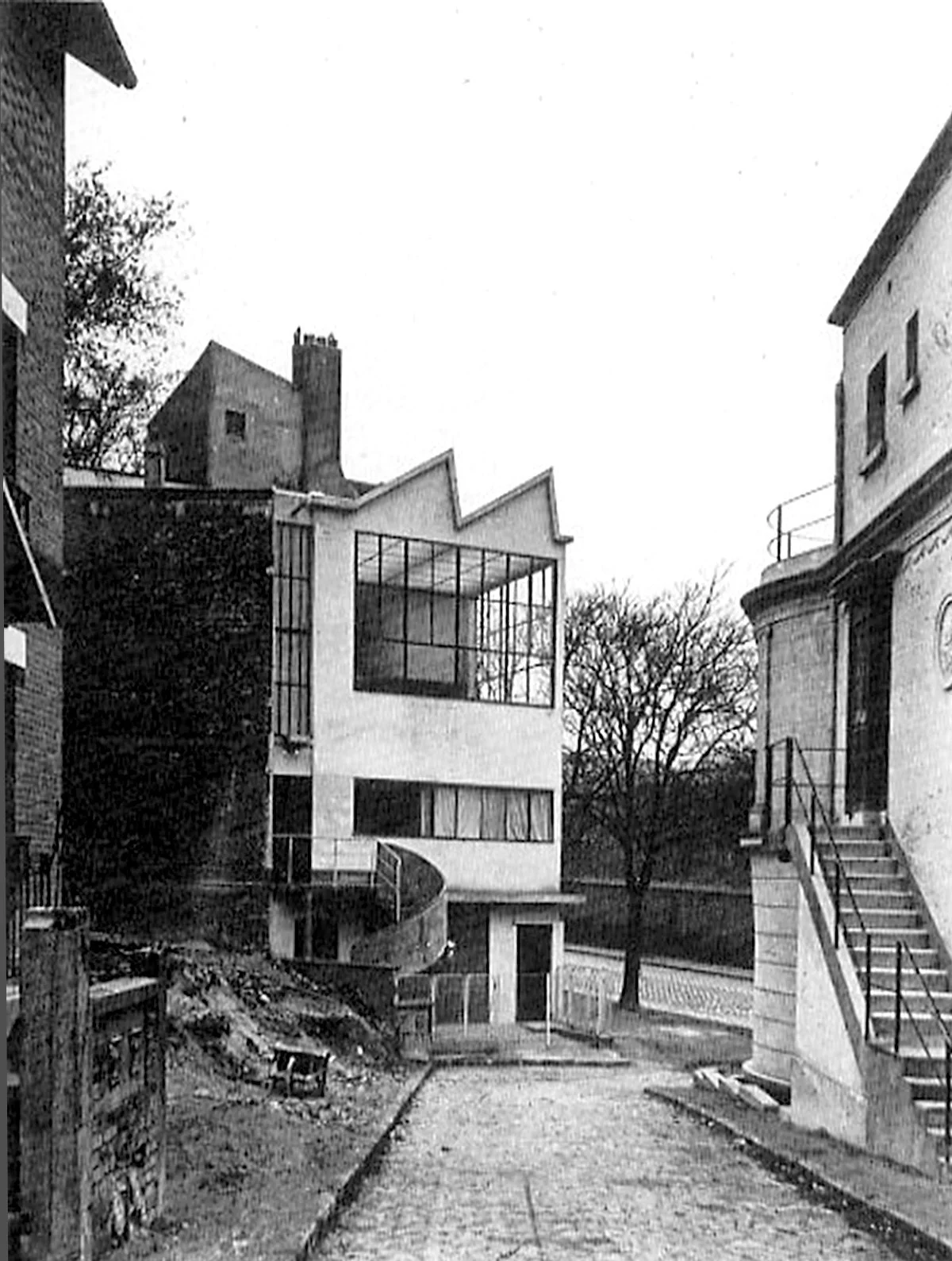
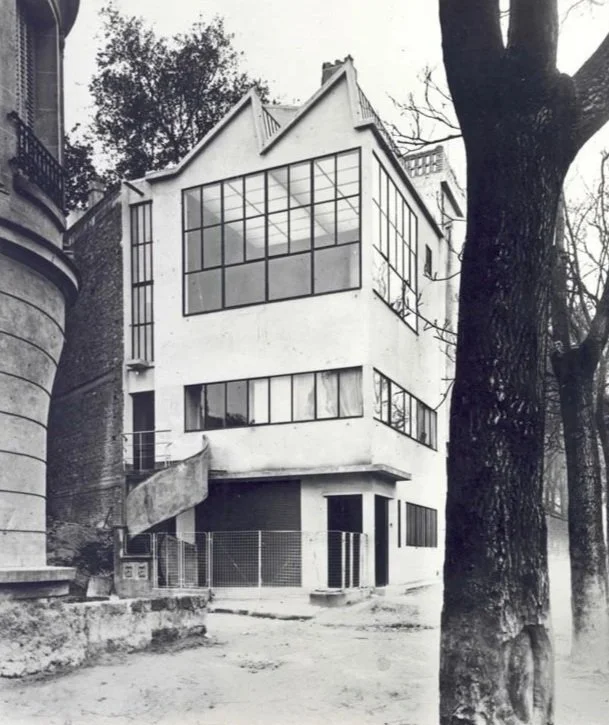
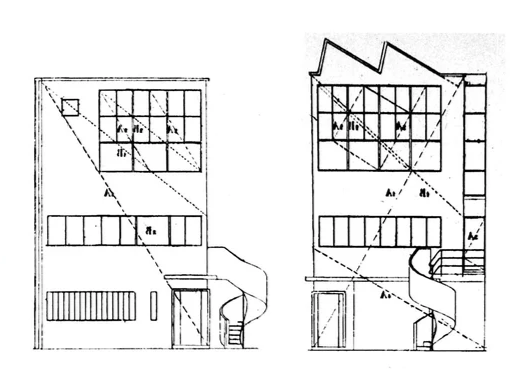
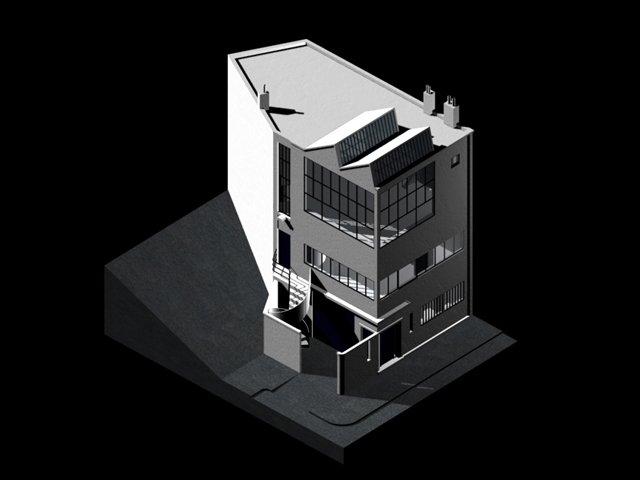
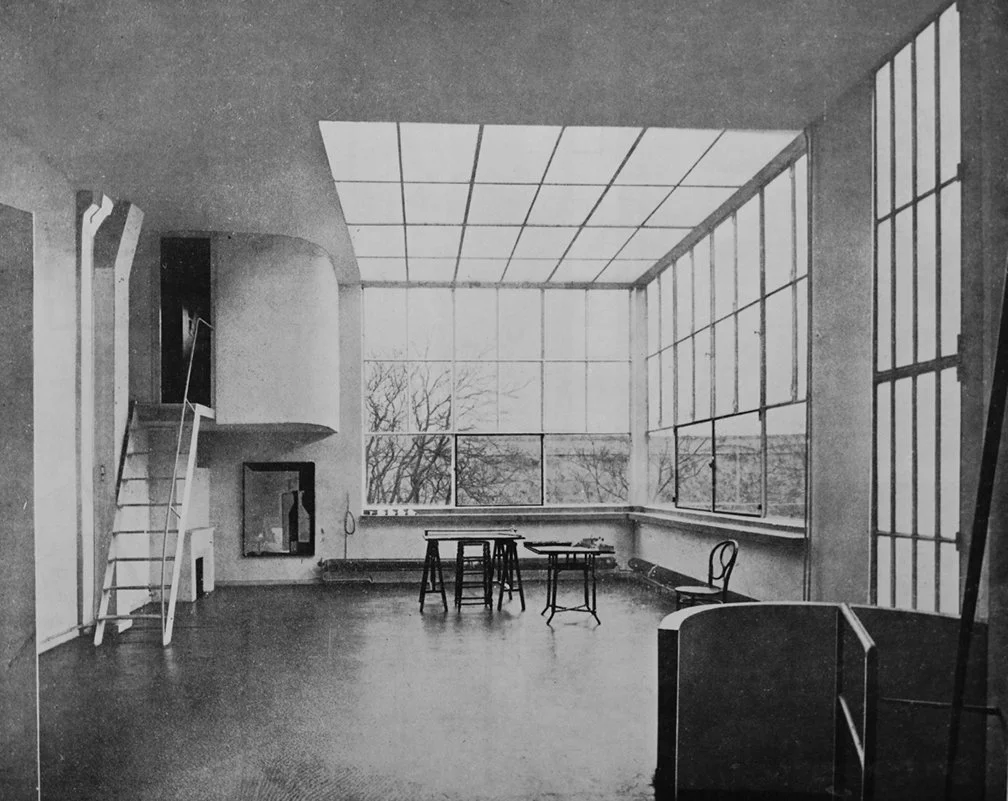
Ozenfant House-Studio, Paris, 1922-4
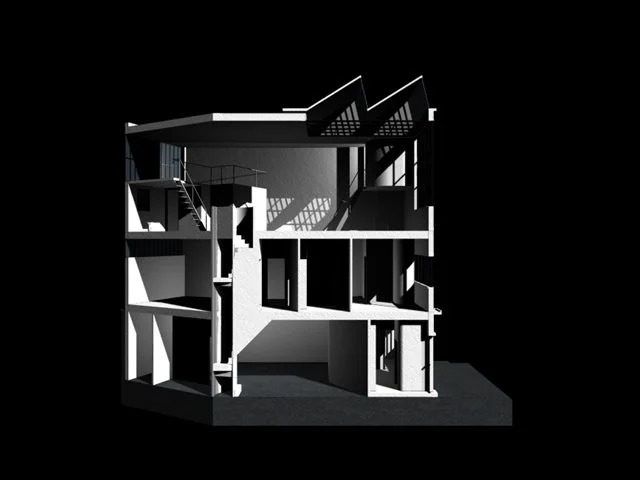
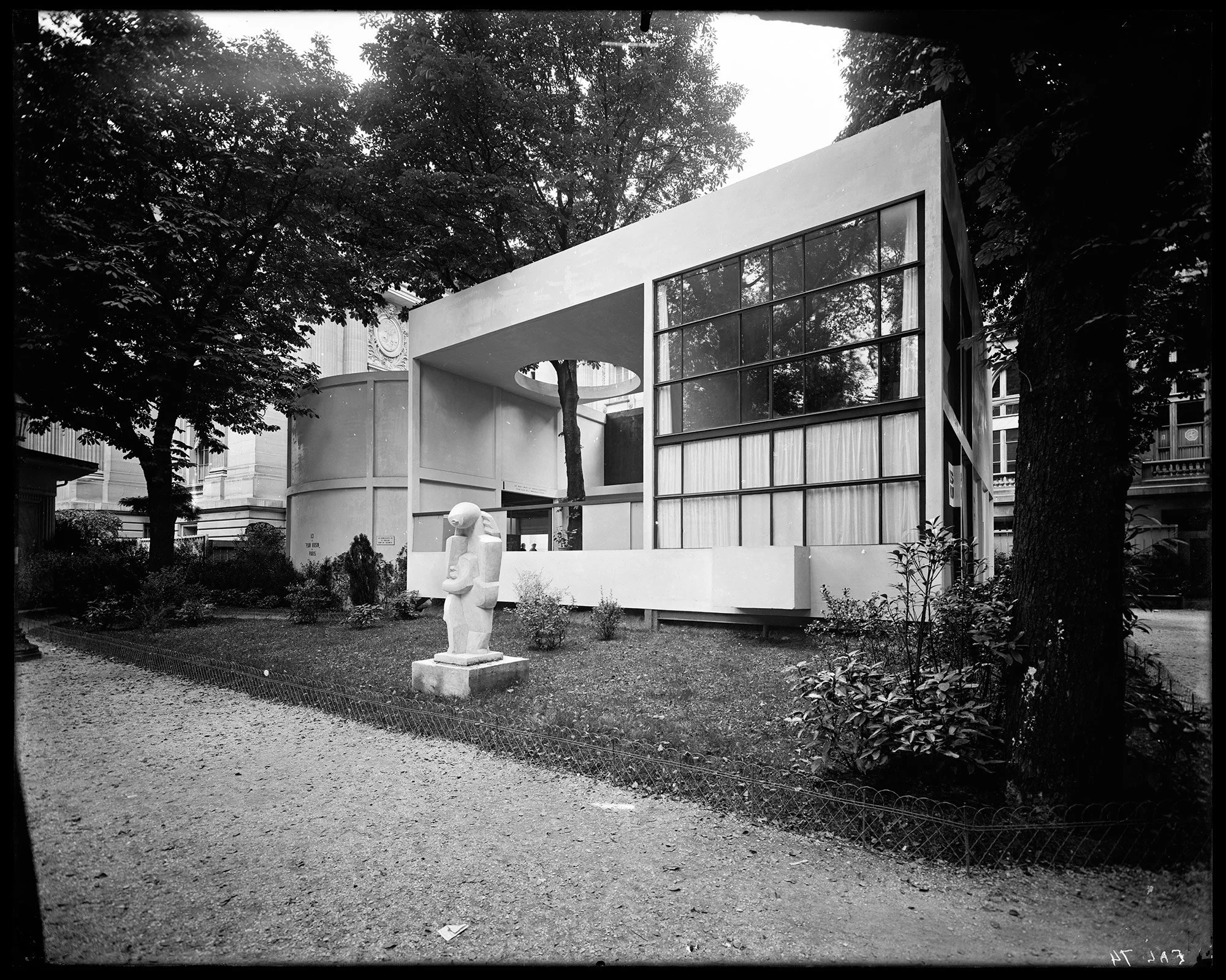
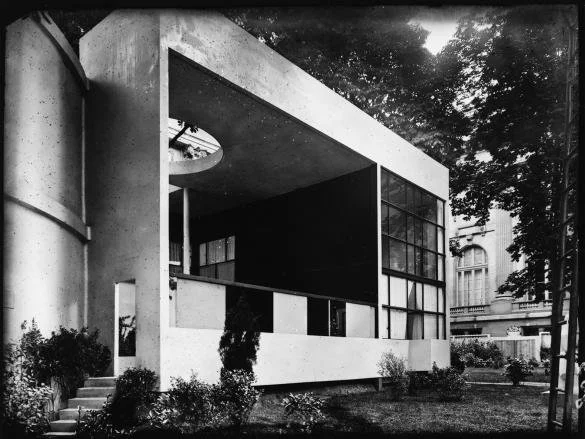
Pavillon de l'Esprit Nouveau, Paris, 1924-5.
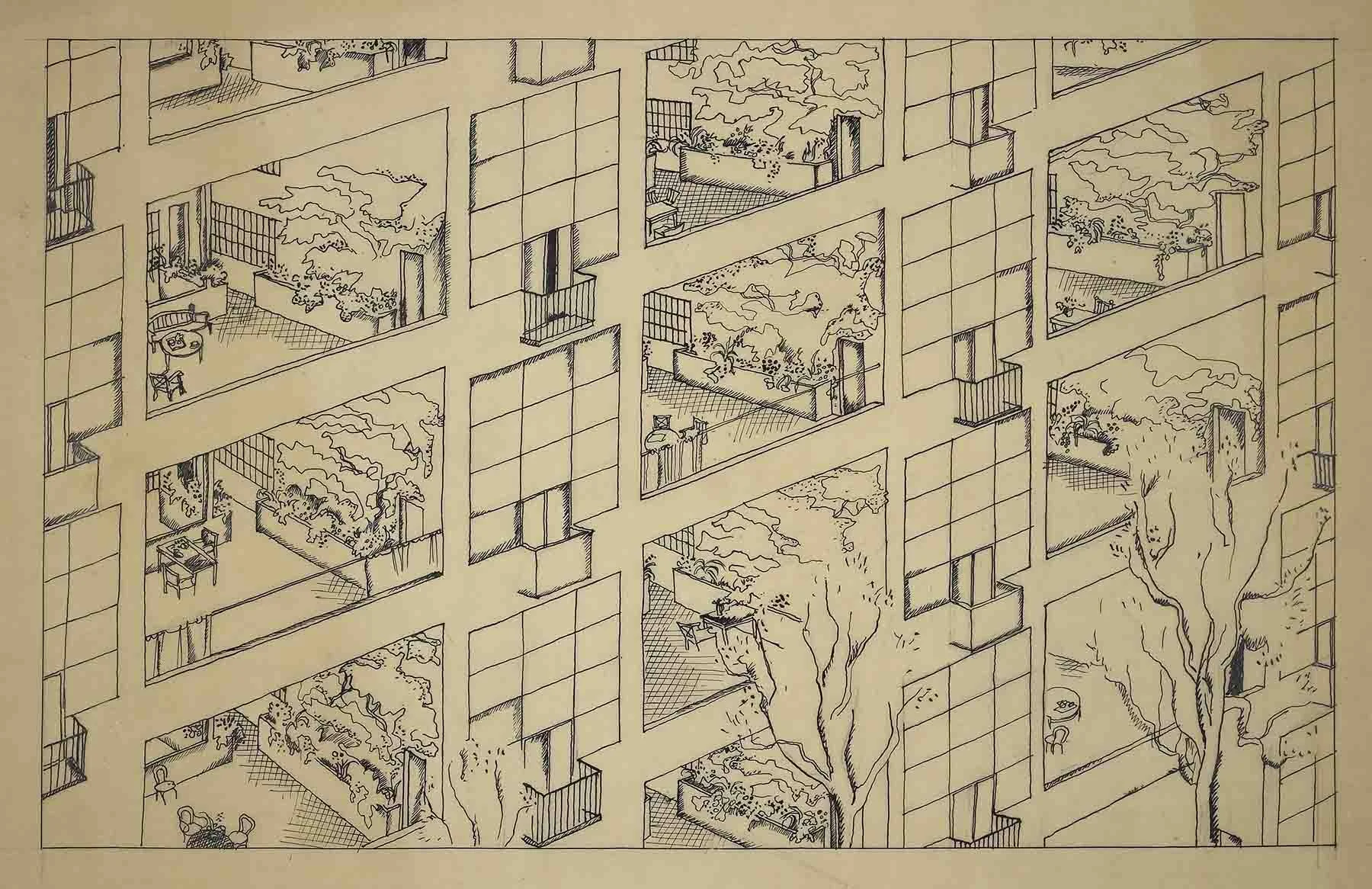
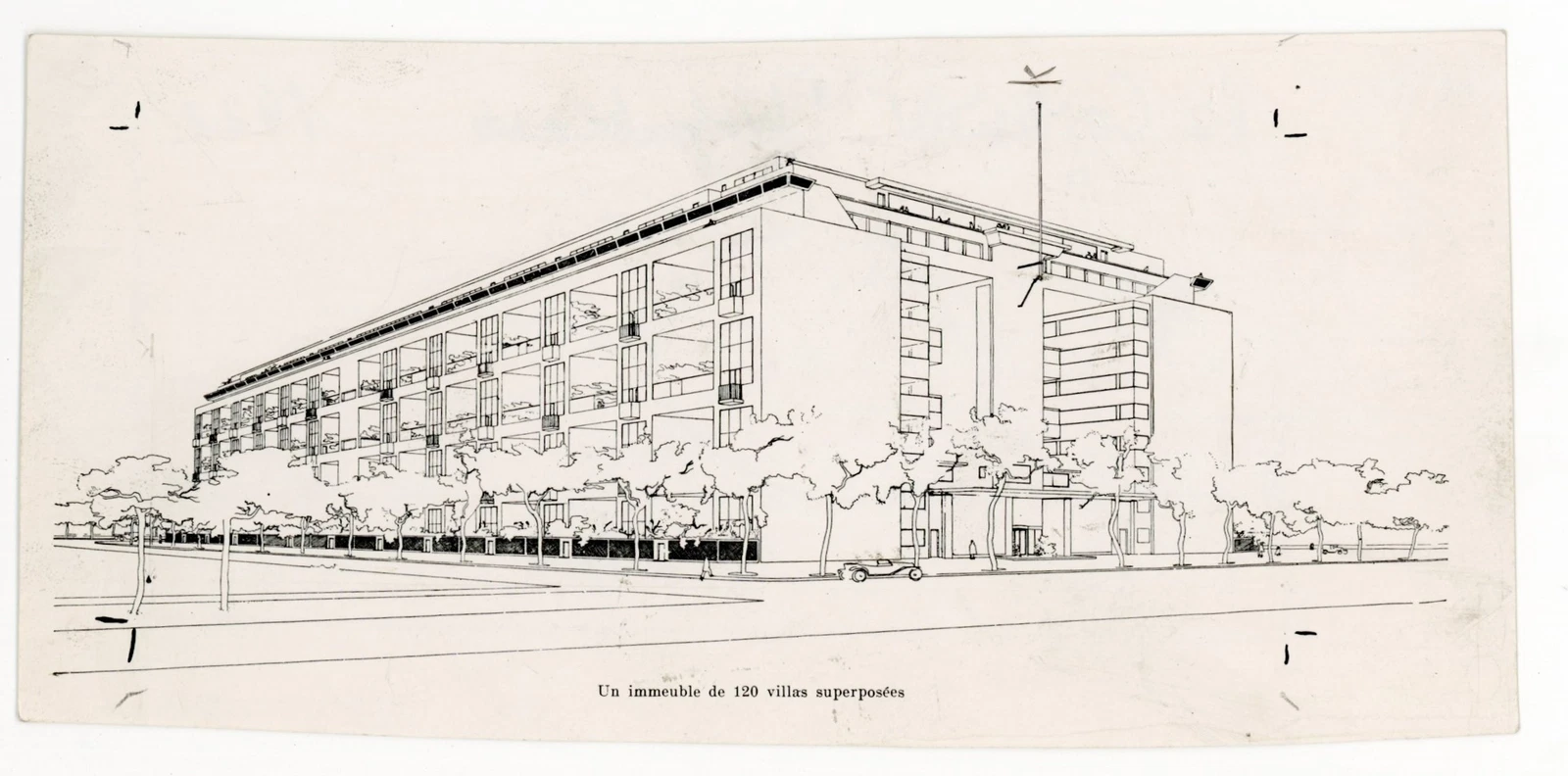
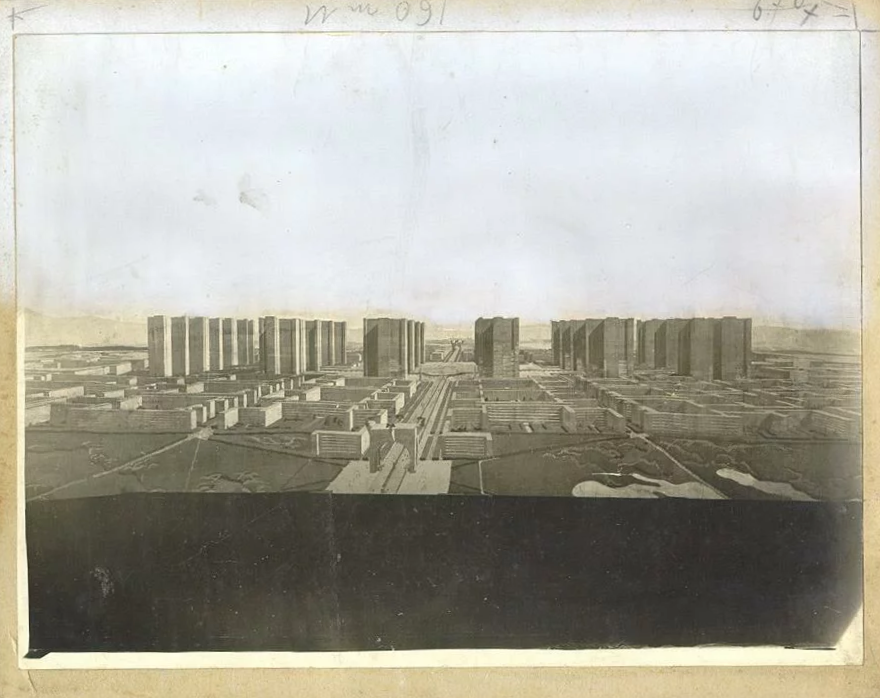
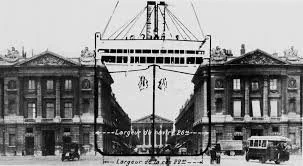
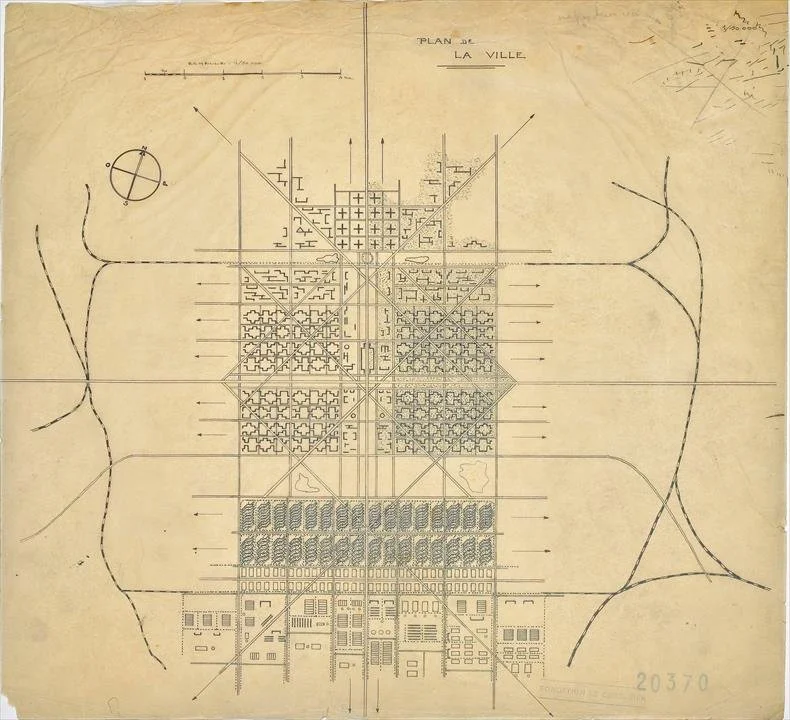
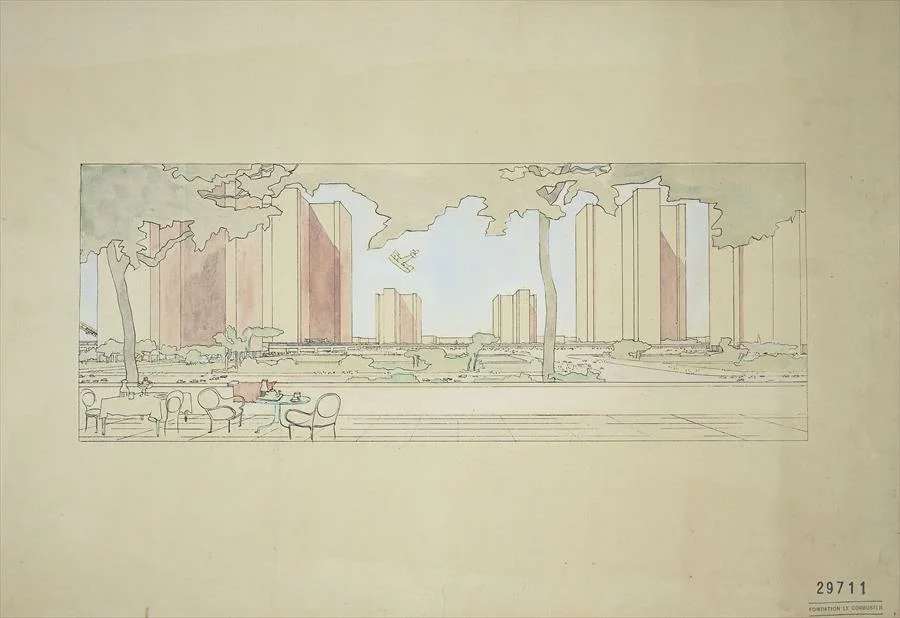
contemporary city of three million inhabitants, 1922

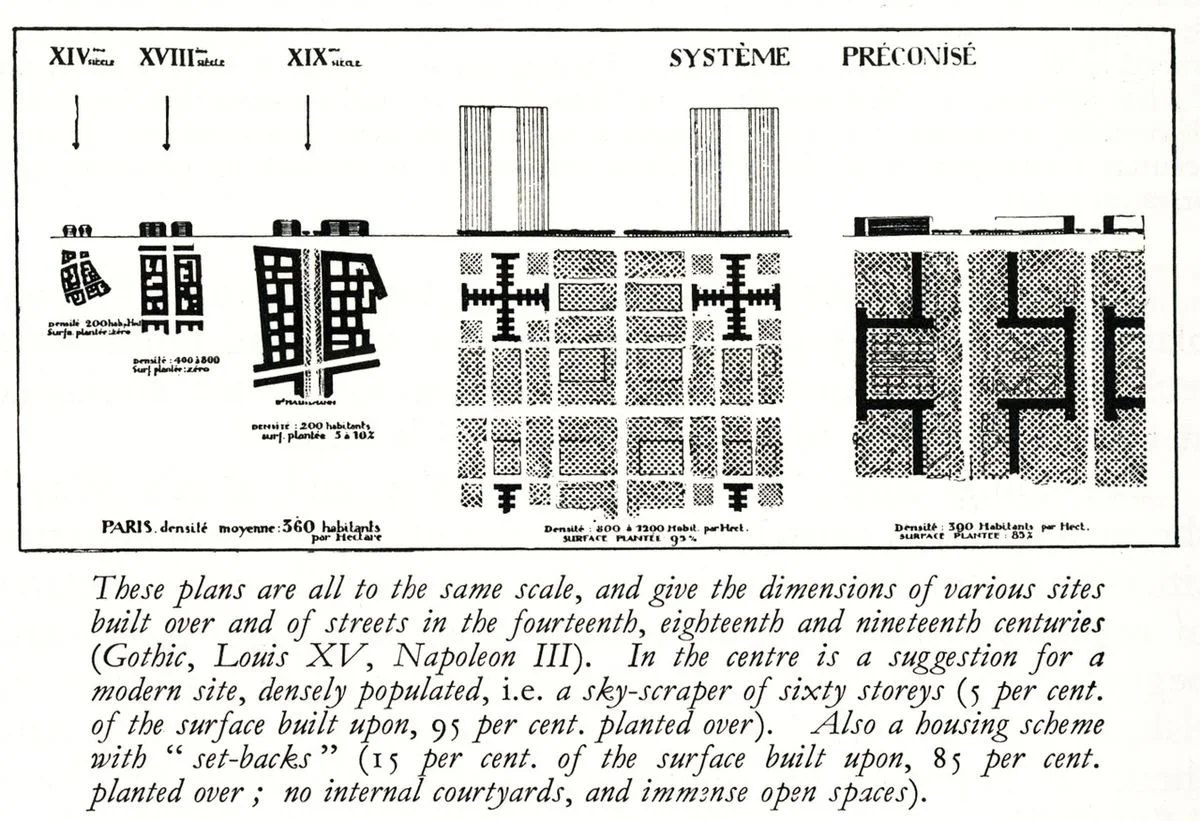
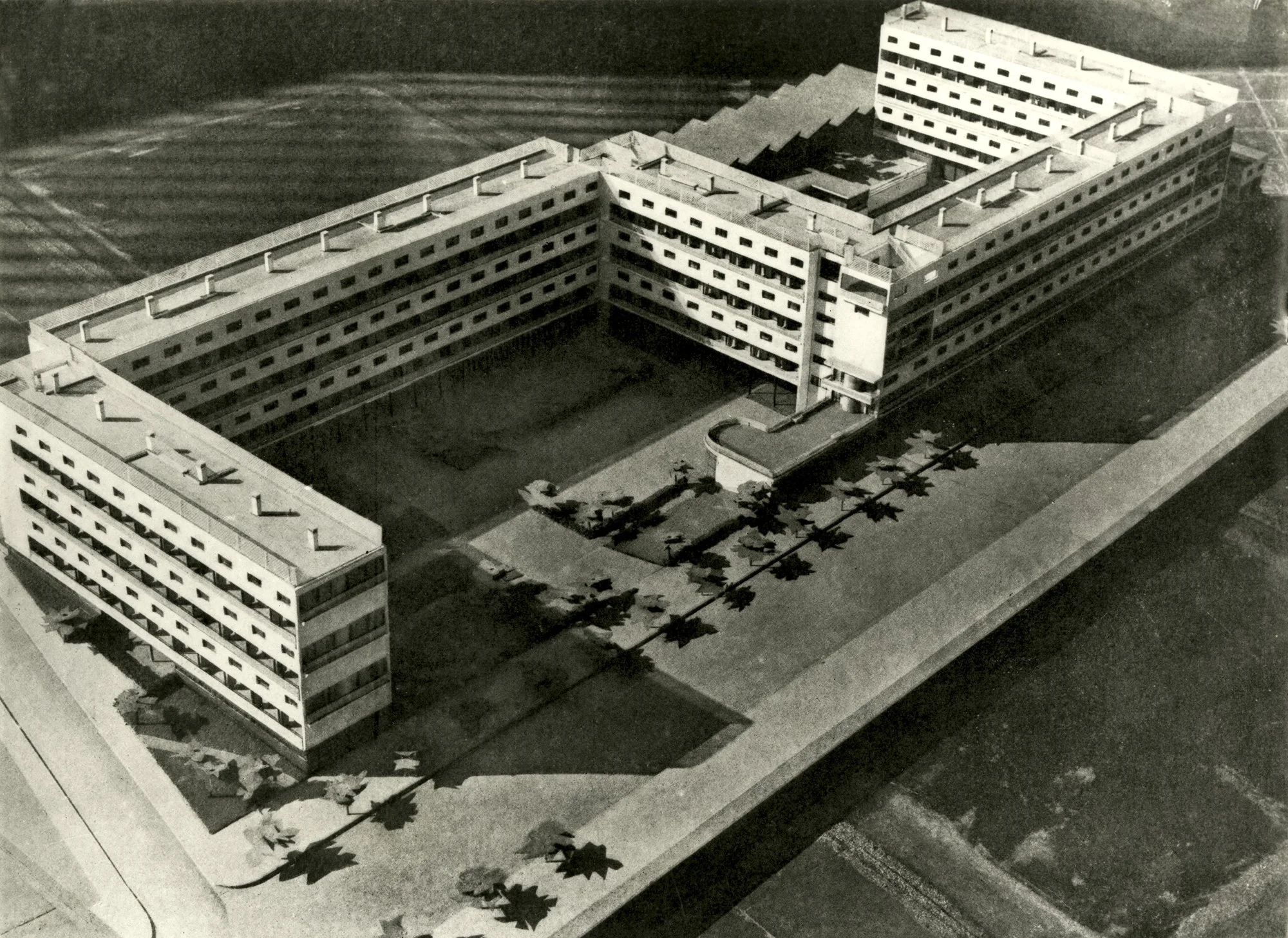
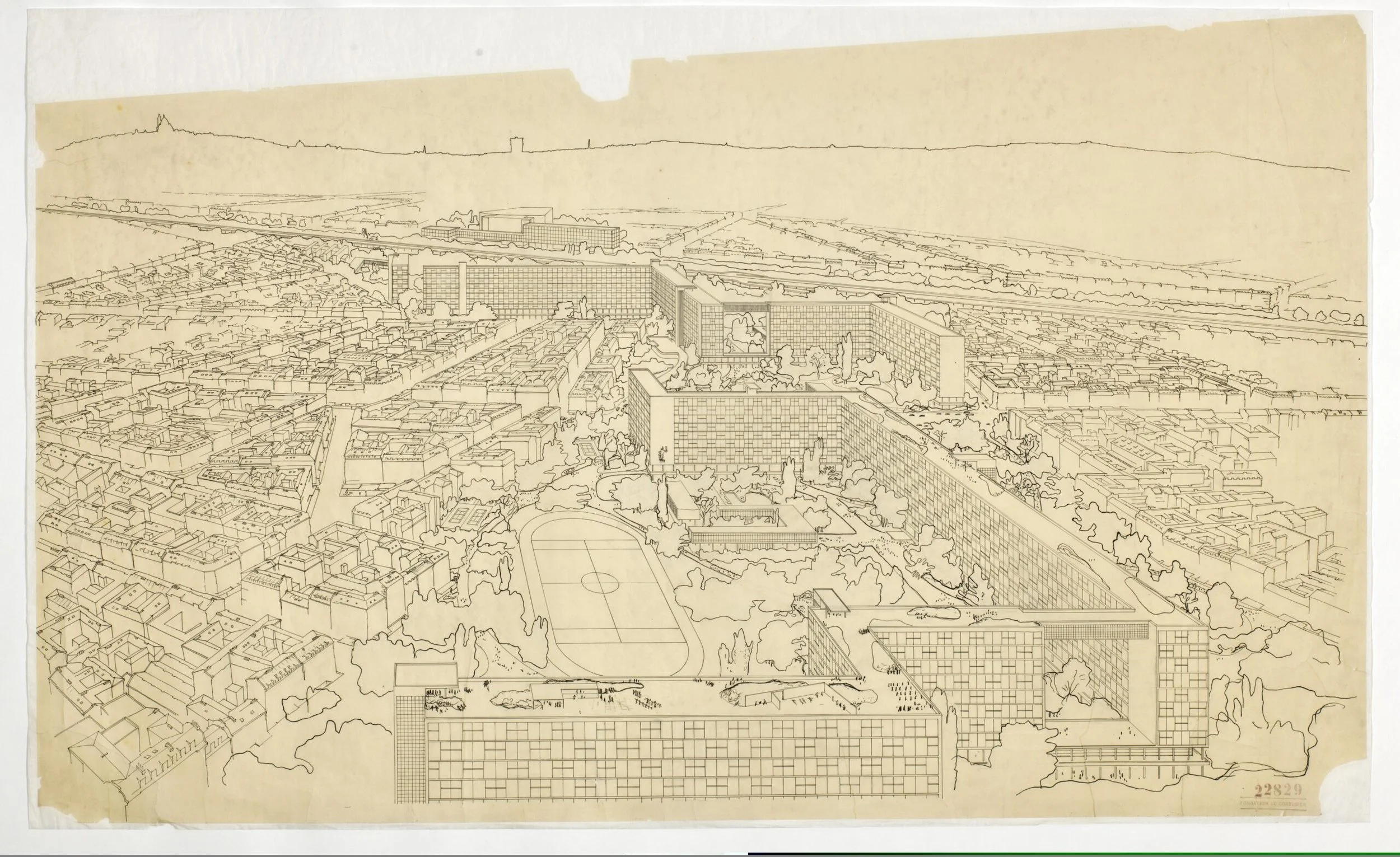
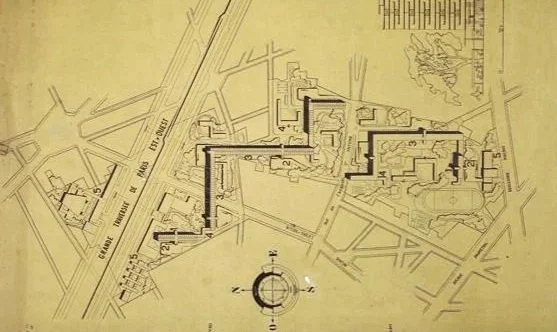
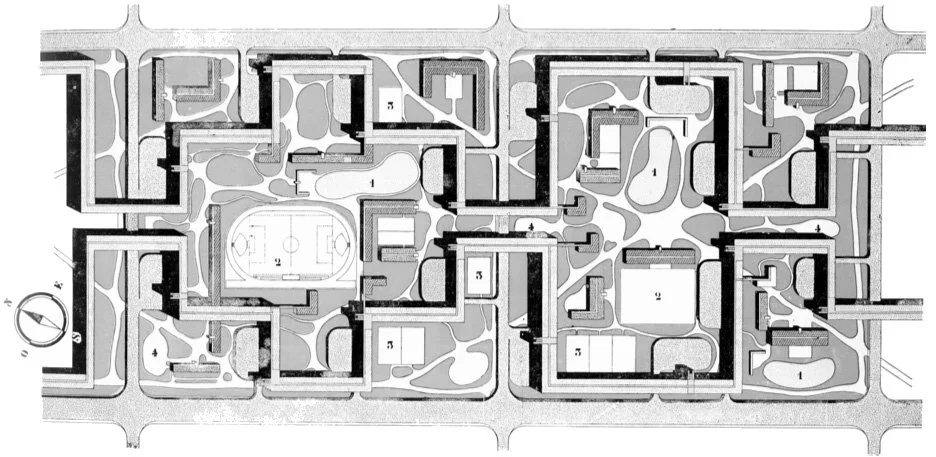
Casa Bloc, 1932-6, Barcelona (Sert, Josep Torres Clavé, Subirana) // block no. 6 proposal, Paris, 1936 // Radiant City, 1930
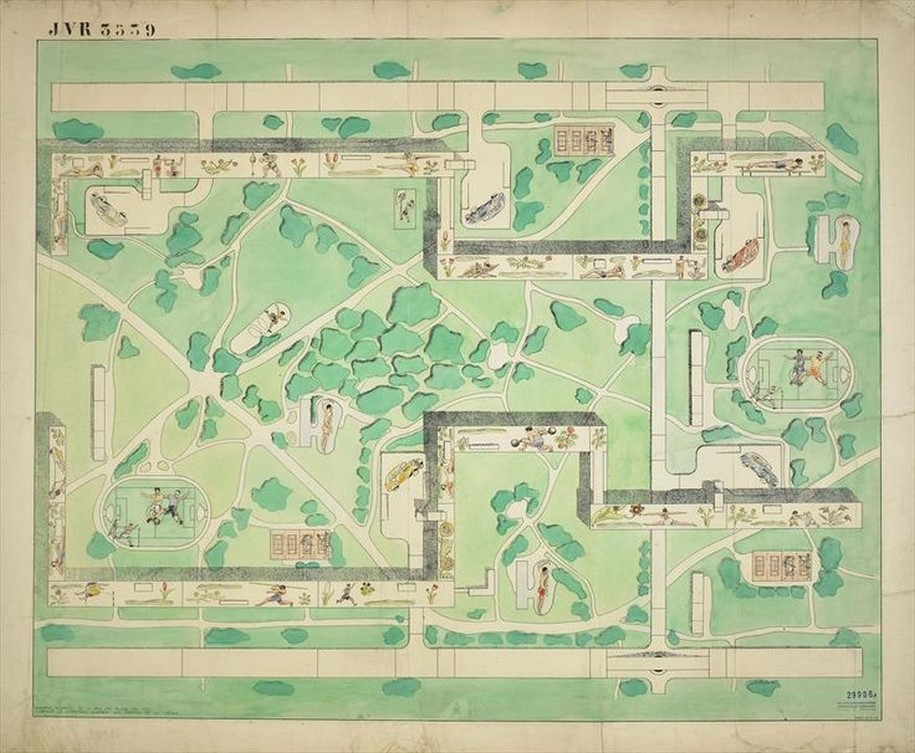
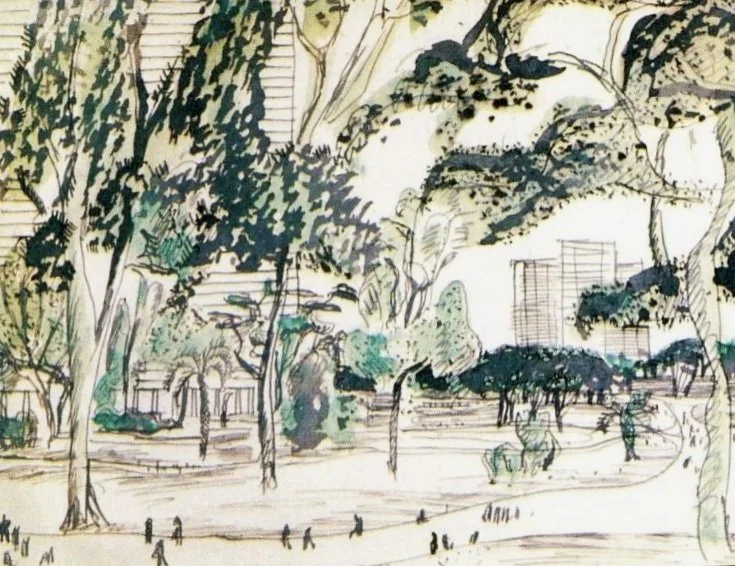
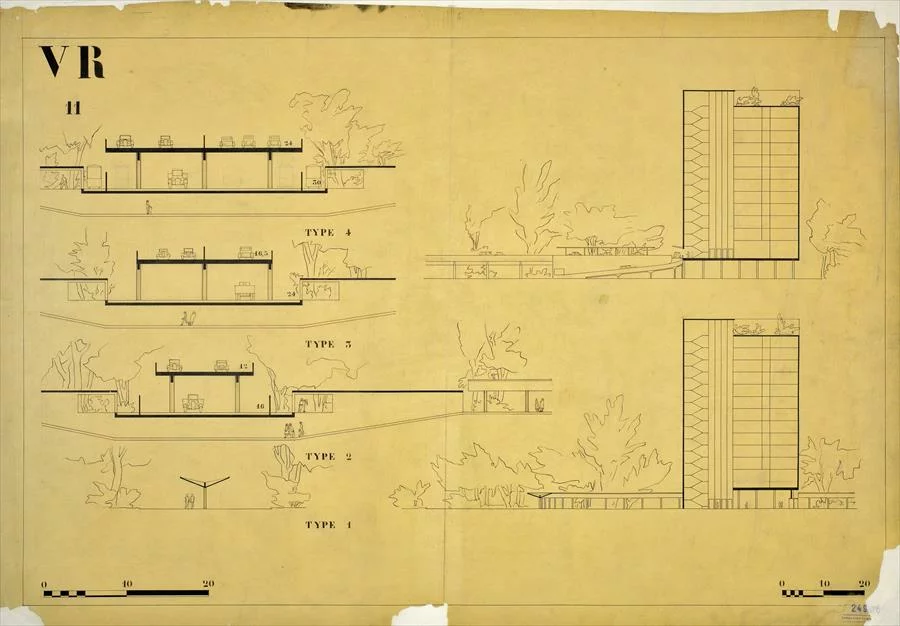

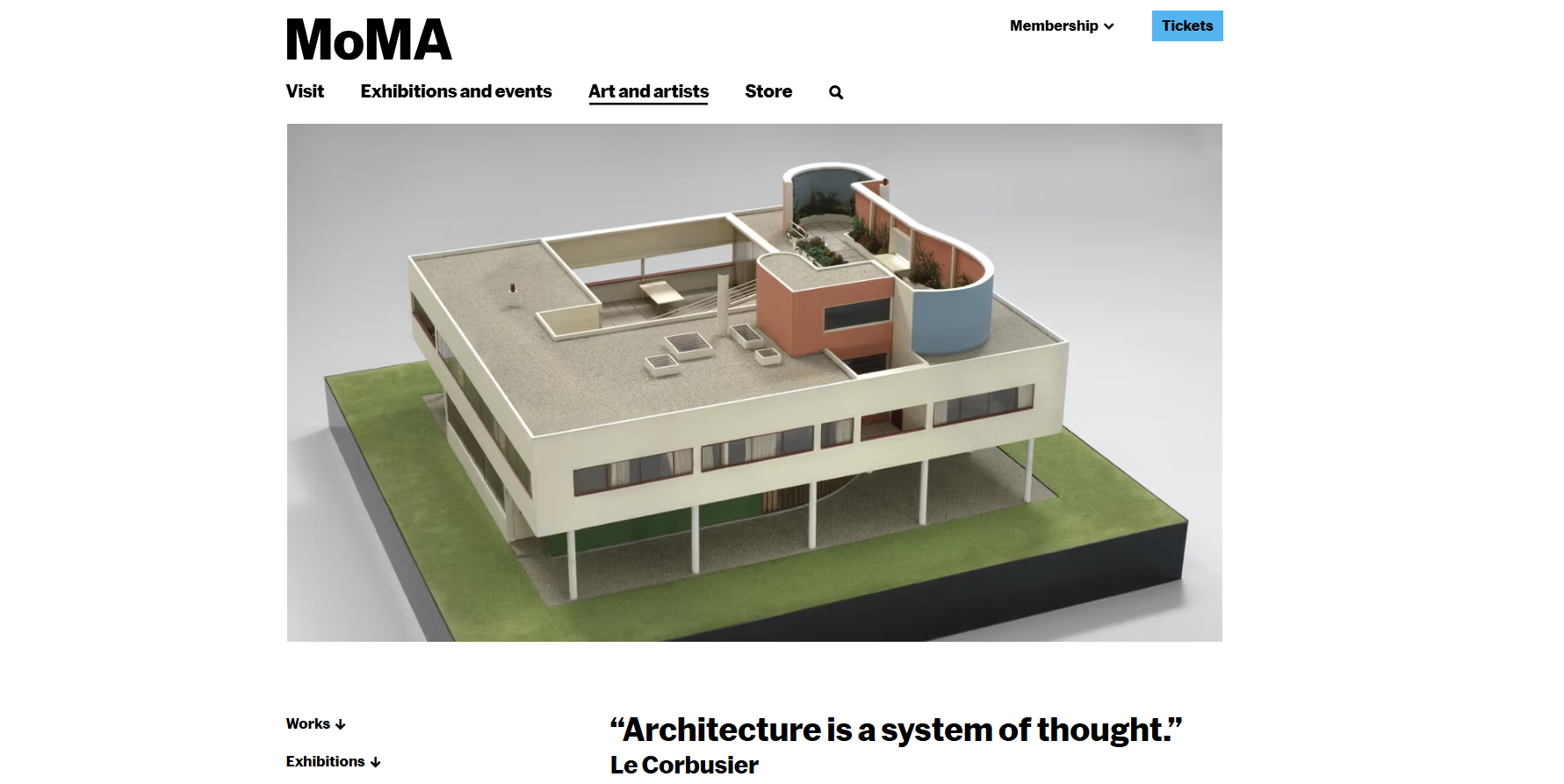
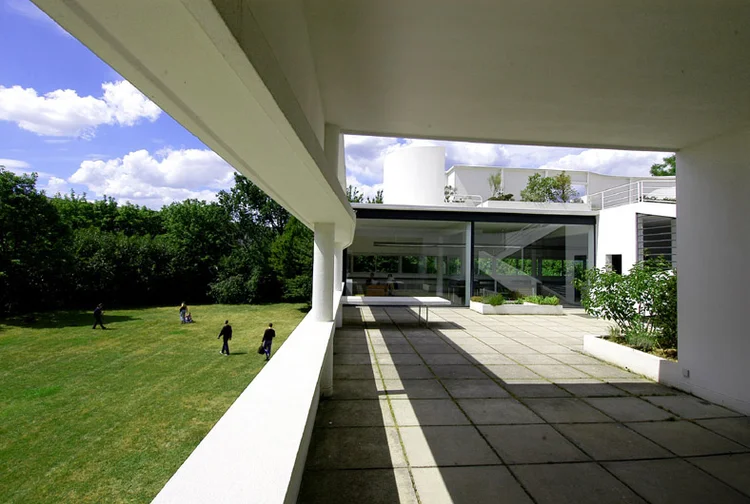
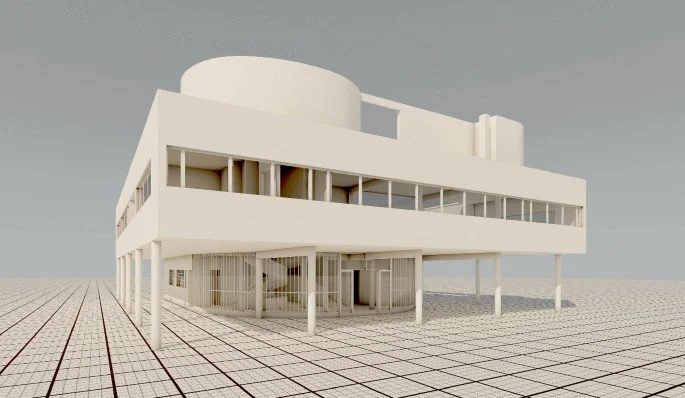
ville savoye, poissy, 1928-31
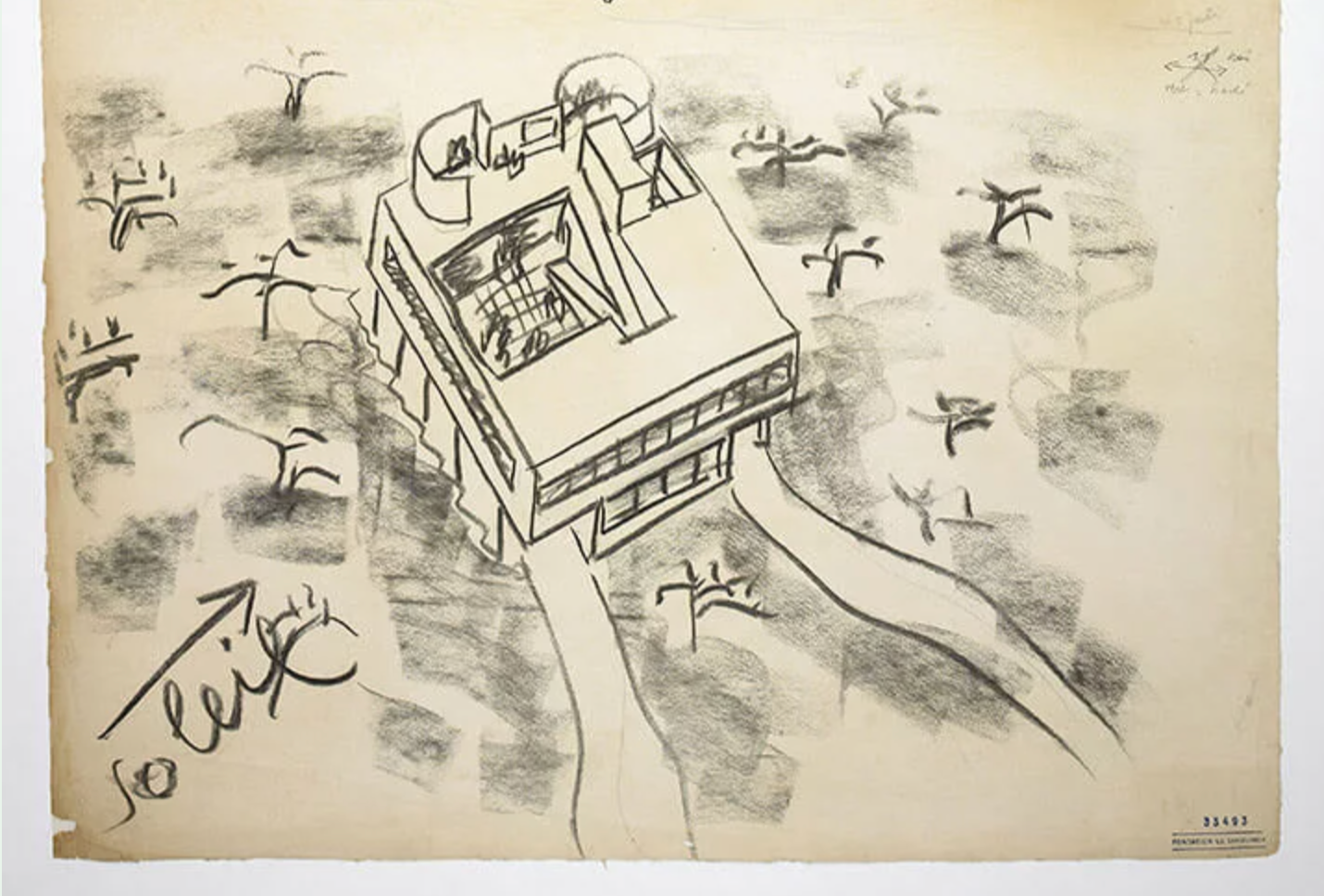
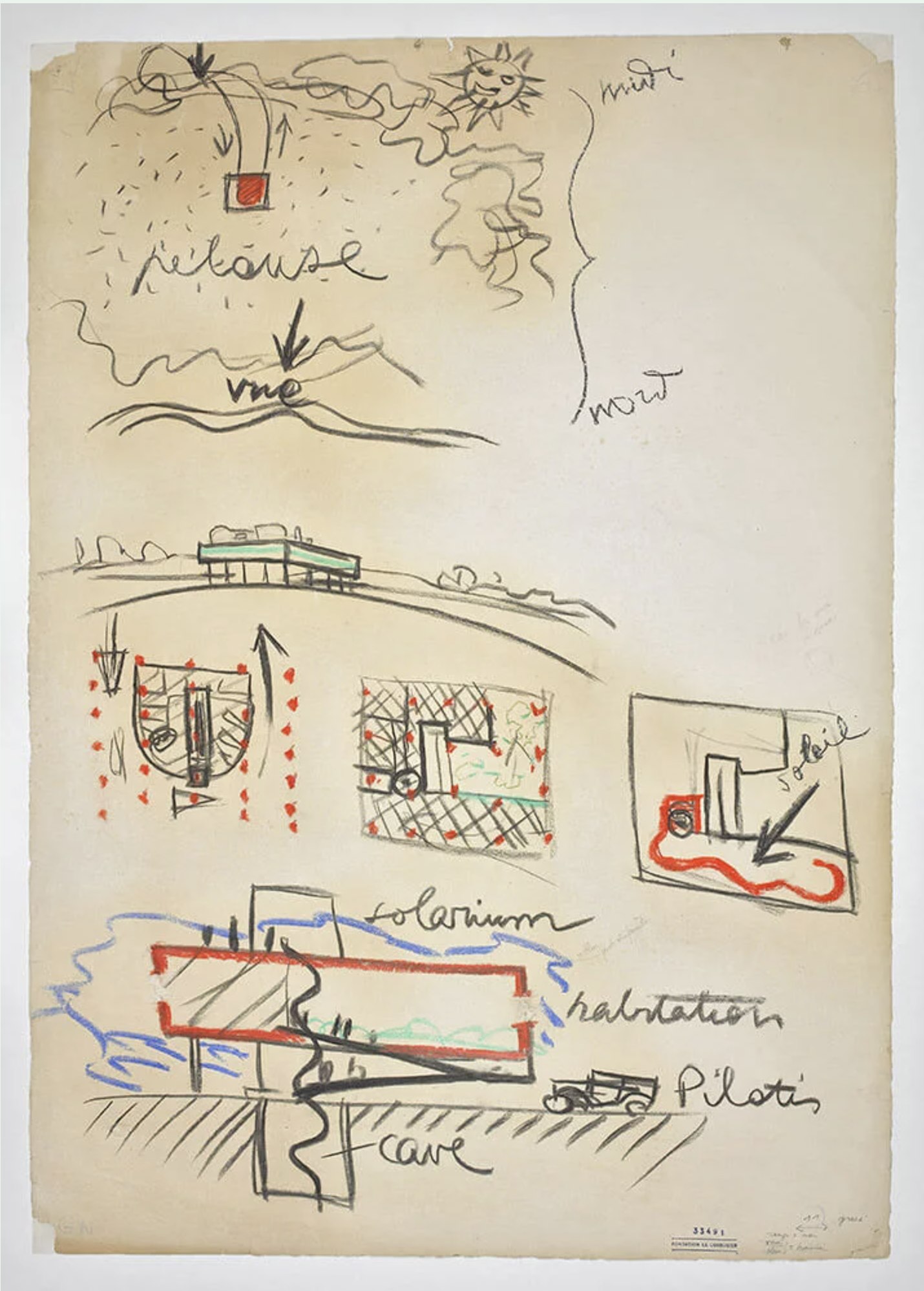
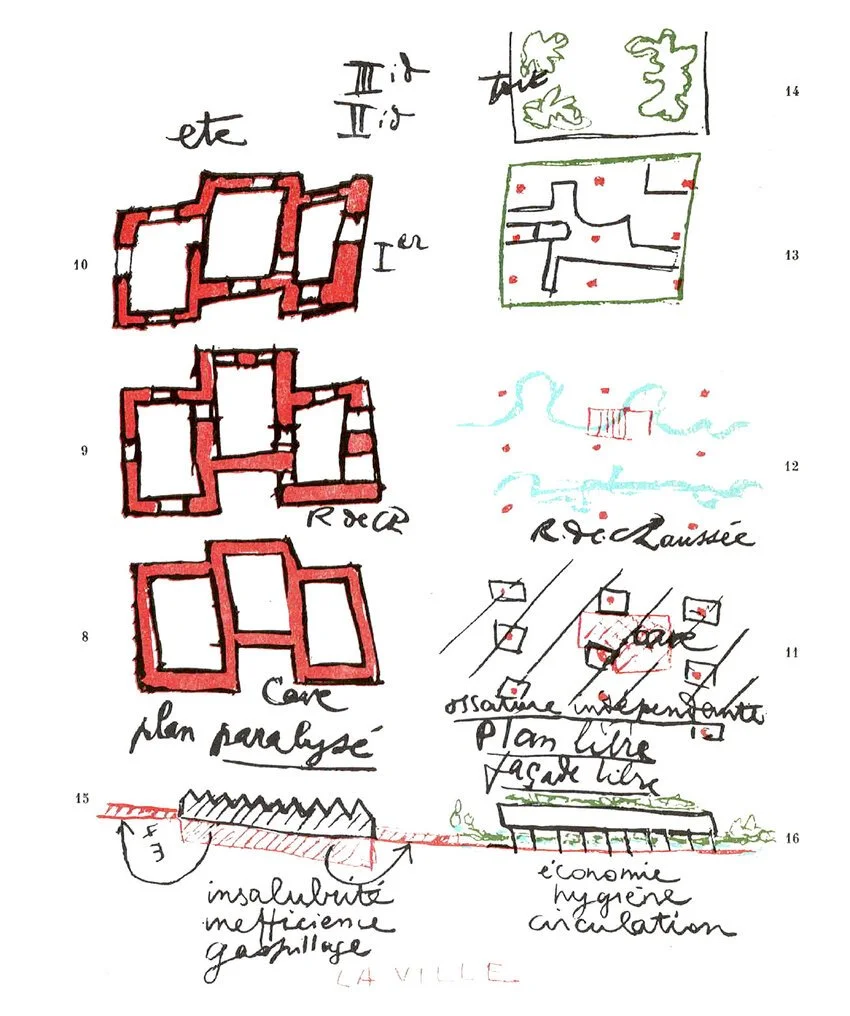
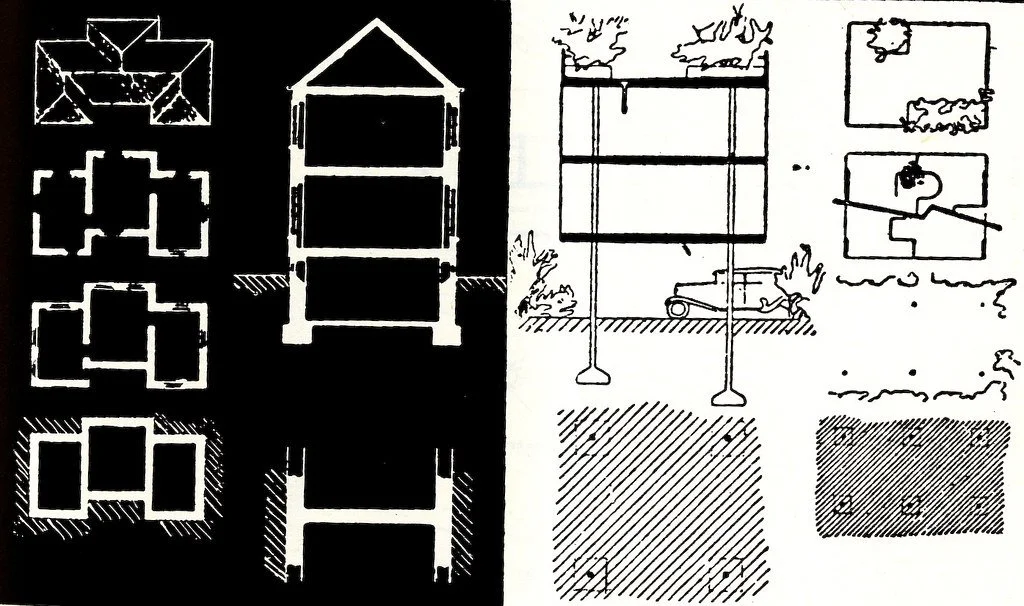
…………….Five Points of a New Architecture were first published as a pamphlet for the Weissenhof Siedlung exhibition in Stuttgart in July 1927. Earlier versions and the underlying ideas had appeared in articles in the artistic magazine L'Esprit Nouveau. The 1927 pamphlet provided the first formal and self-contained declaration of the five points as a codified system of design principles for modern architecture: pilotis (piers), roof garden, free plan, horizontal window, free façade……………
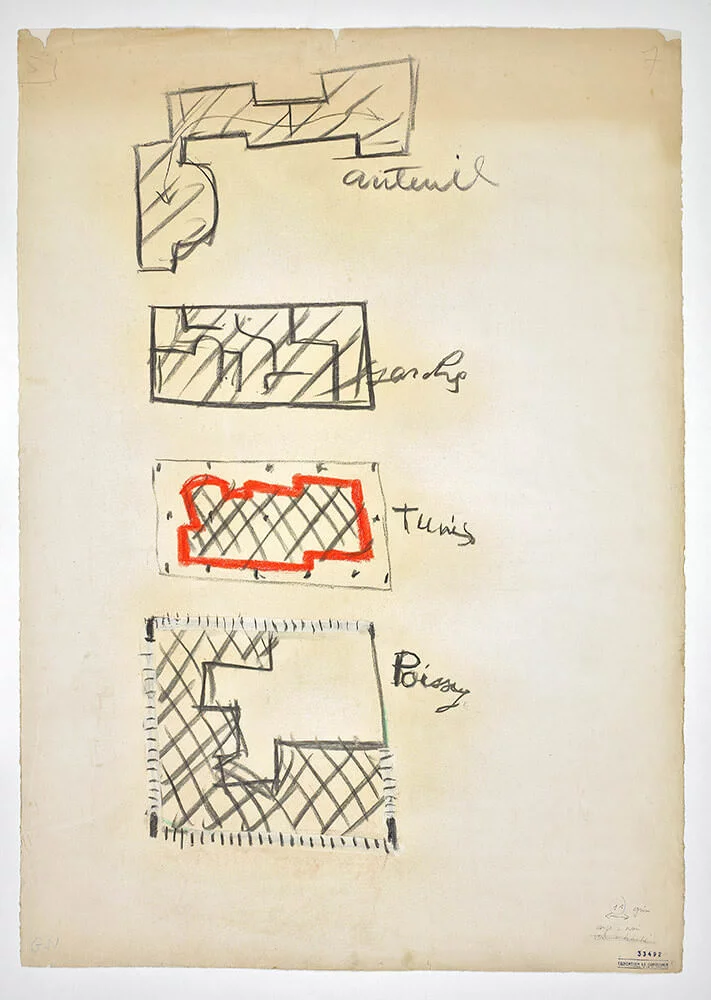
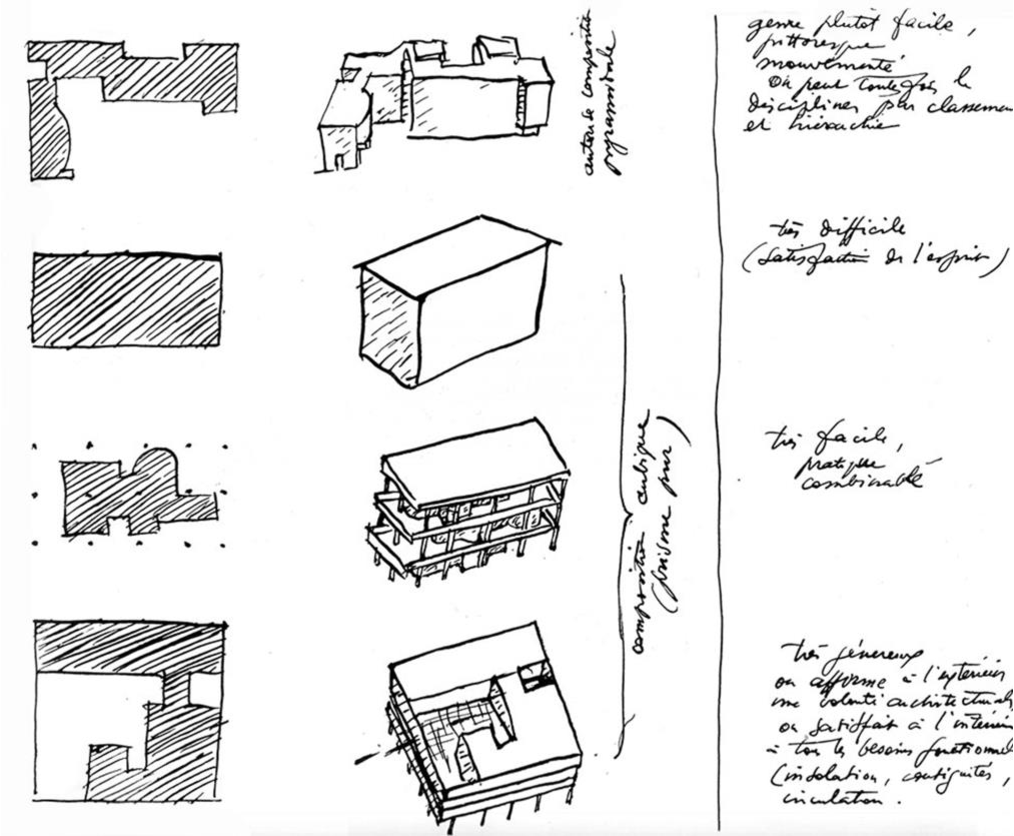
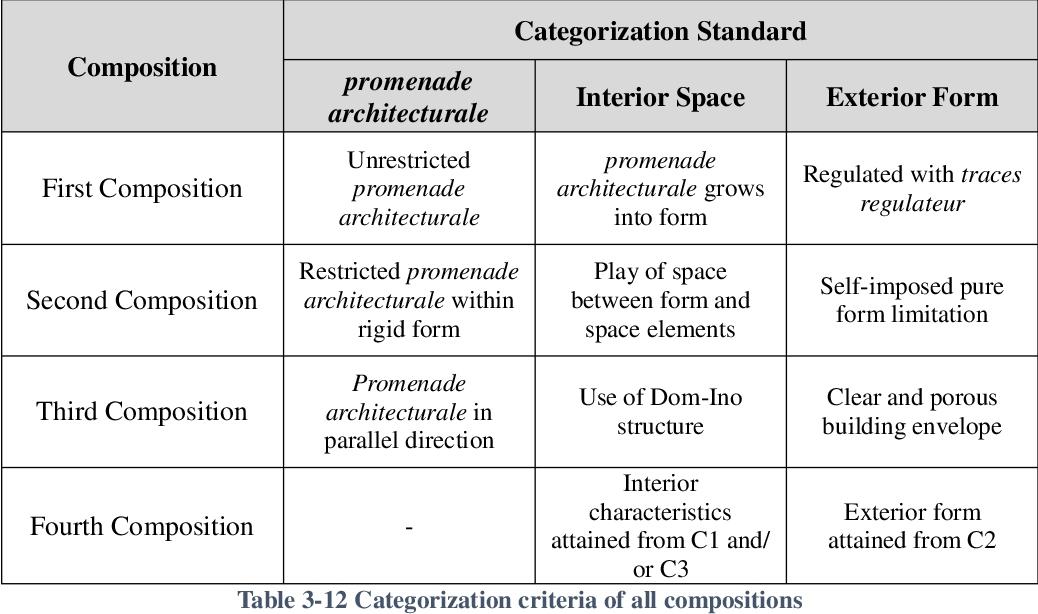
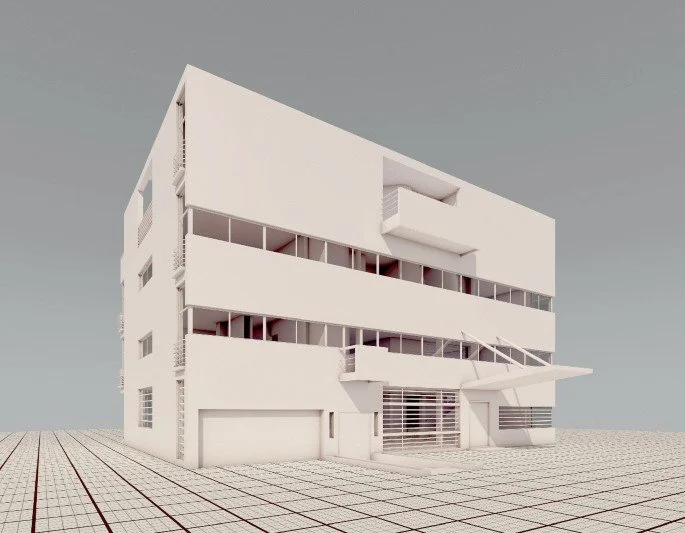
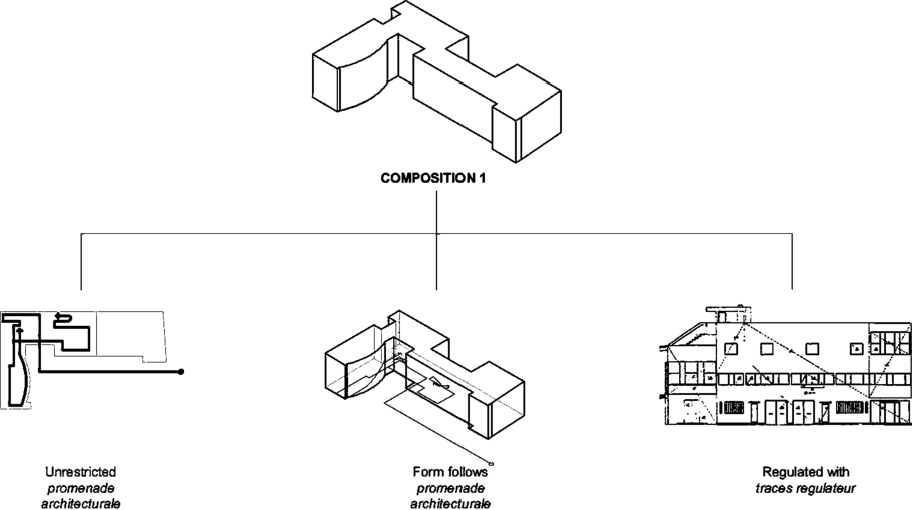
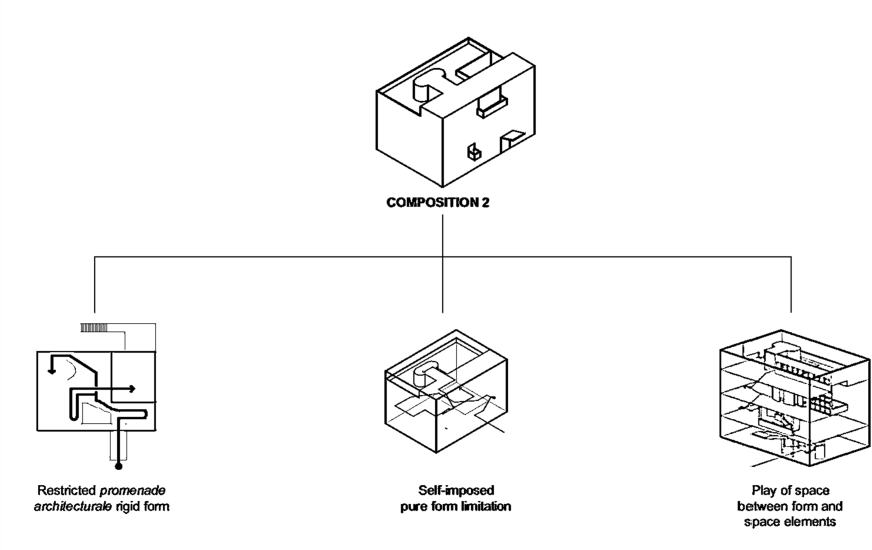
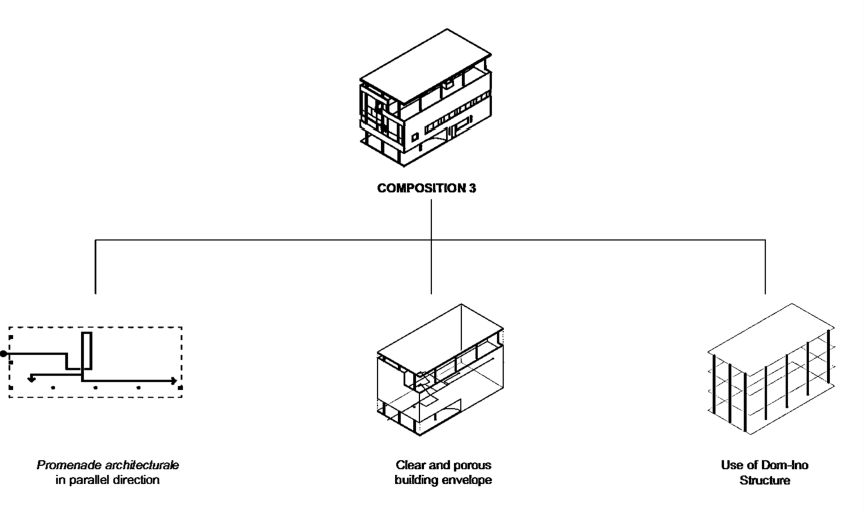
……………..sketches comparing Maison La Roche/Jeanneret, Villa Baizeau at Carthage, Villa Stein at Garches, and Villa Savoye.……..…1: Described as a "picturesque movement disciplined by classical hierarchy." Villa La Roche (1923); 2: Described as a "cubic prism" that is "very difficult" to achieve but provides "spiritual satisfaction." Villa Stein (1927); 3: Described as an "open volume" that is "very easy, practical, and combinable." Villa Baizeau in Carthage (1928–30); 4: Described as a "very generous" composition with an "excavated volume" that defines the external architectural will and satisfies interior functional needs for light, continuity, and circulation. Villa Savoye (1929)…………..The Villa Savoye fused together the asymmetry, spatial drama and promenade architecturale of the first, with the skeletal character of the second, and the geometrical clarity of the third…………It combined the square, the grid, the axis, the frontal plane and a turbulent drama of interior and exterior spaces, volumes and surfaces; and it managed to play these together while maintaining unity, hierarchy and an appropriate level of detail…………..
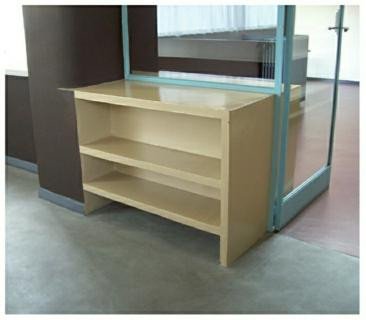
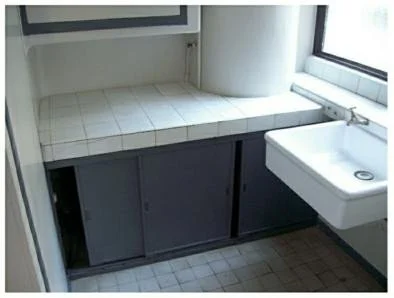
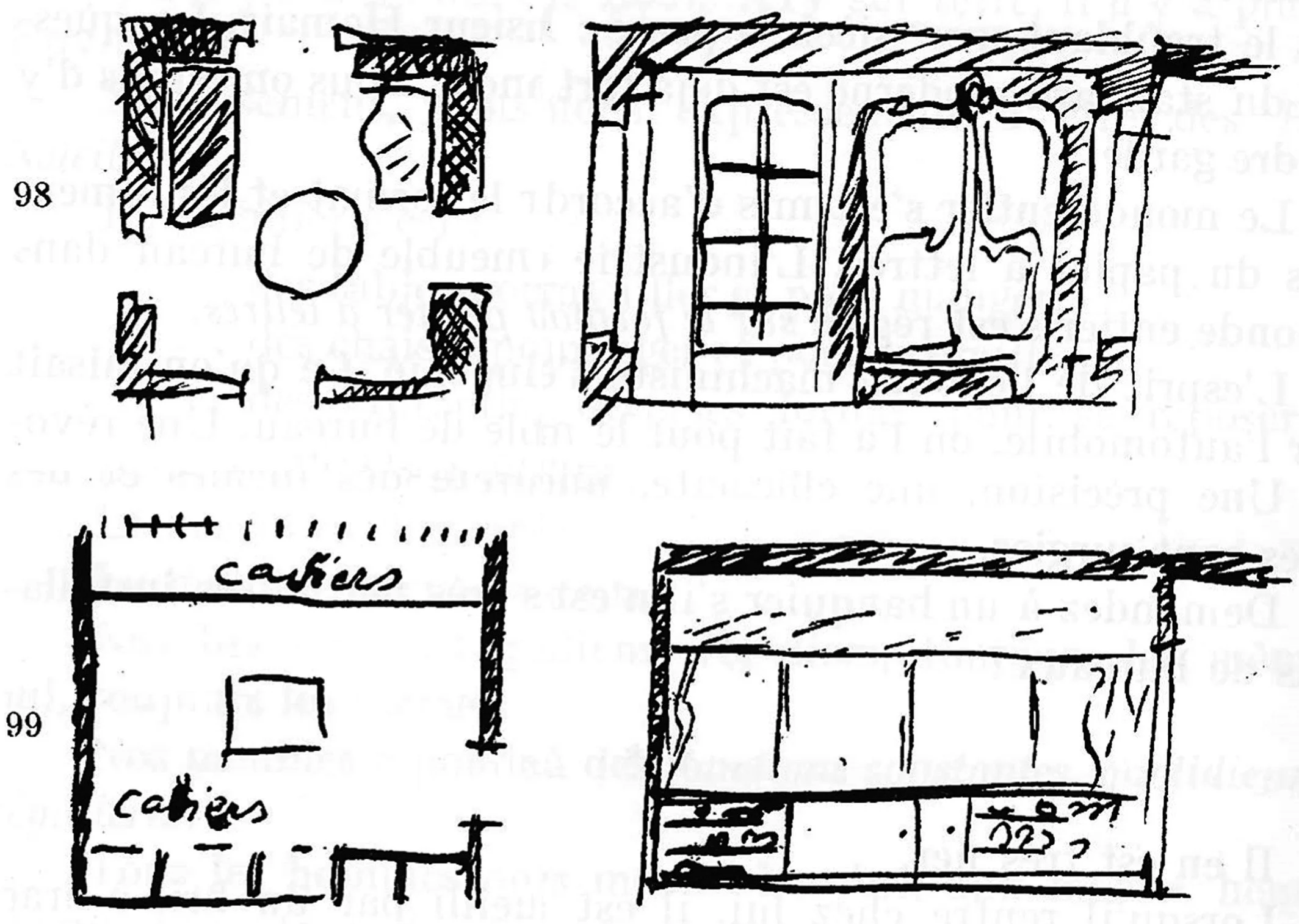
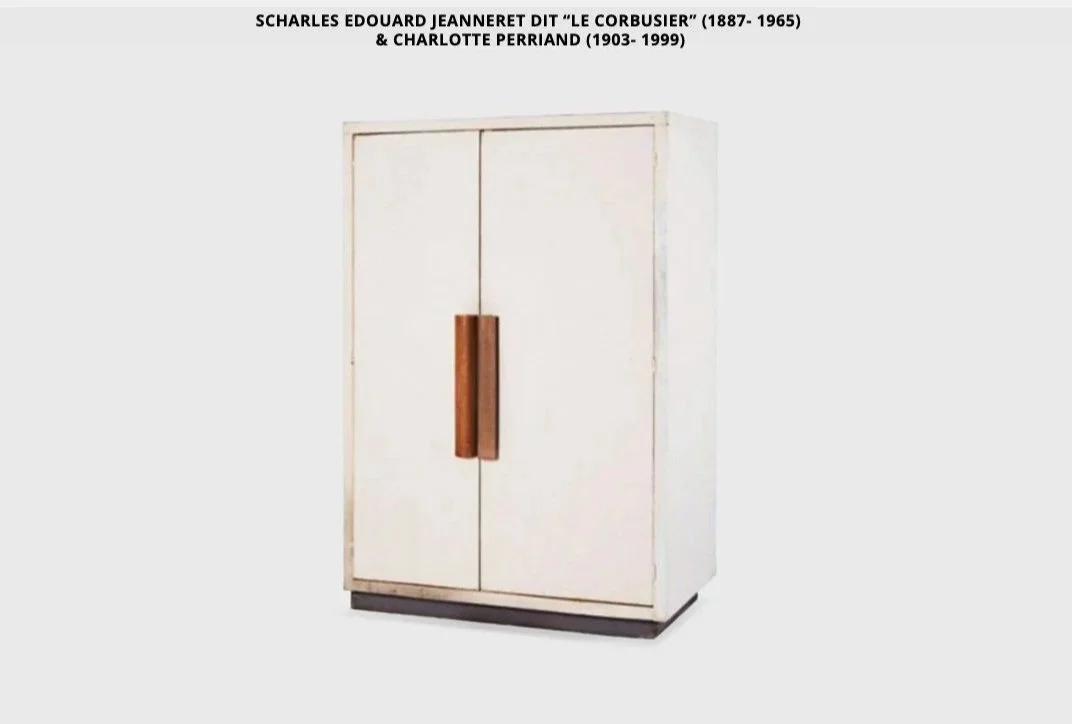

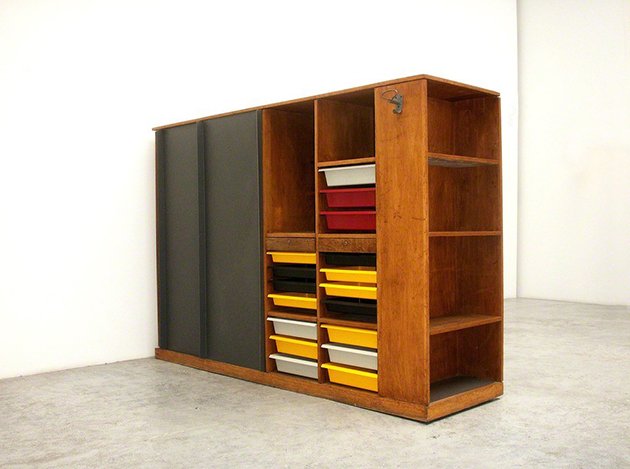
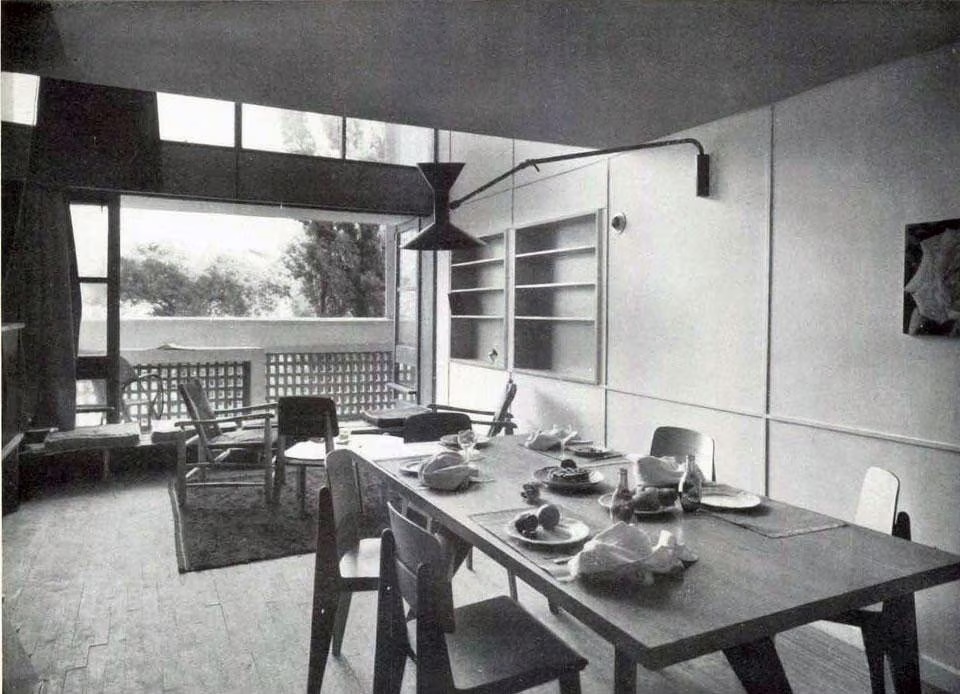
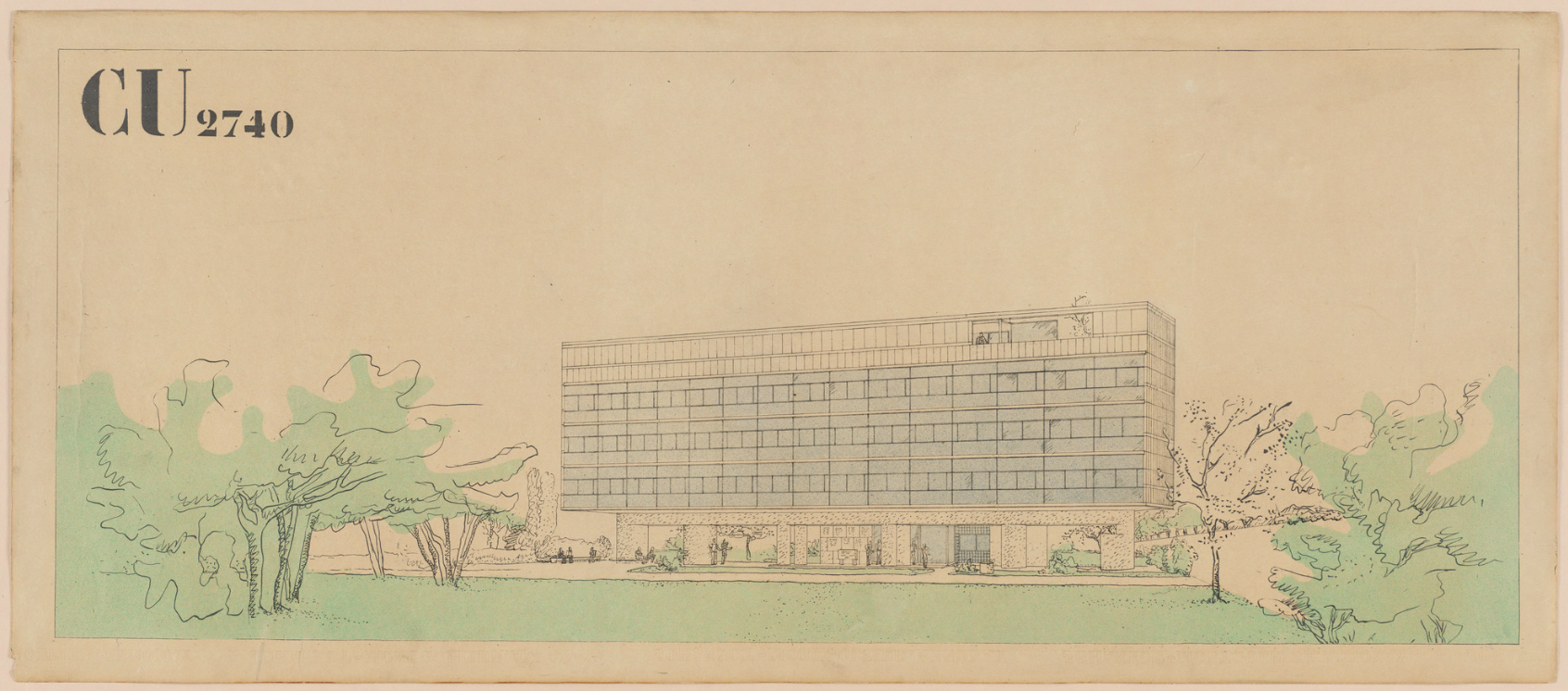
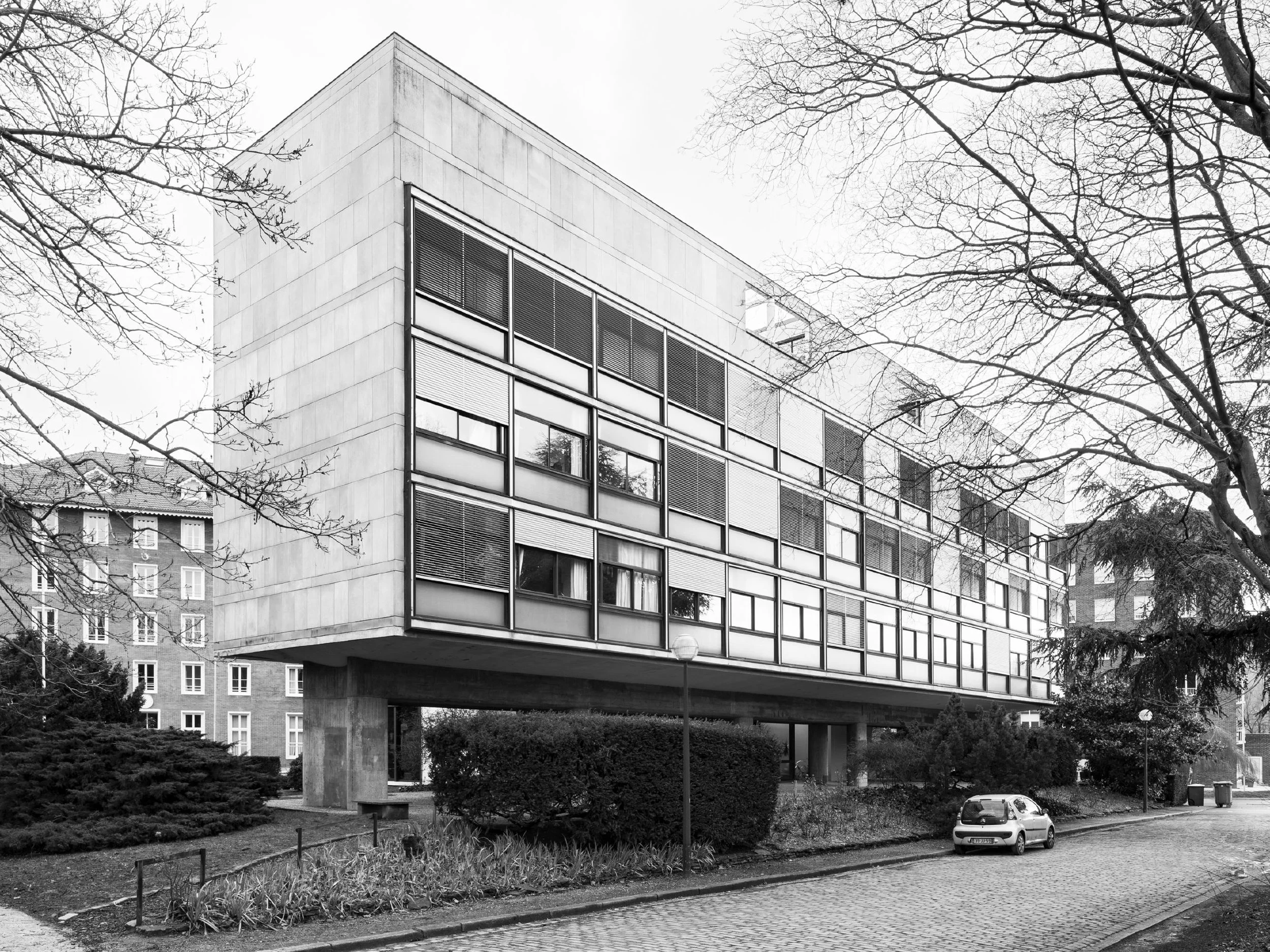
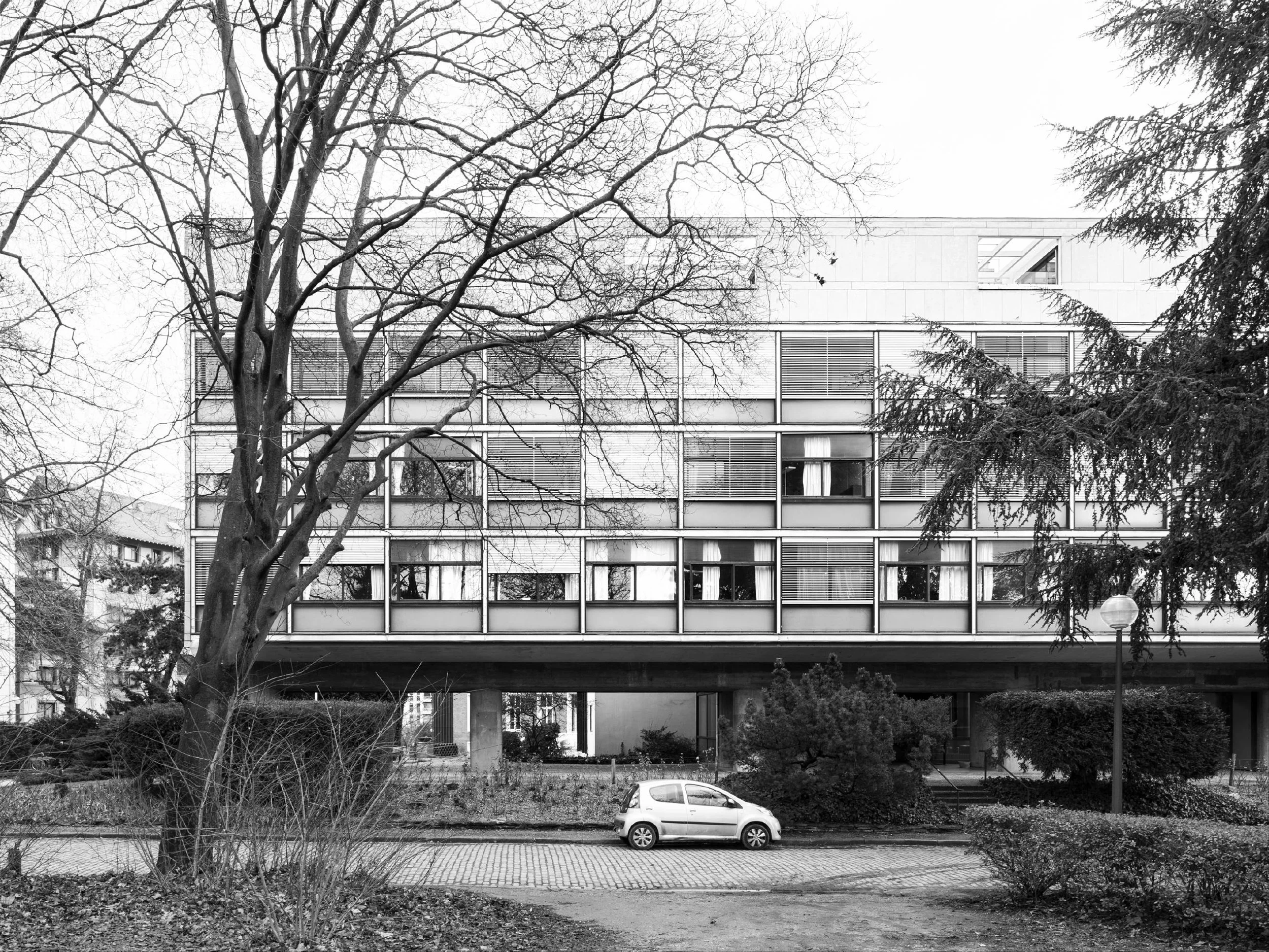
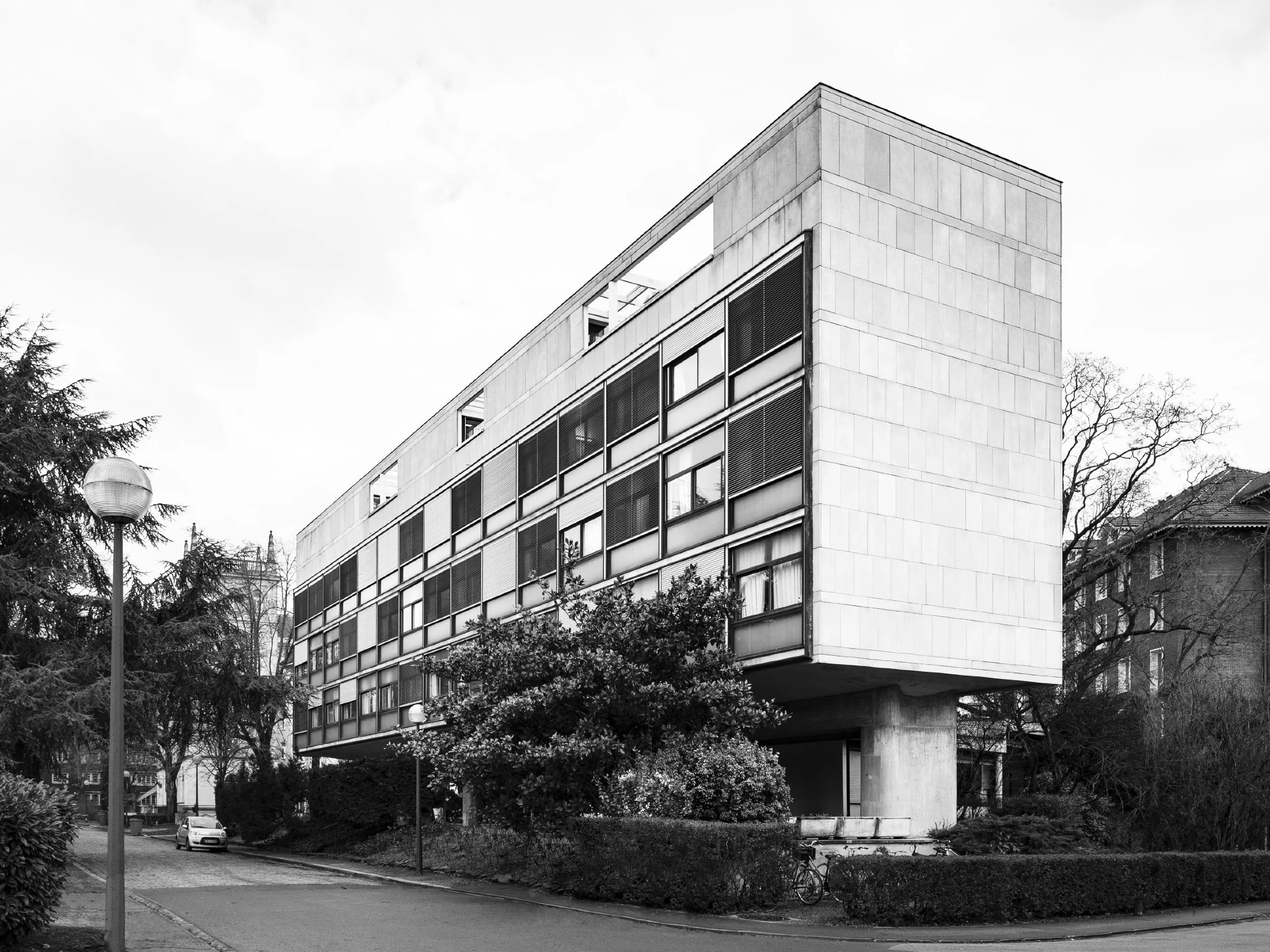
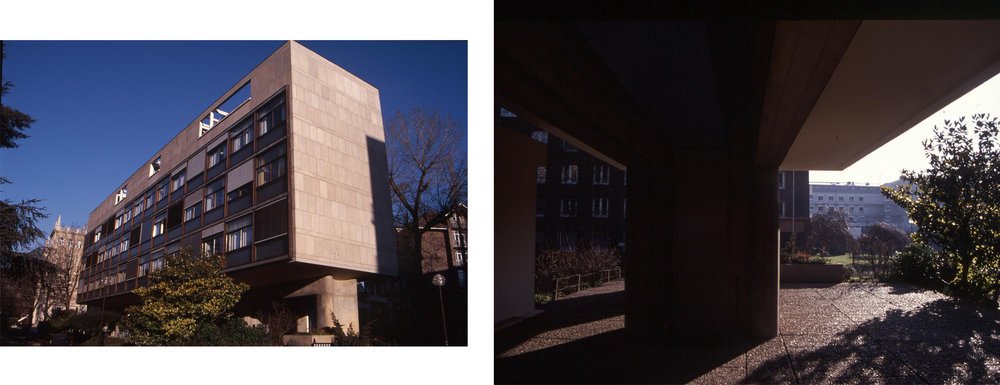
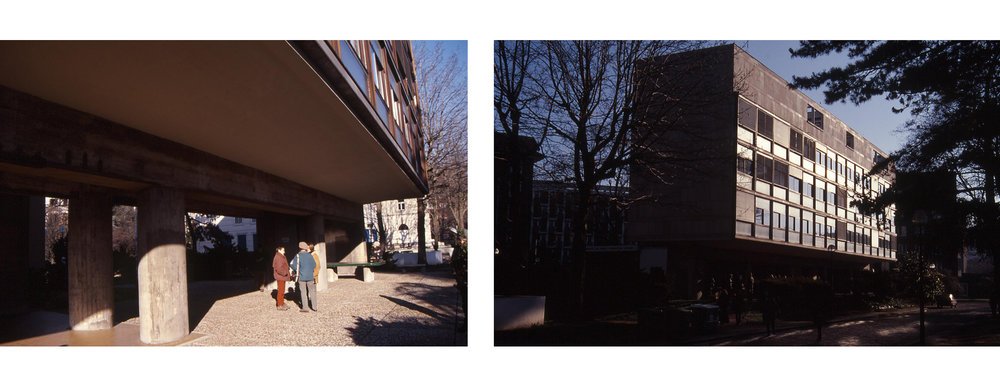
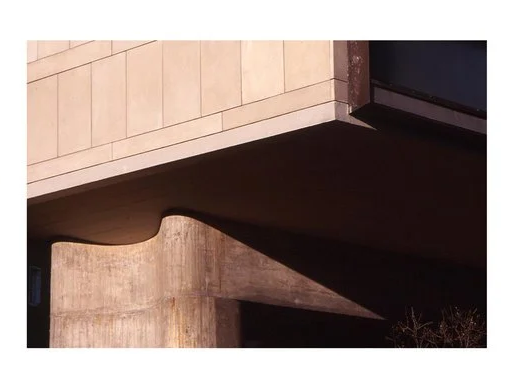
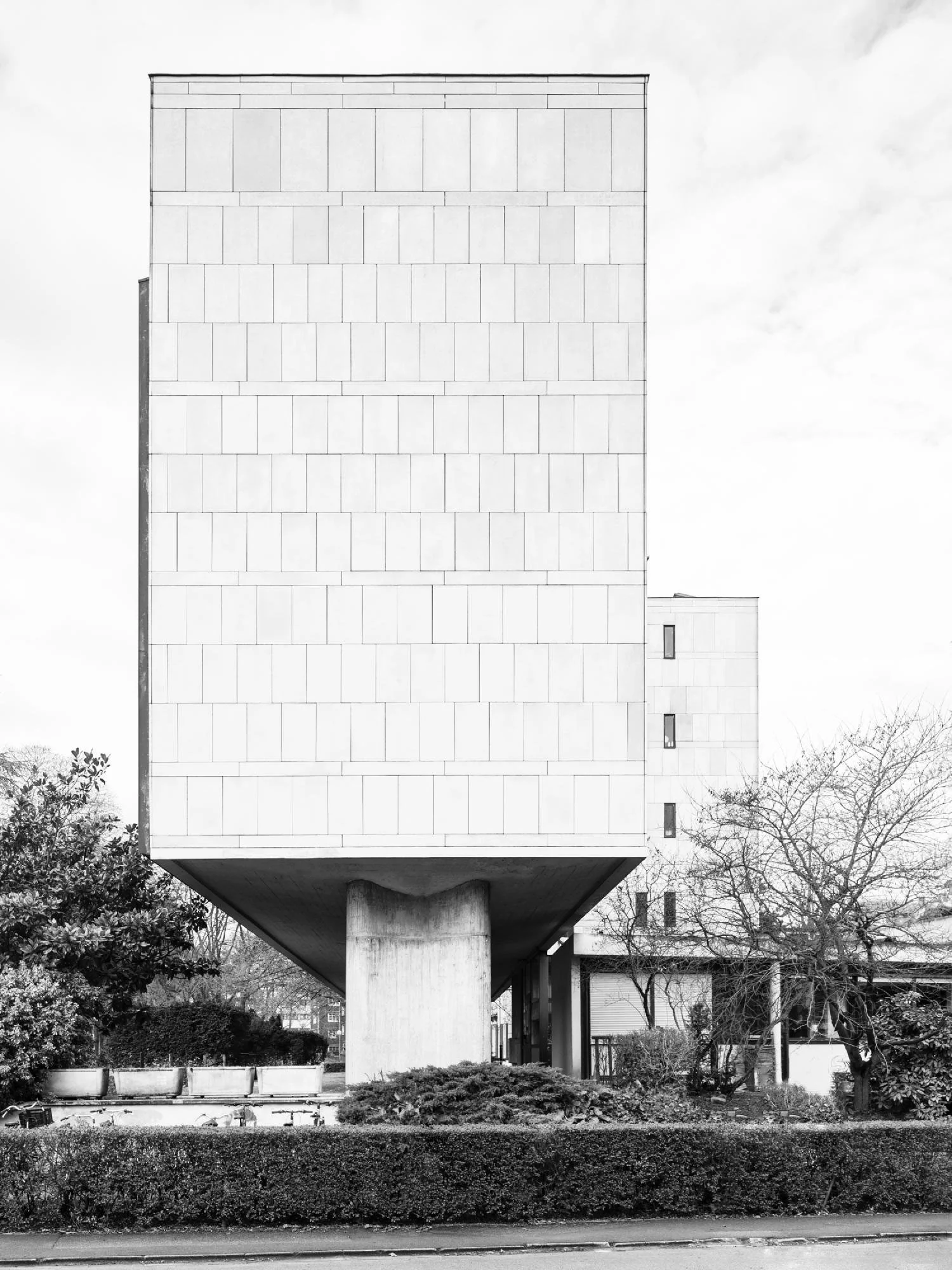
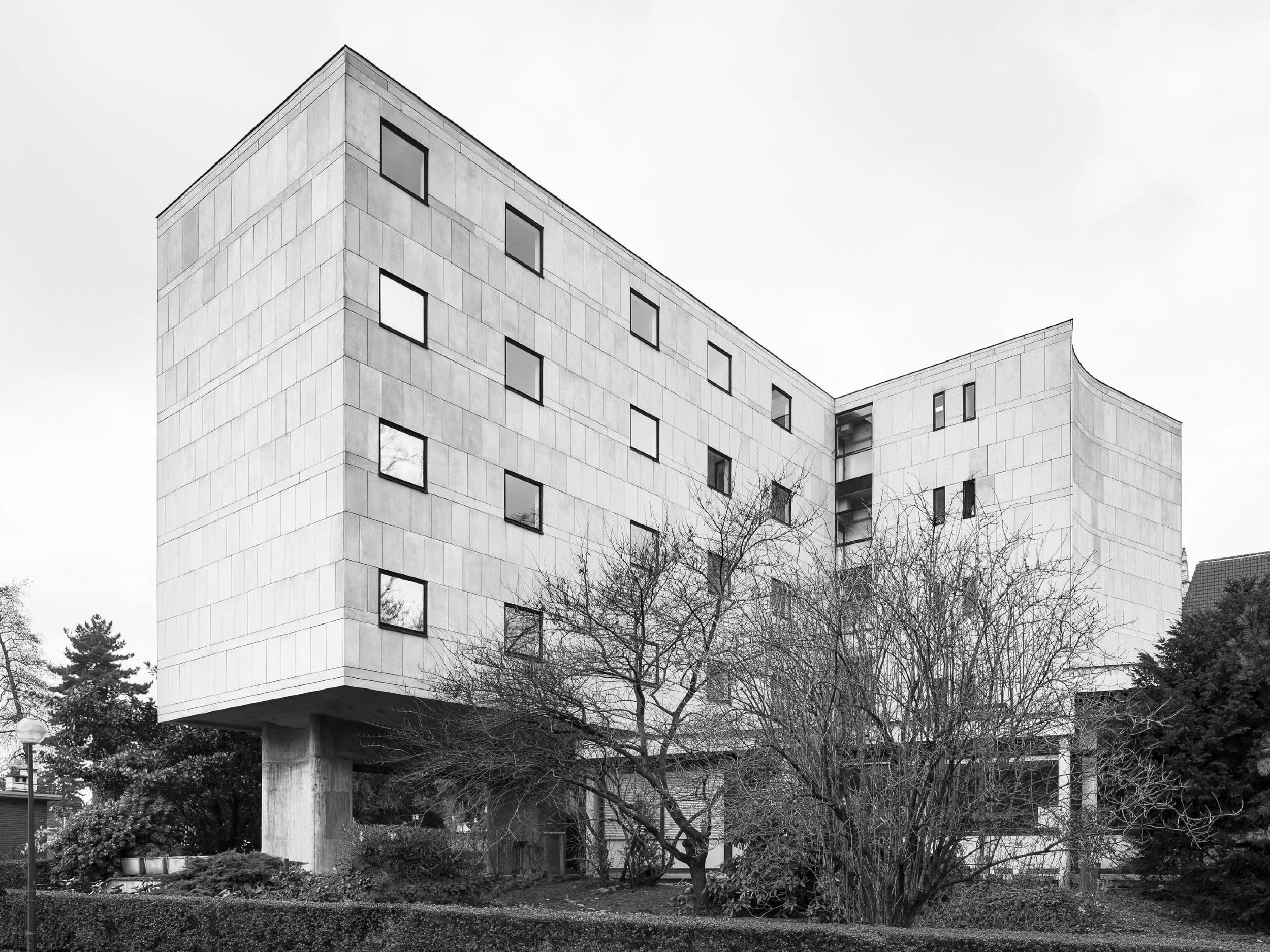
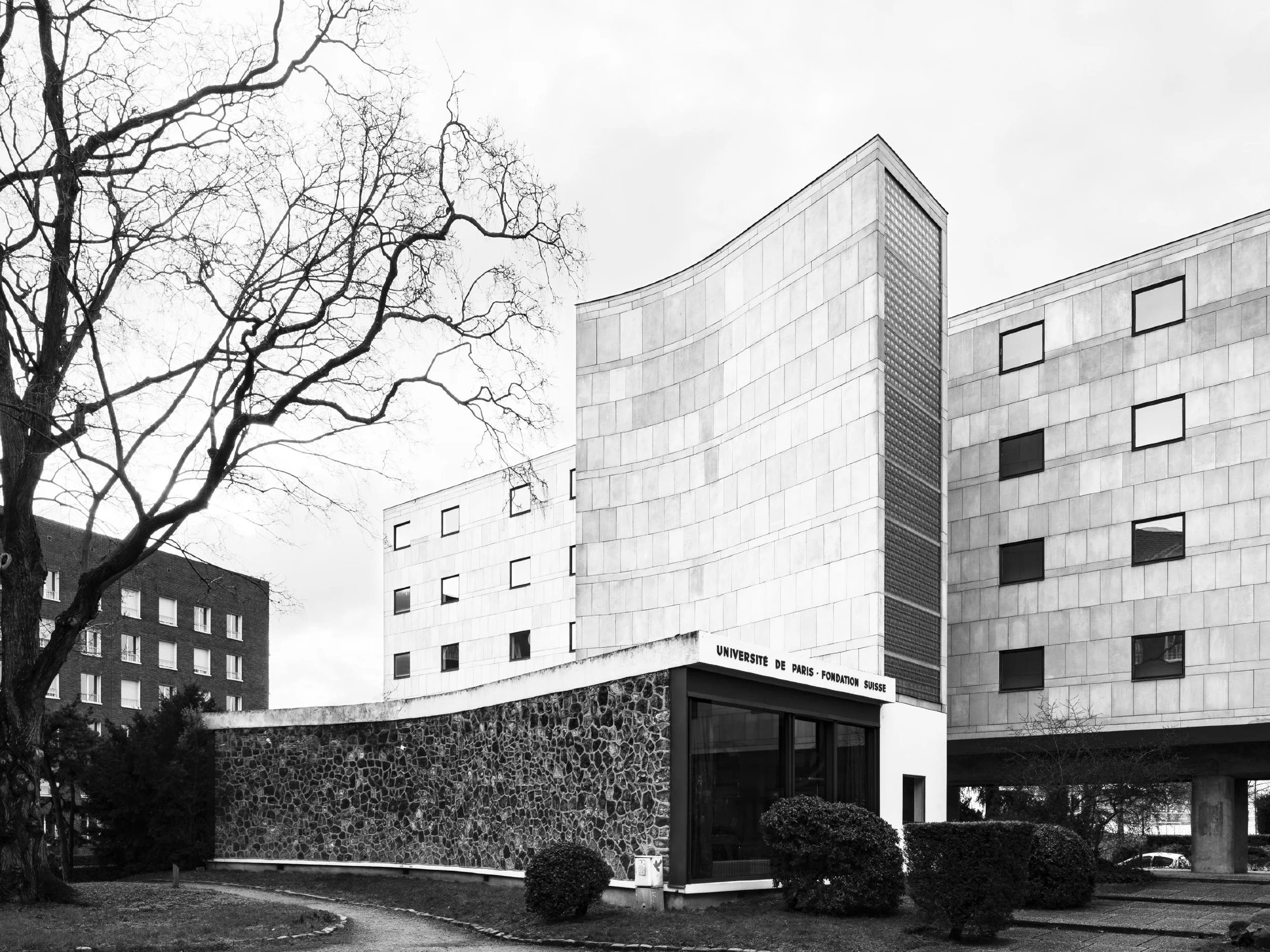
Swiss Pavilion, Cité internationale universitaire de Paris, 1932


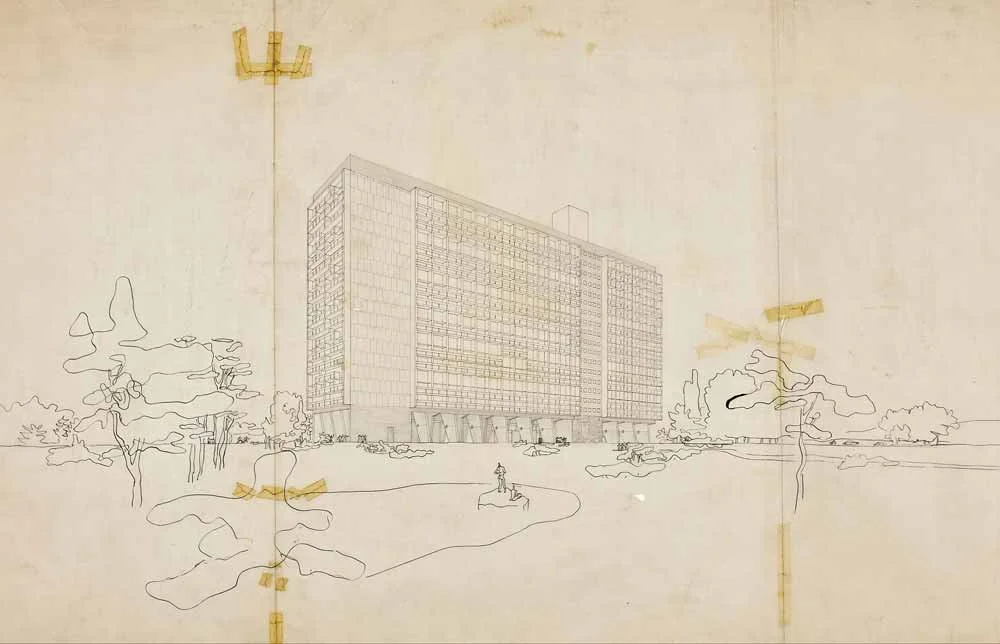
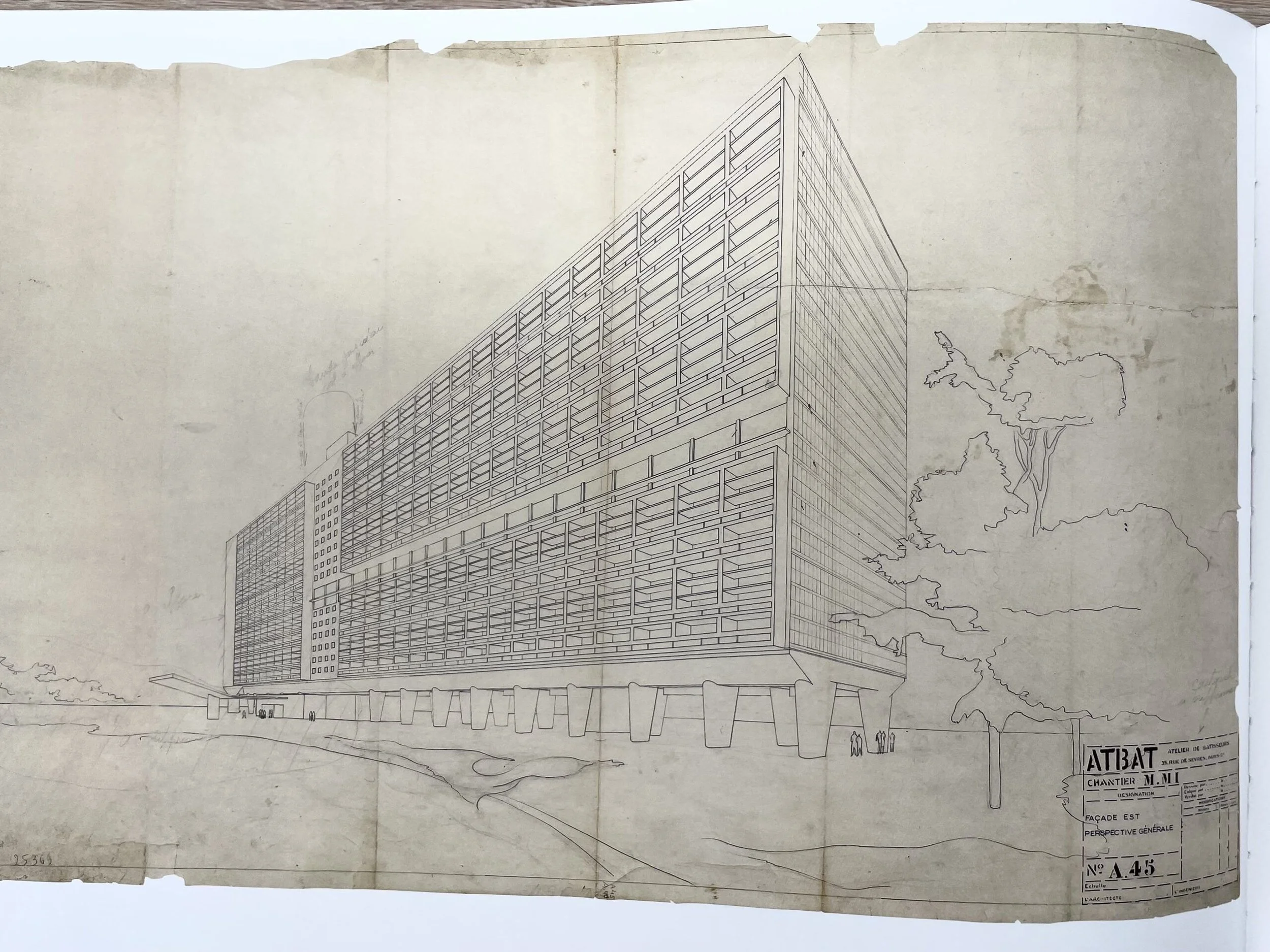
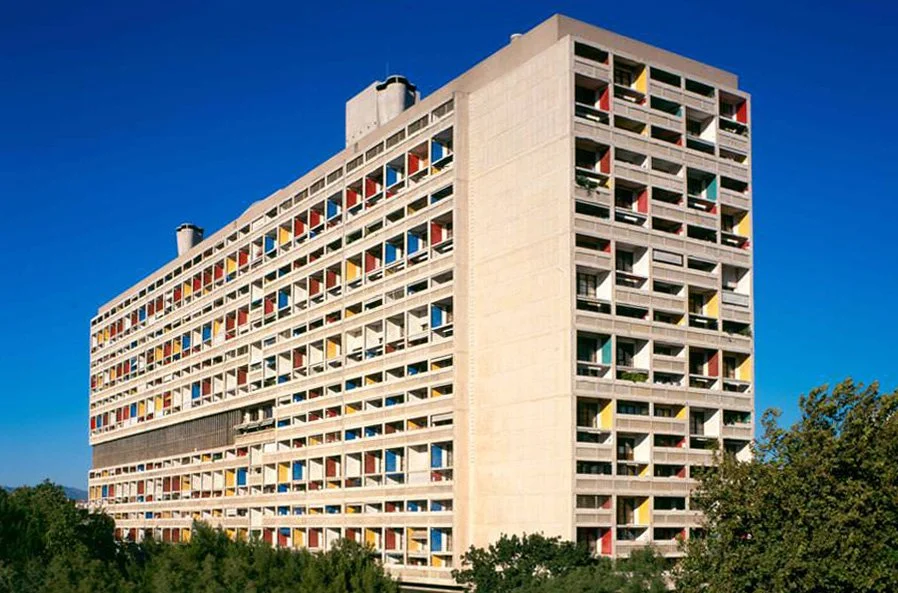
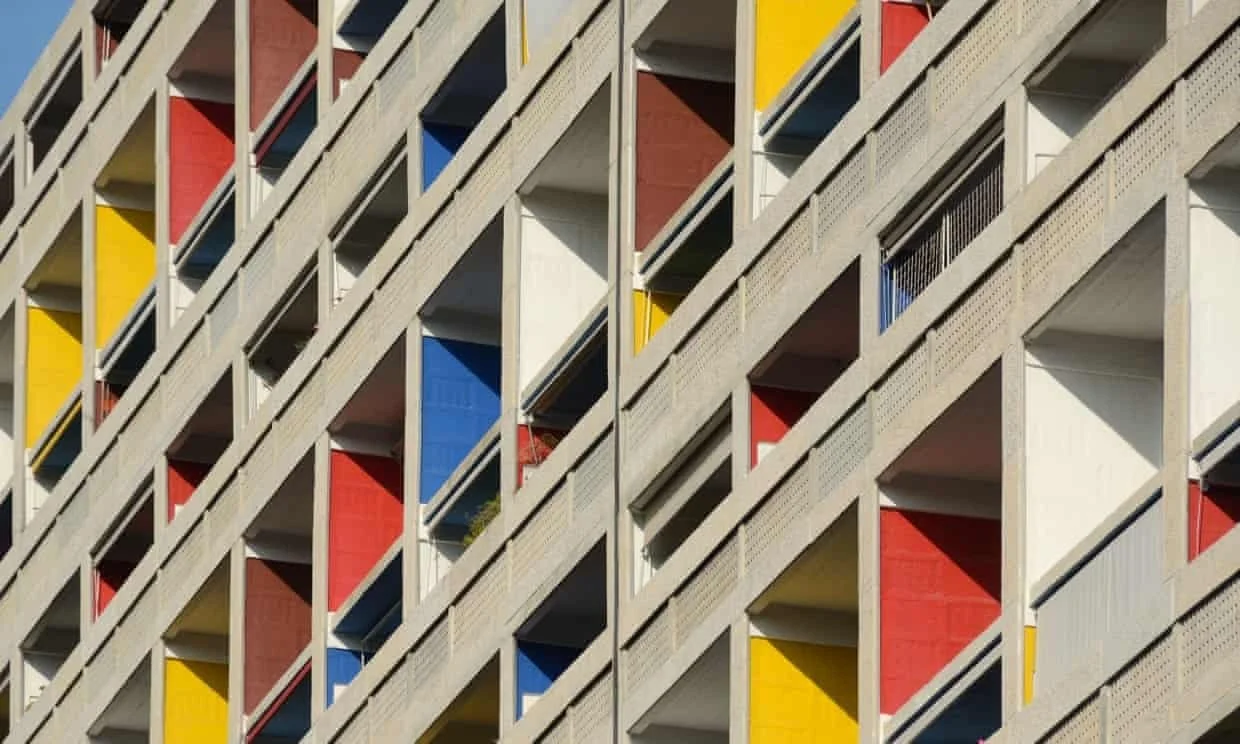
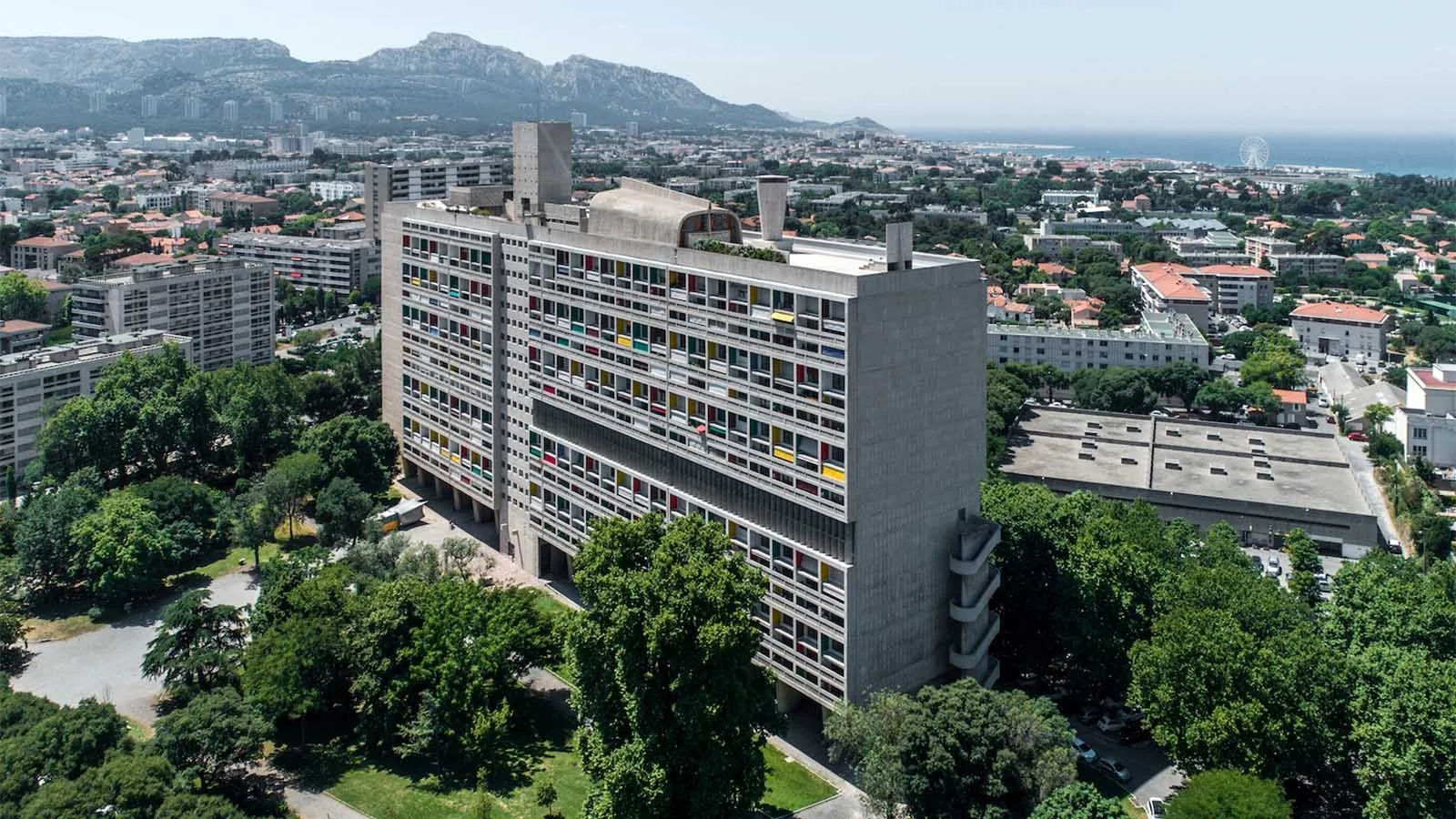


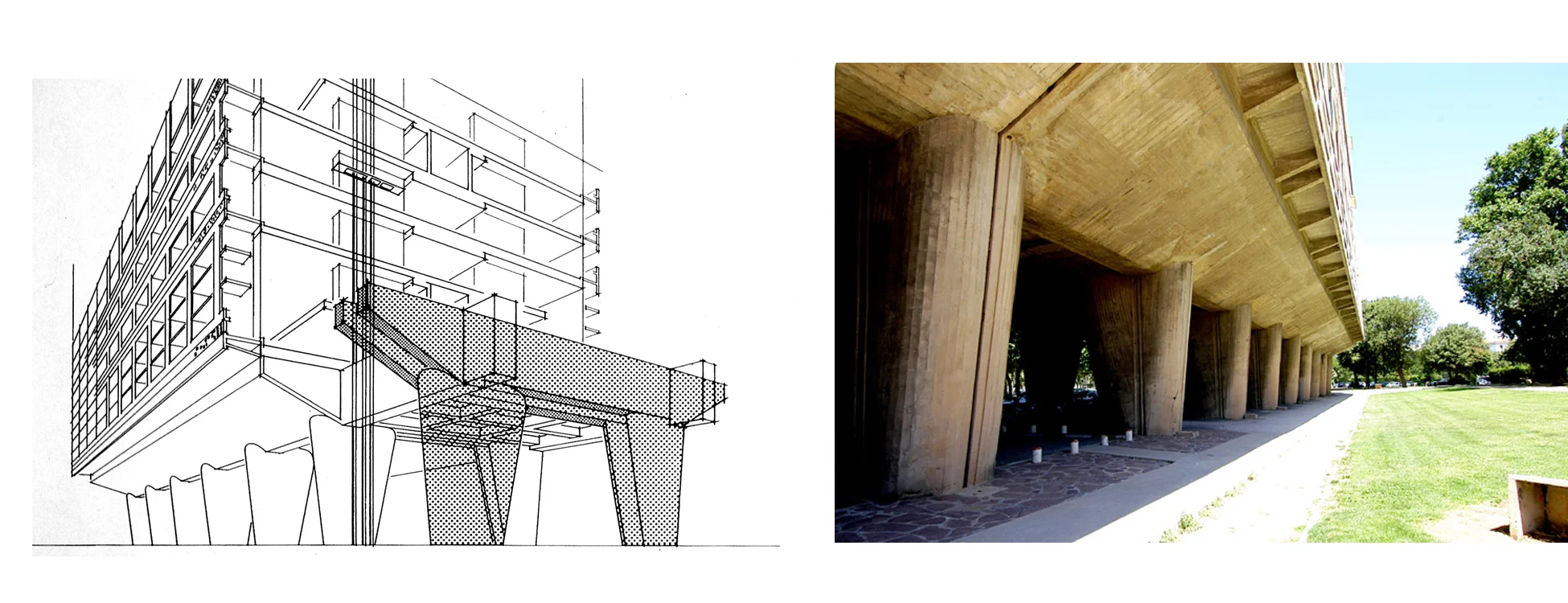


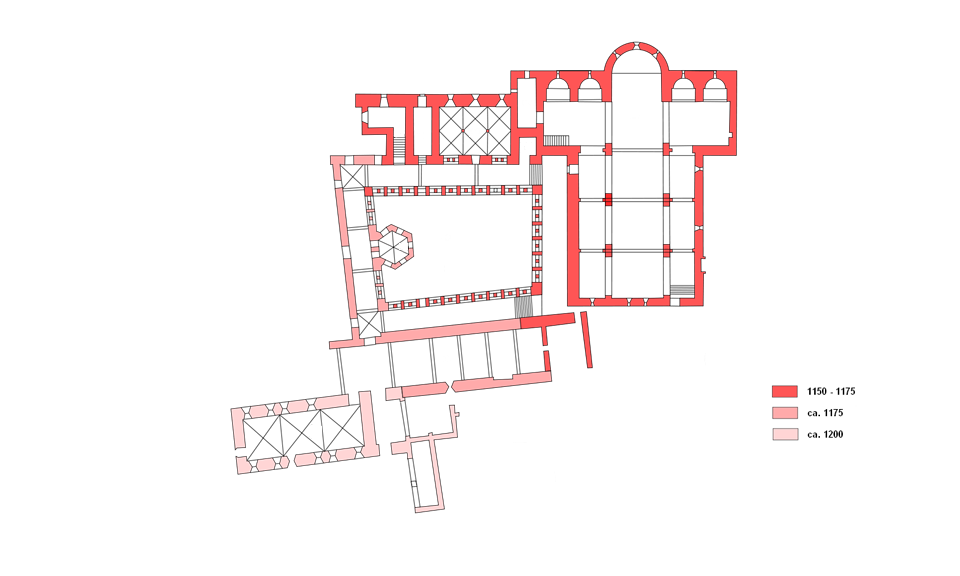
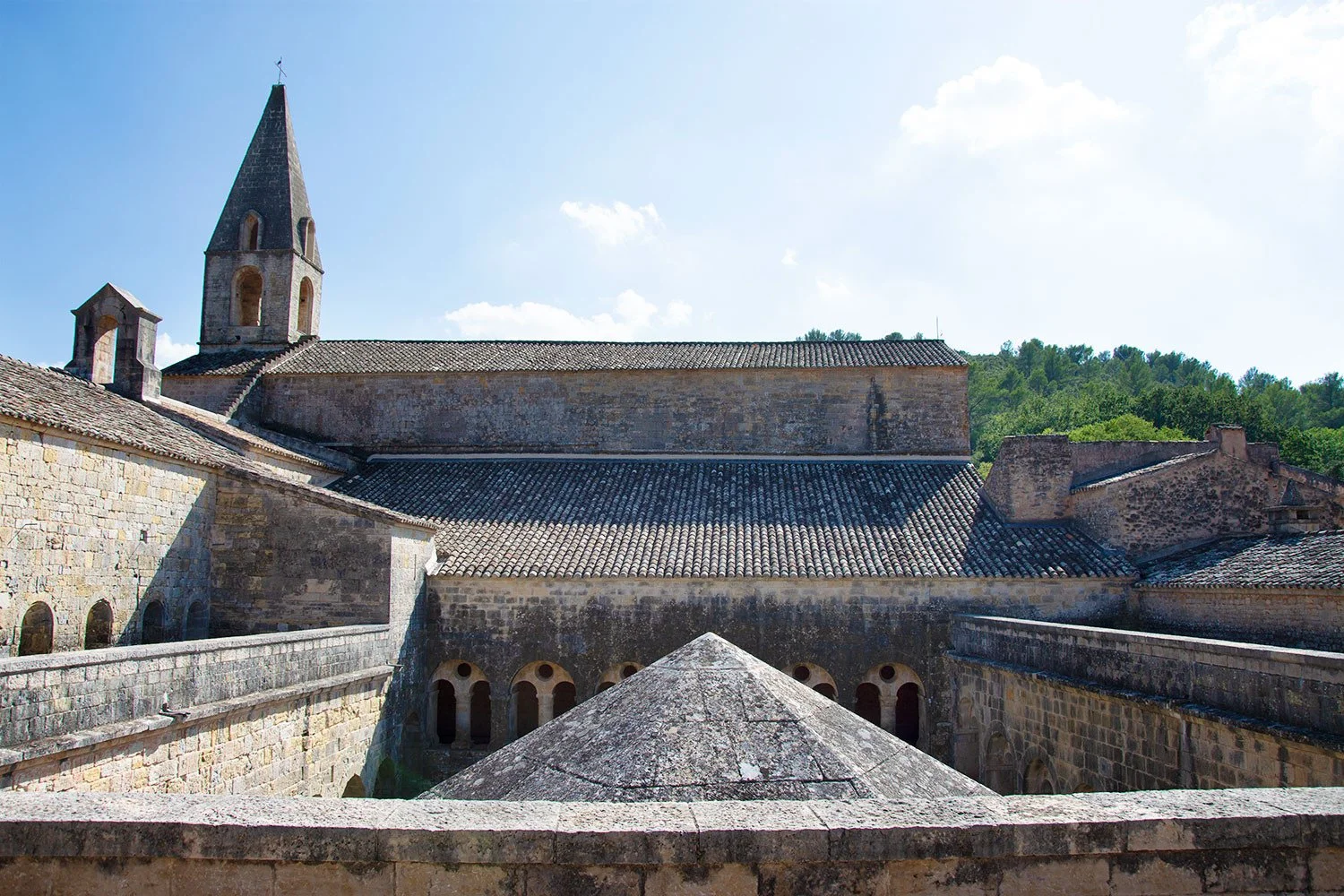
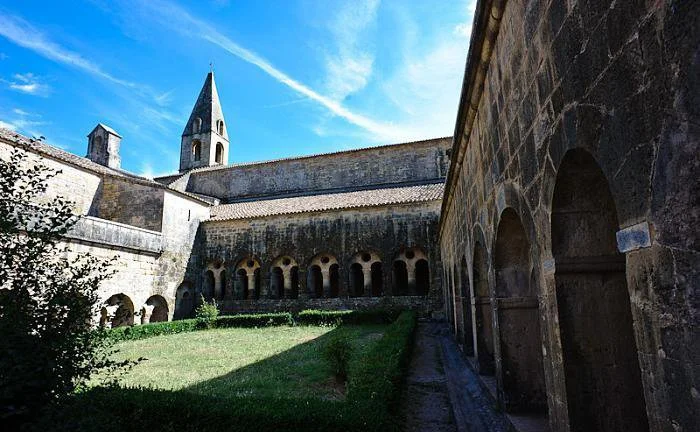
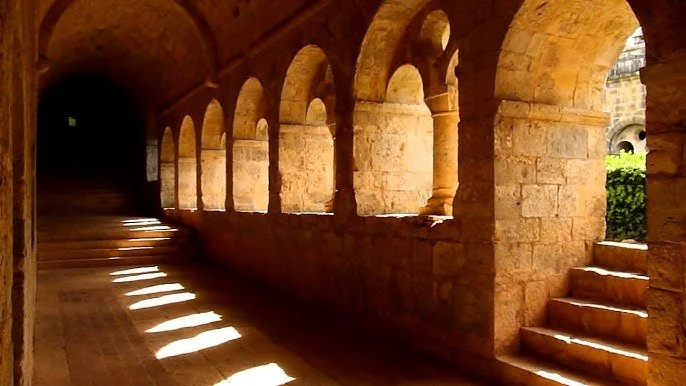
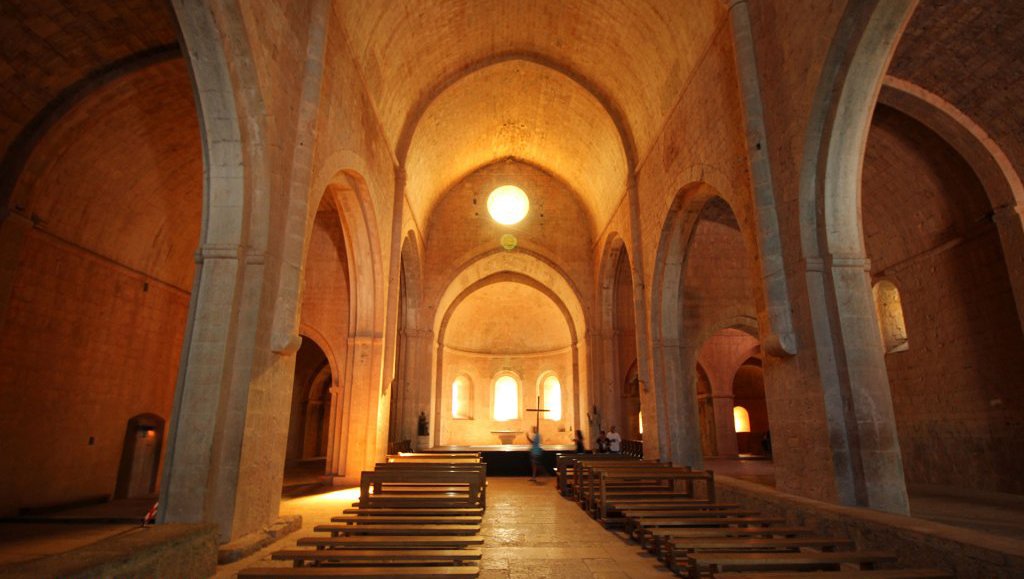
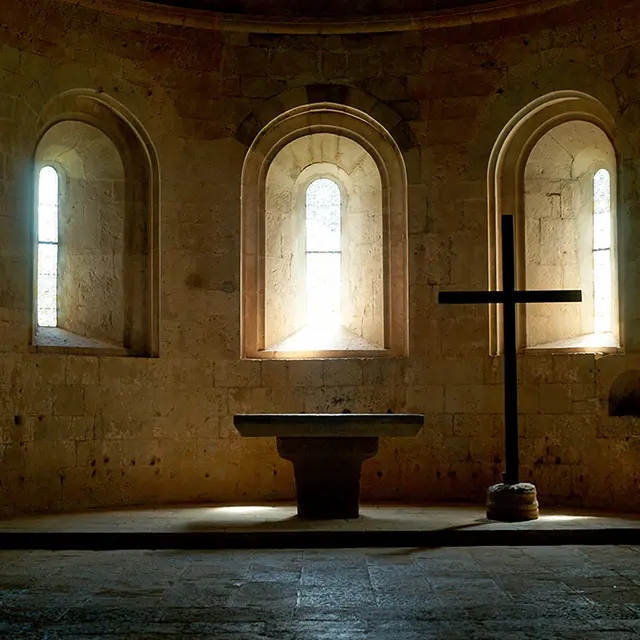
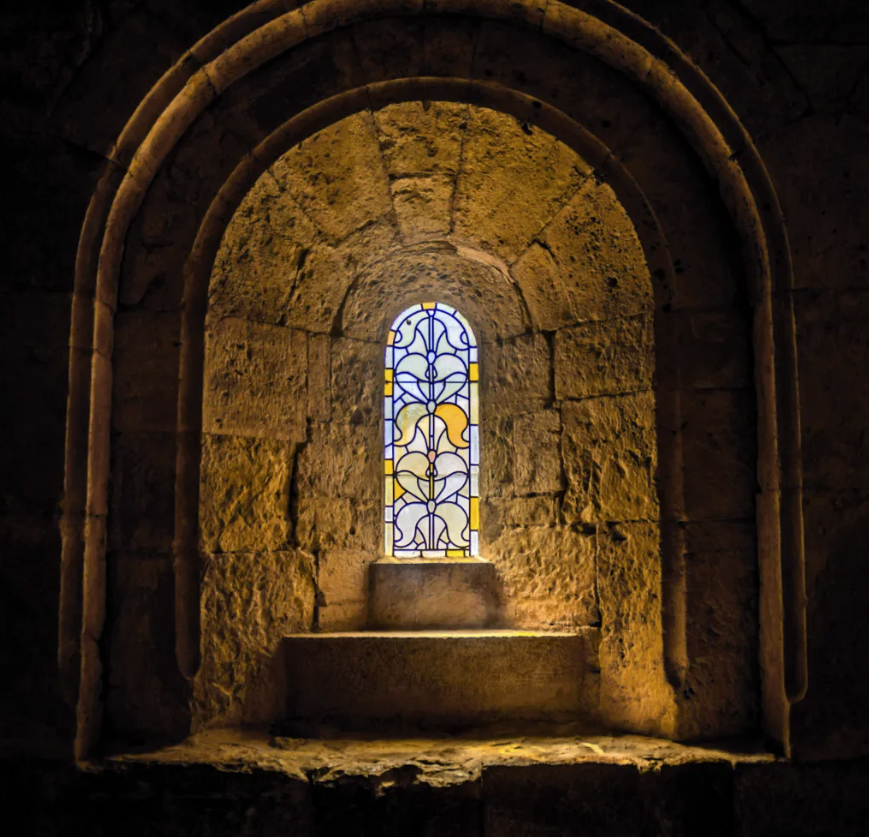
L'abbaye du Thoronet
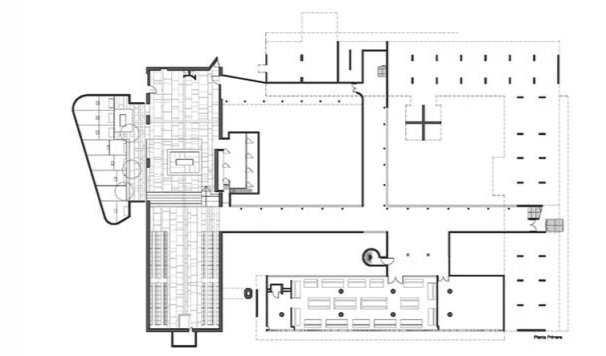
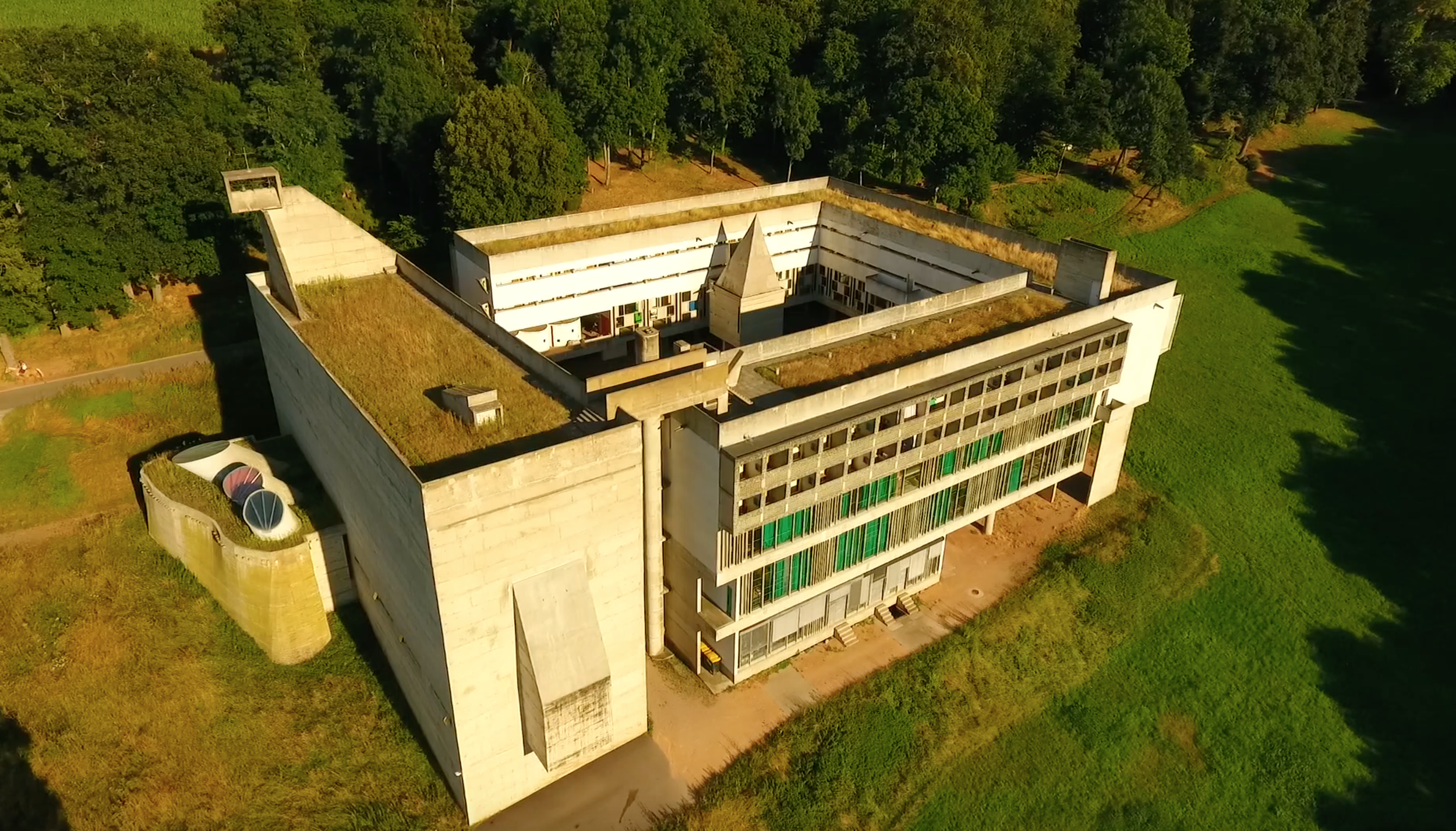
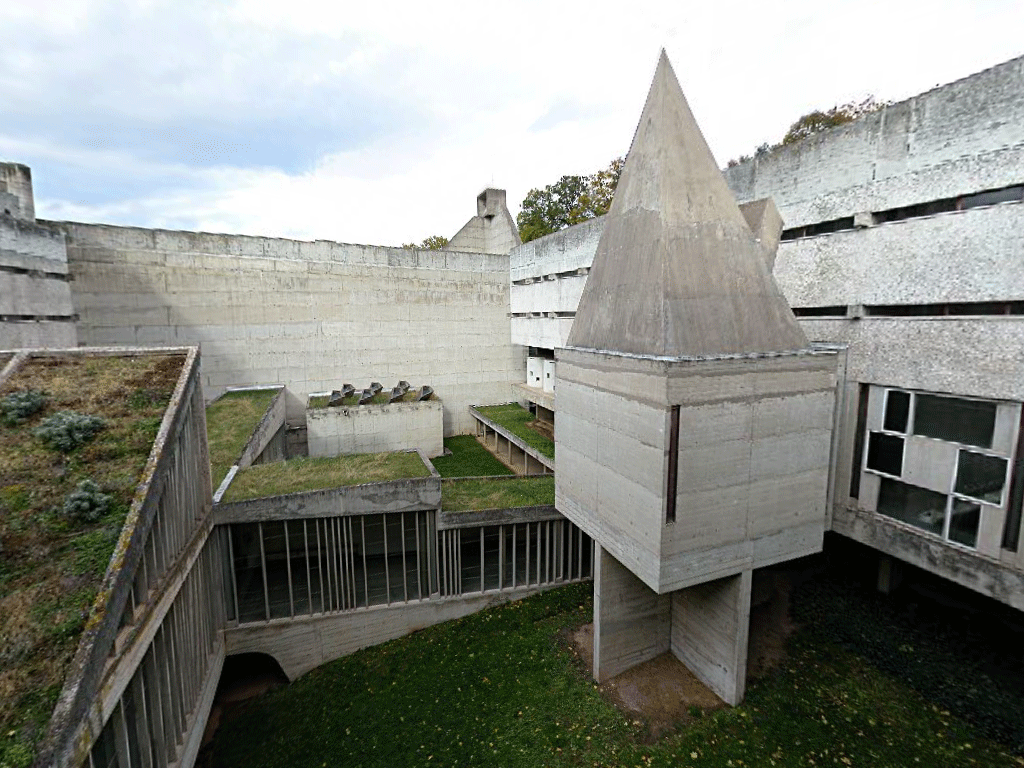

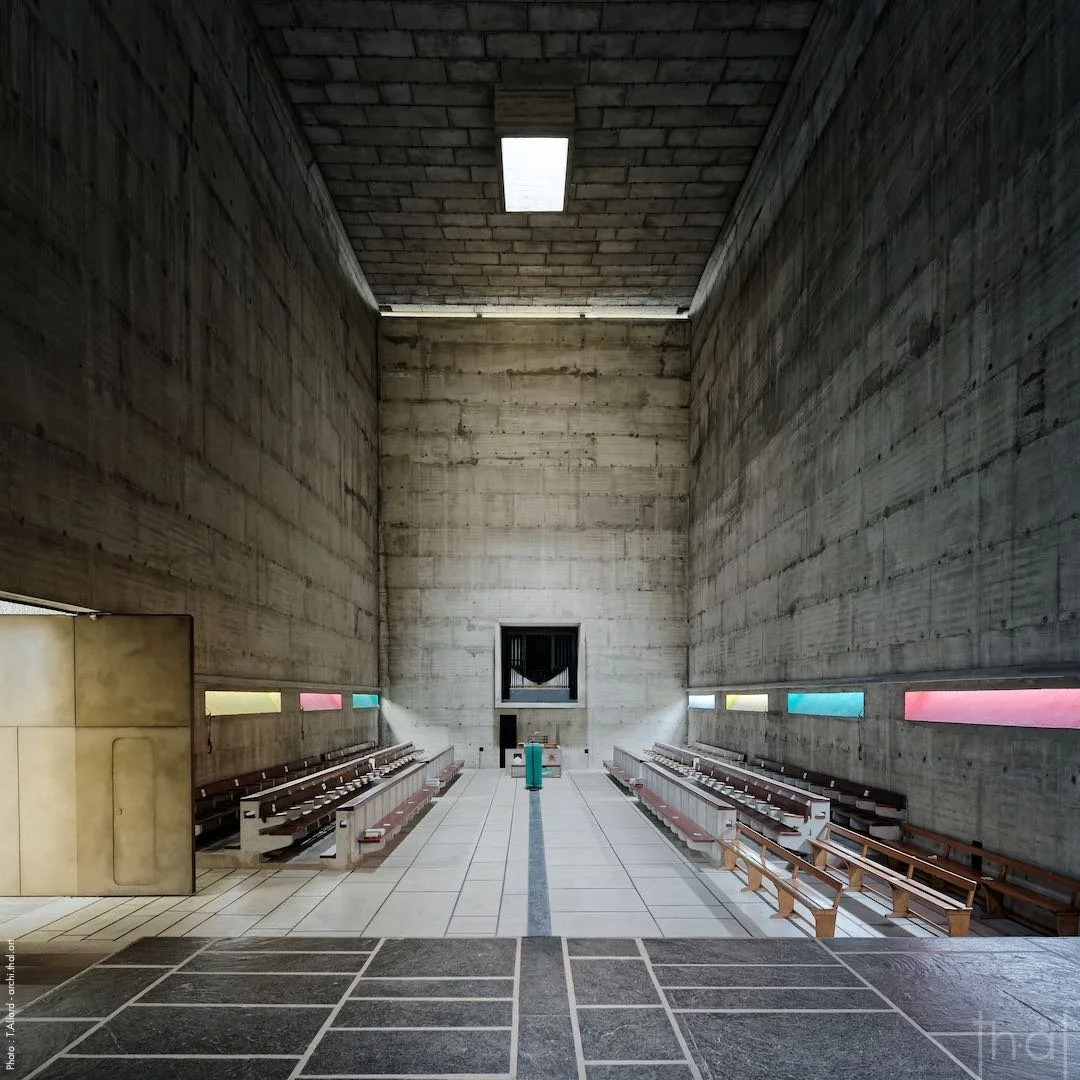
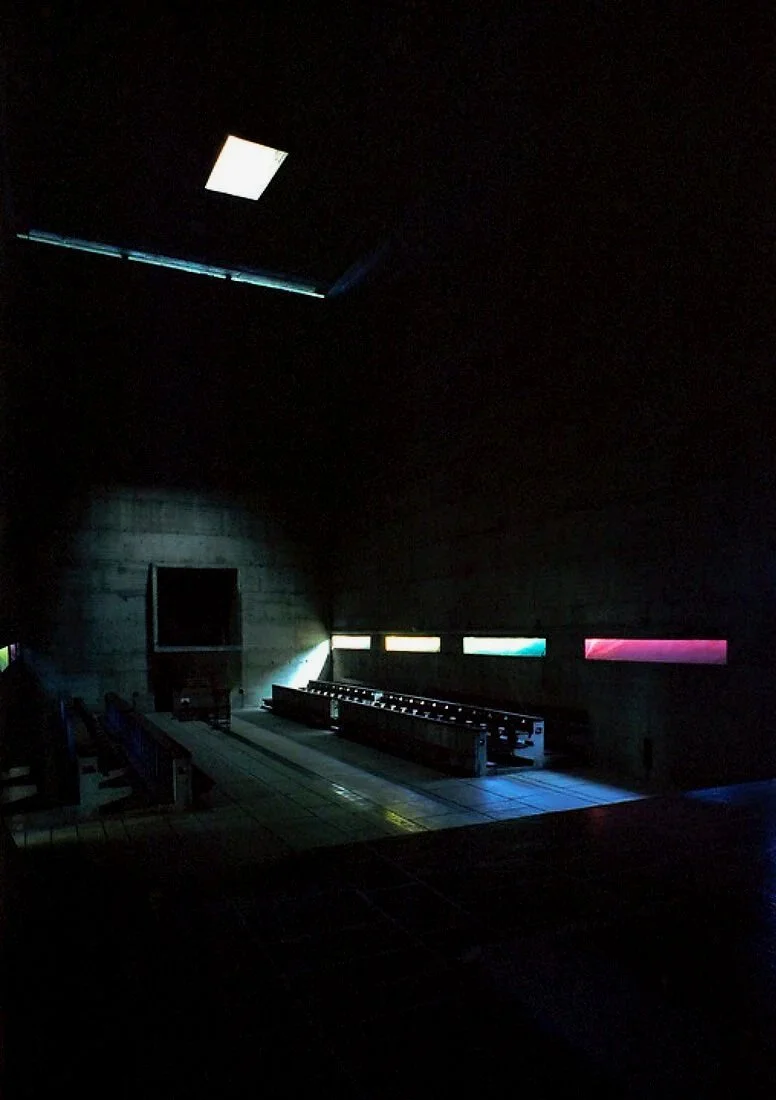
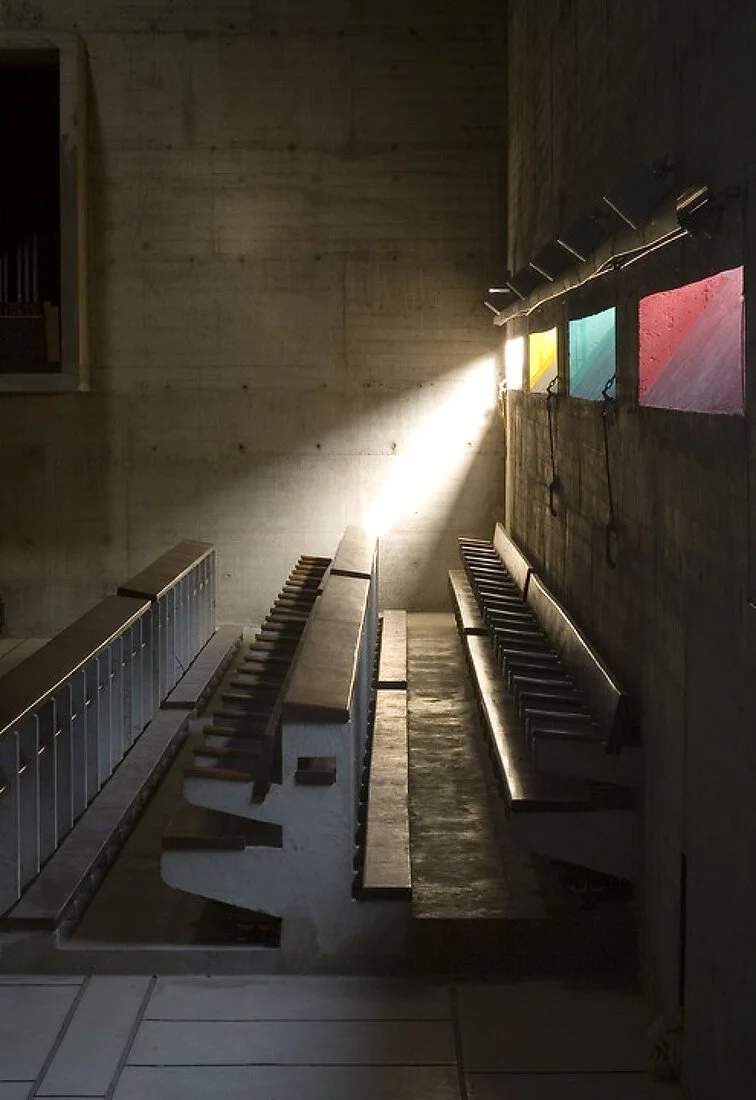
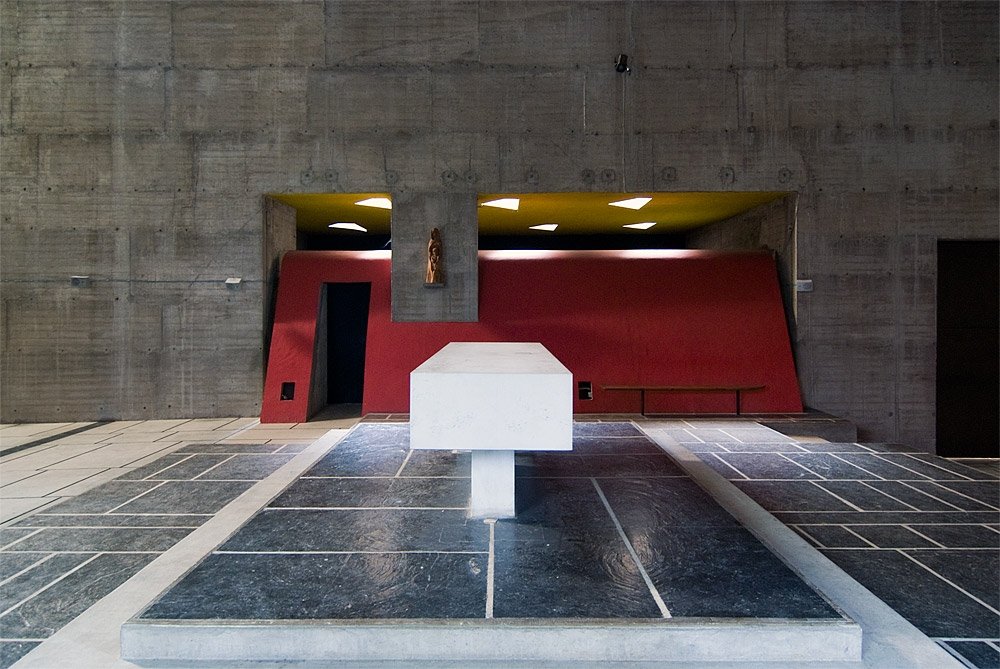

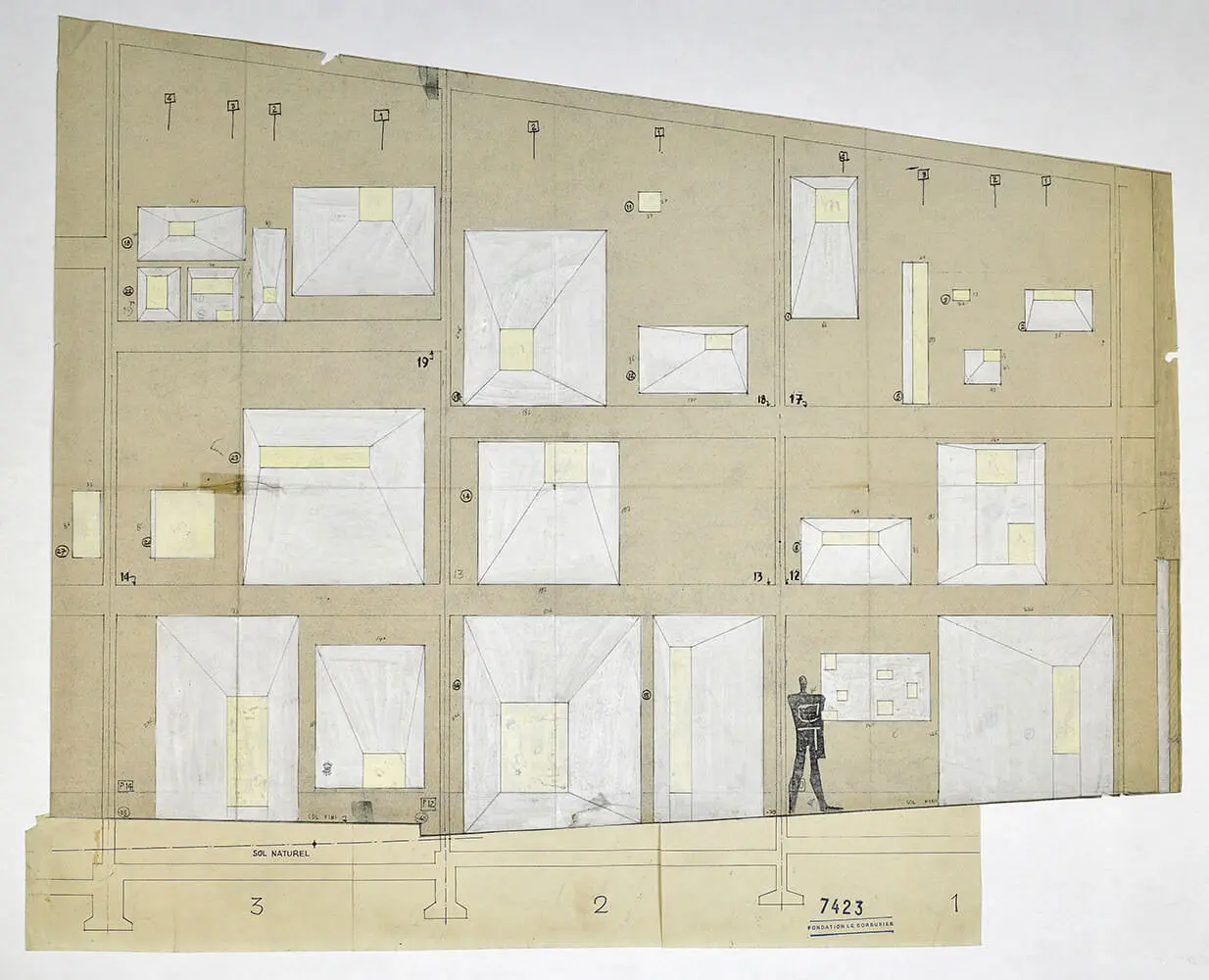
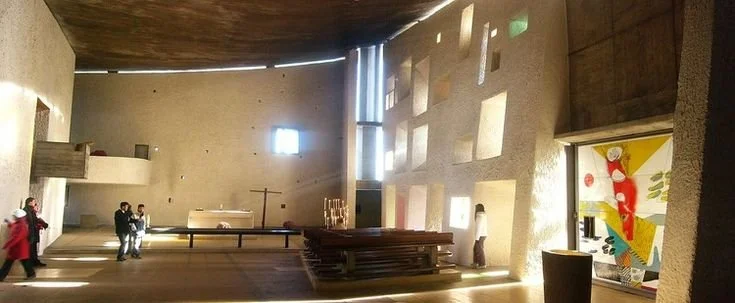
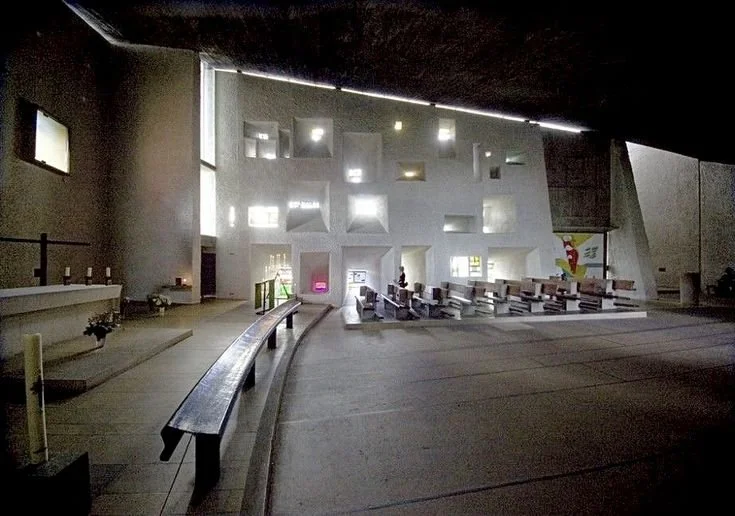
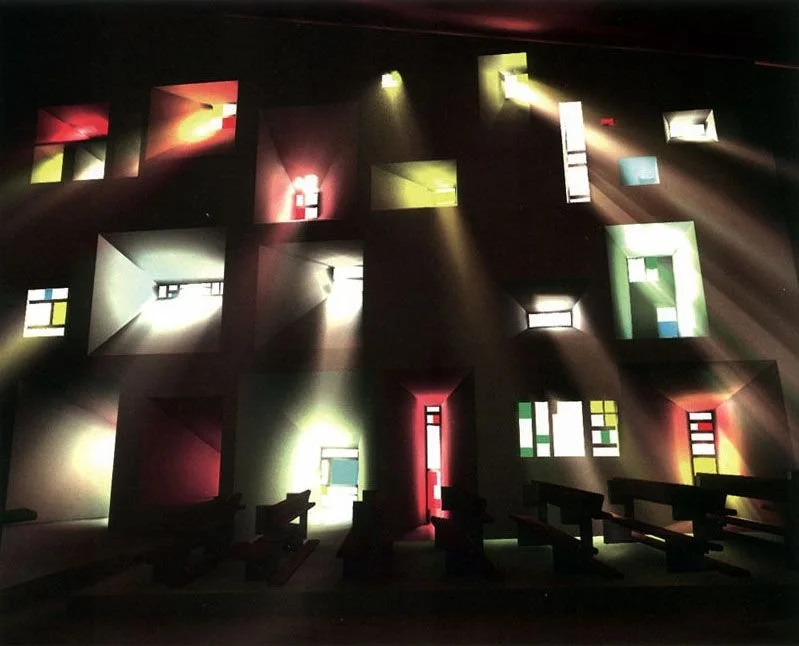


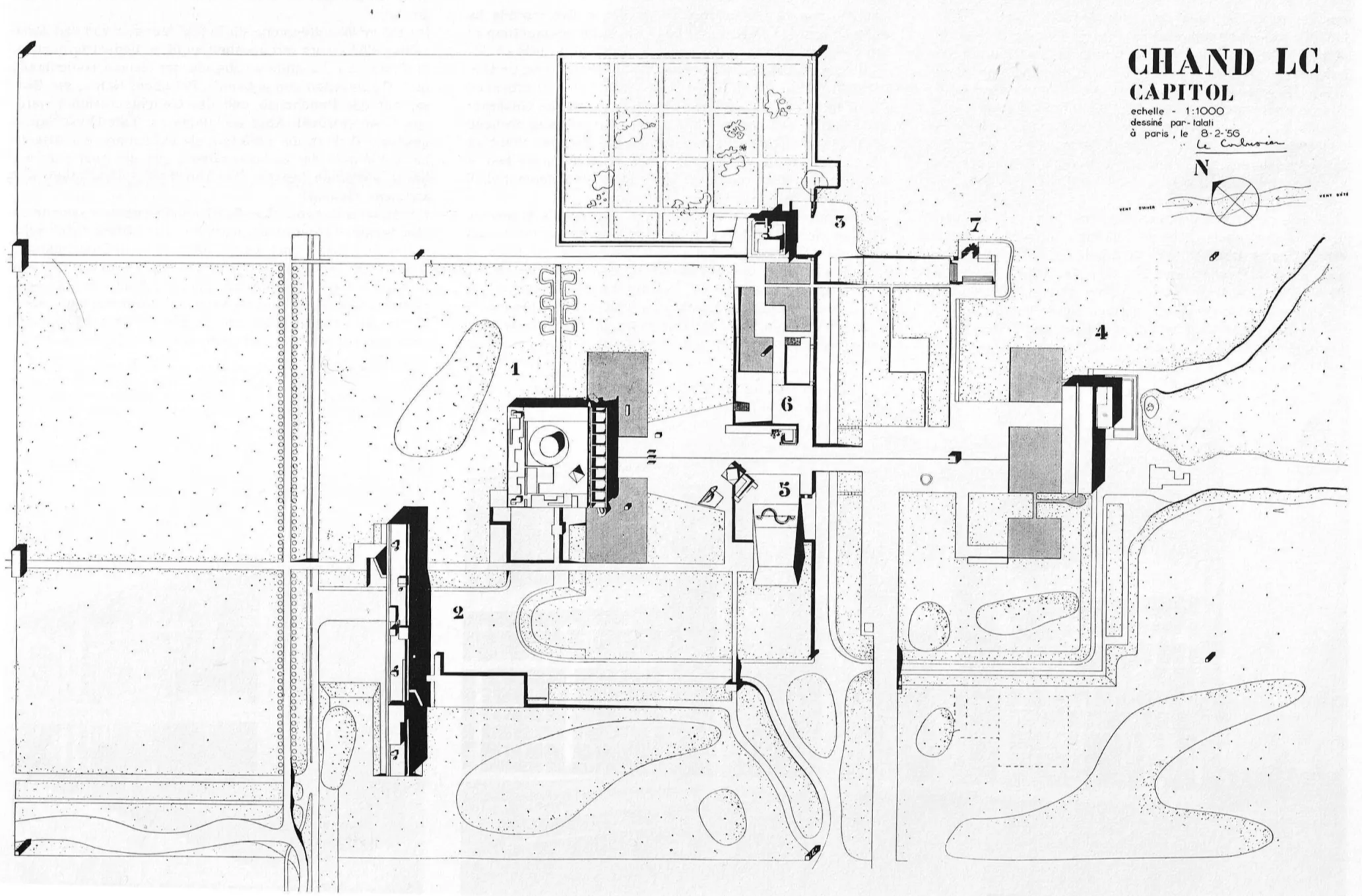
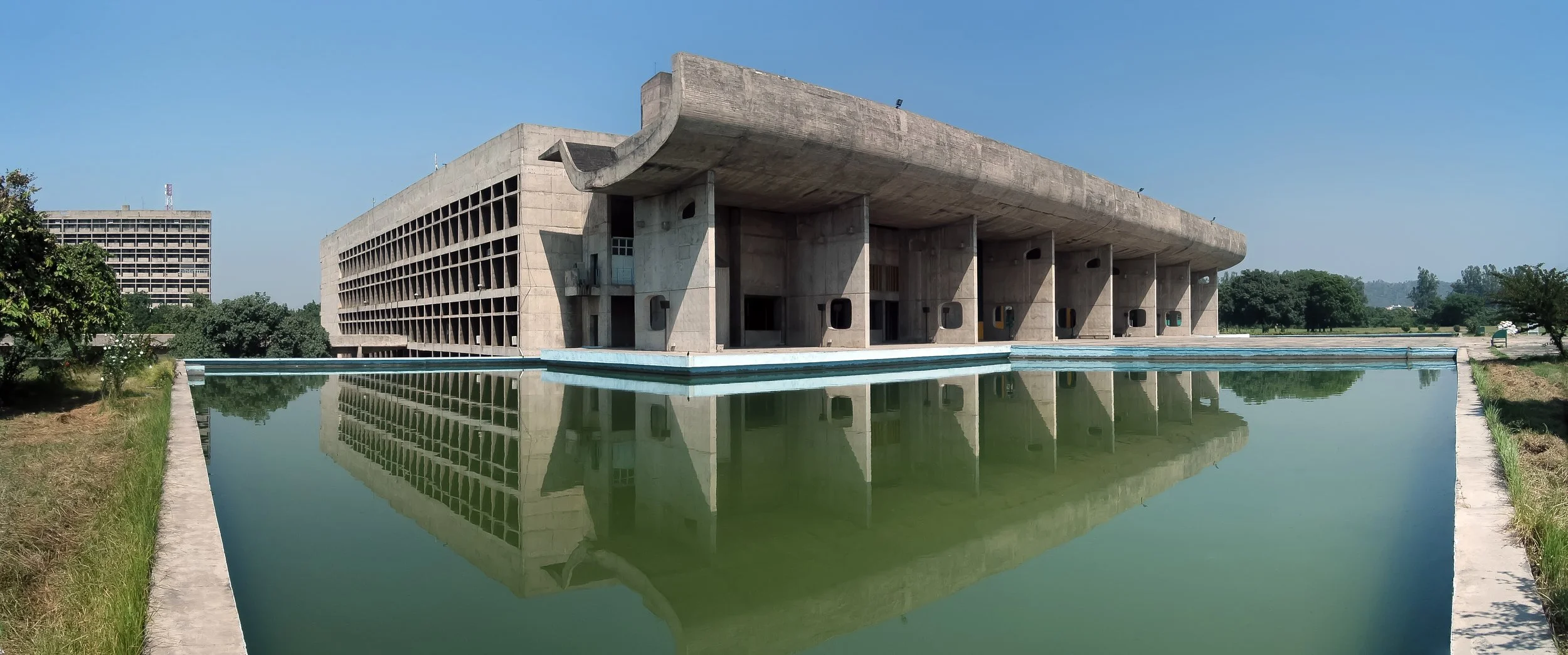
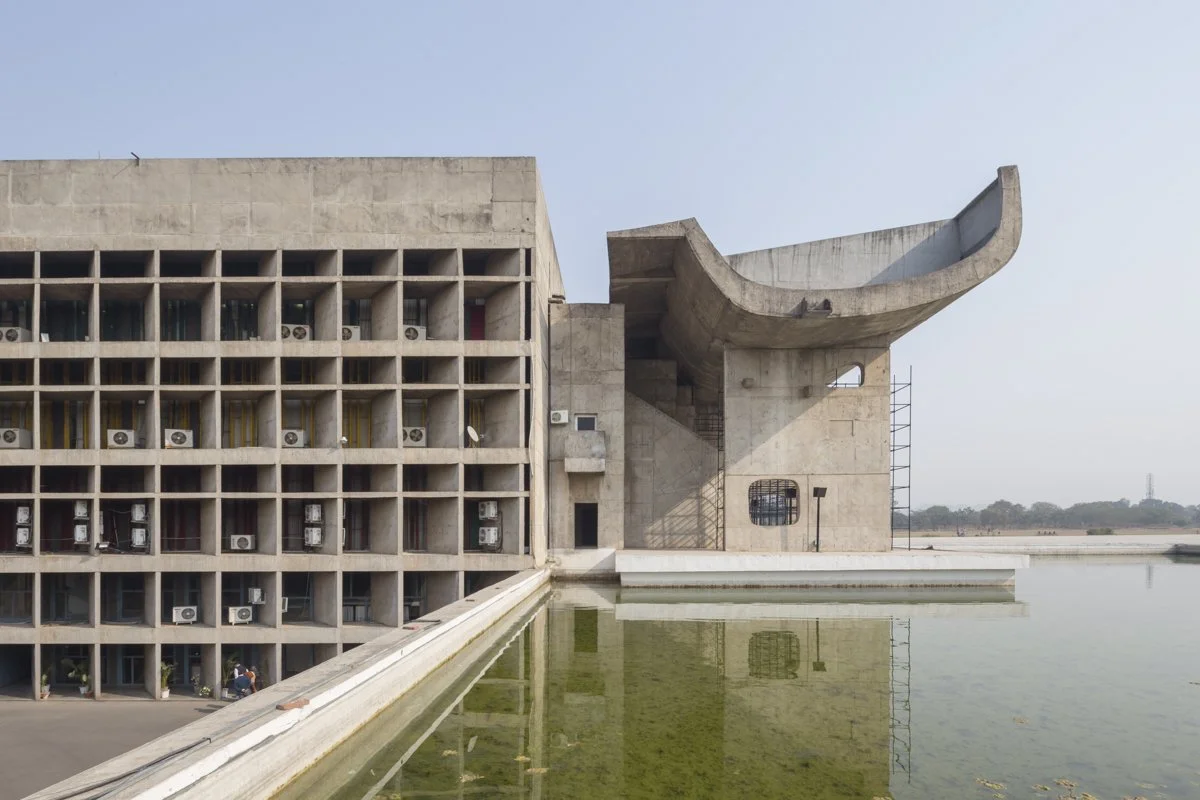

referencias
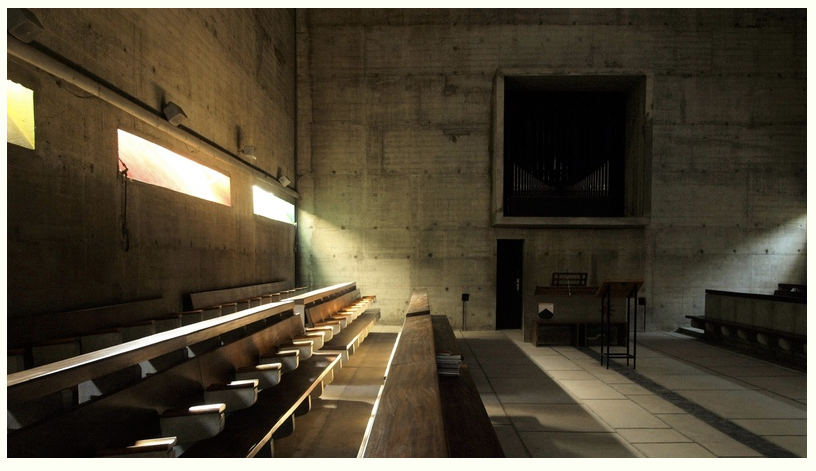
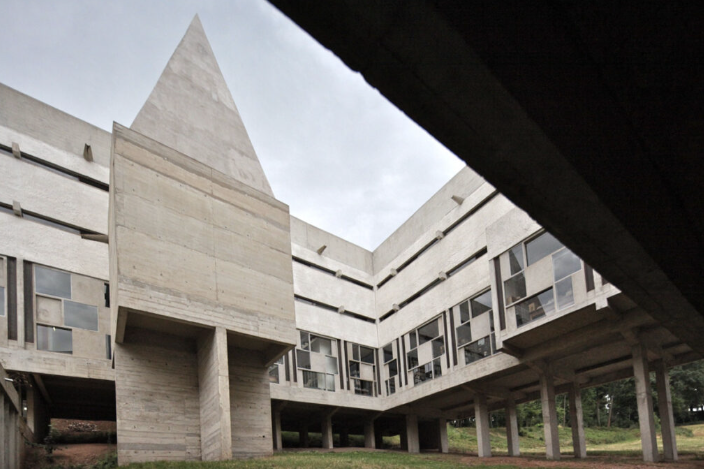
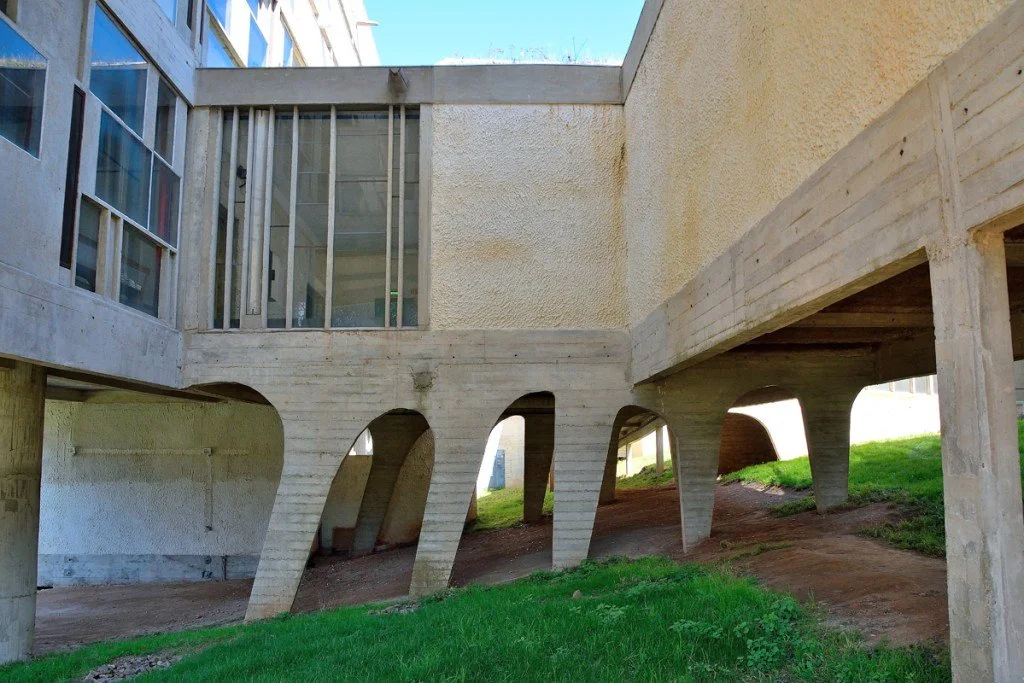
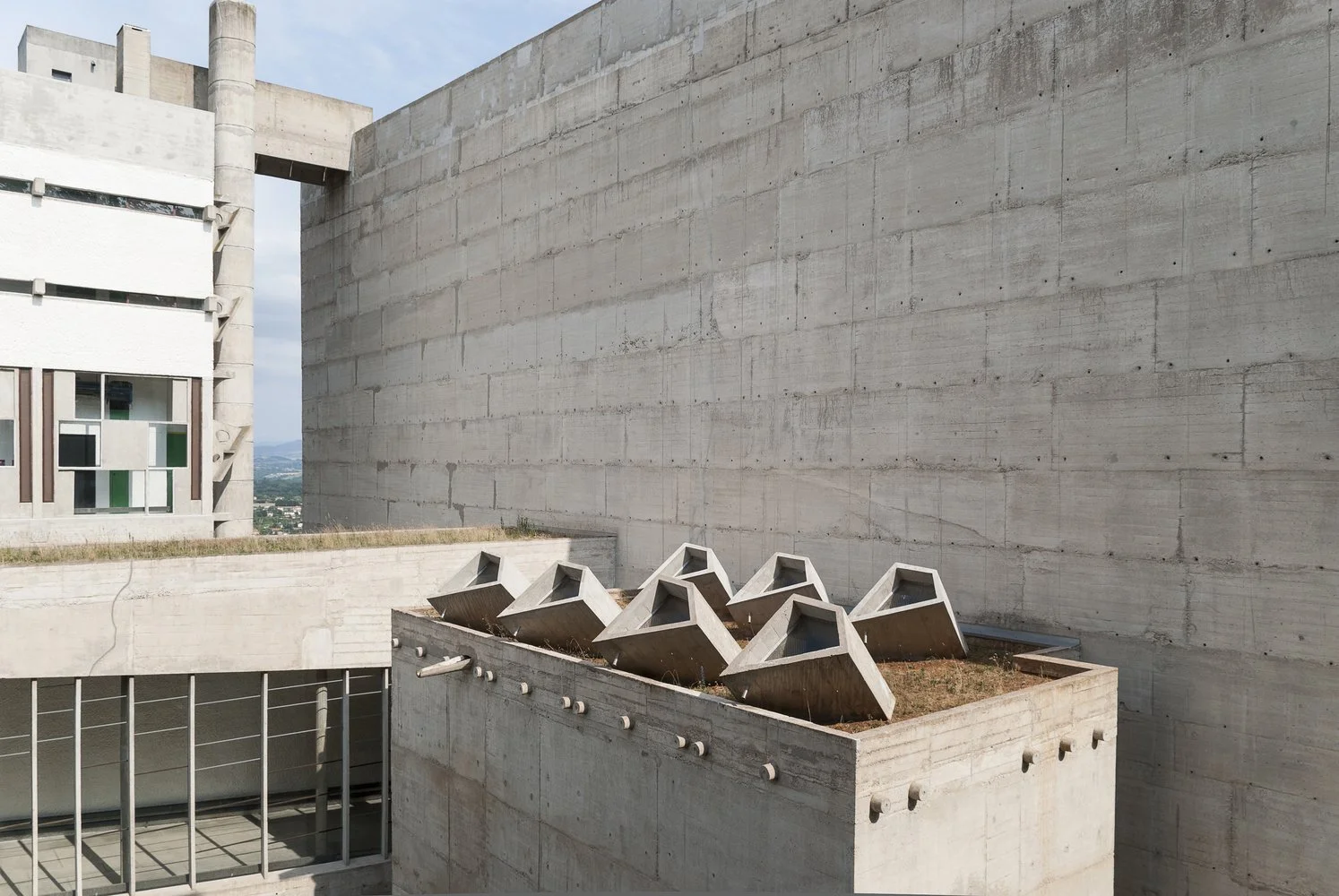
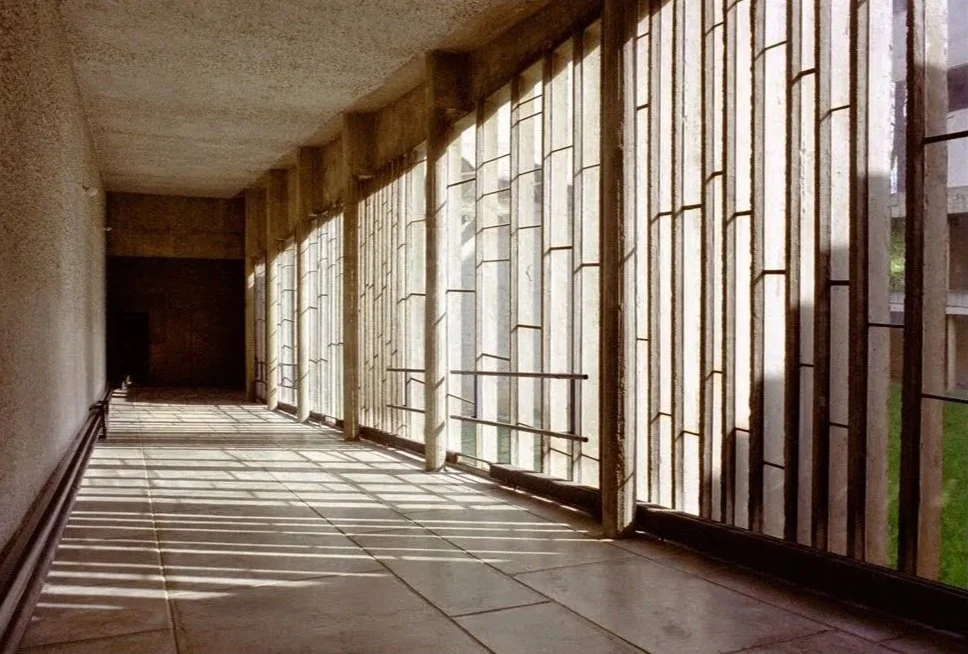
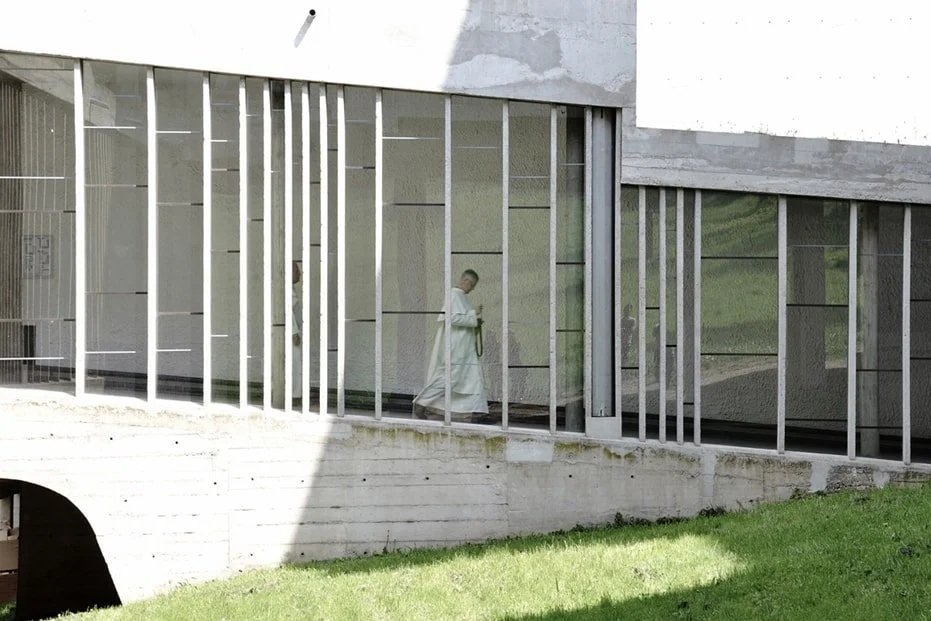
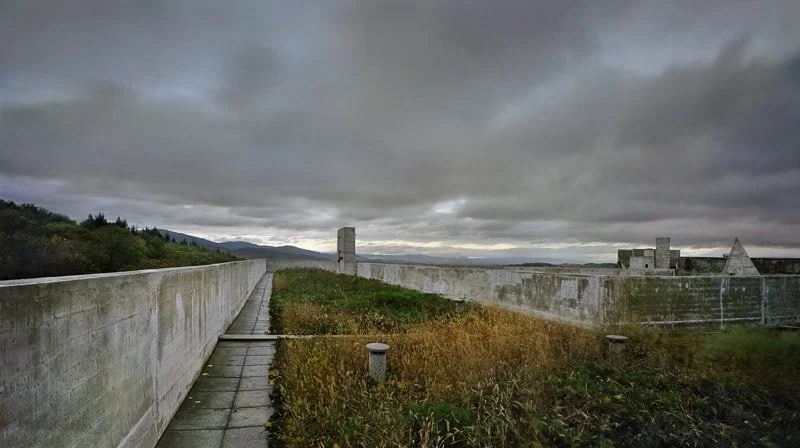
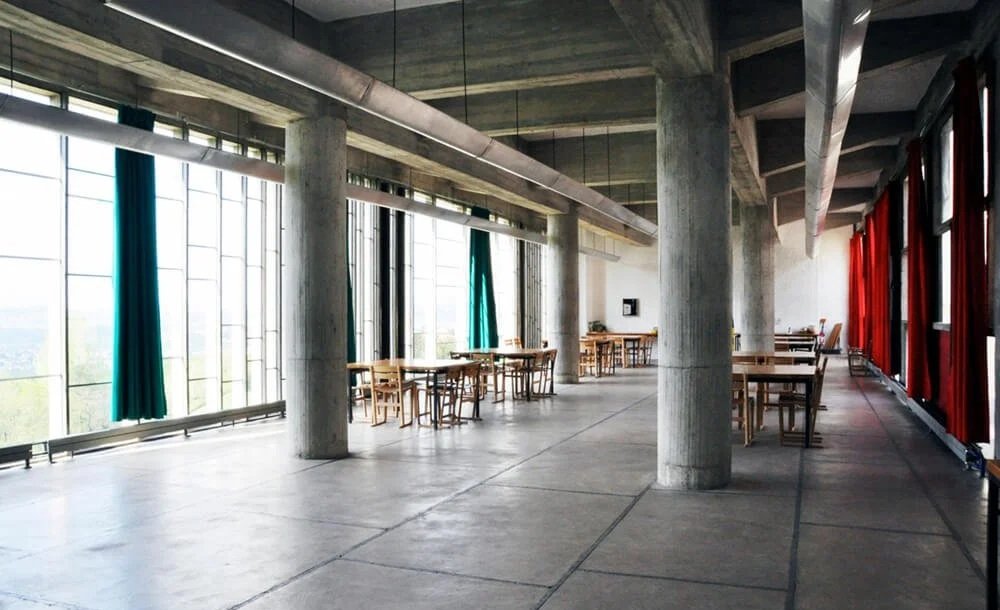
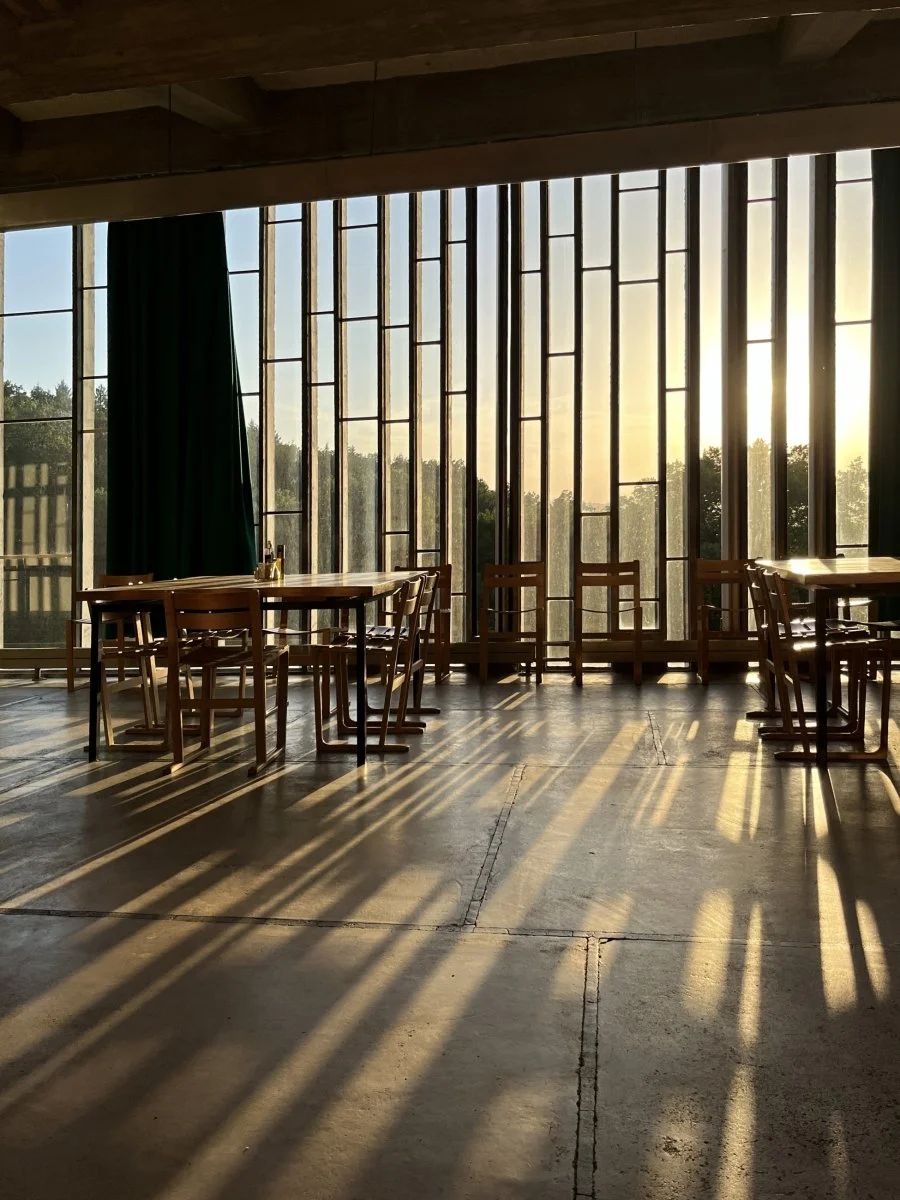
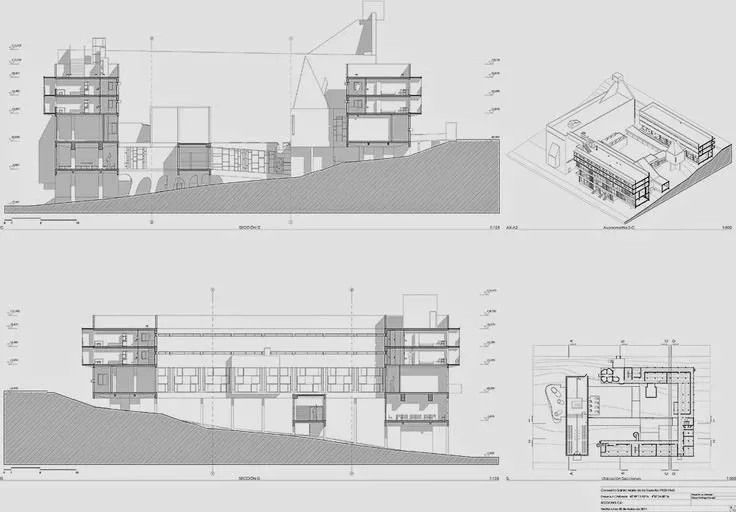
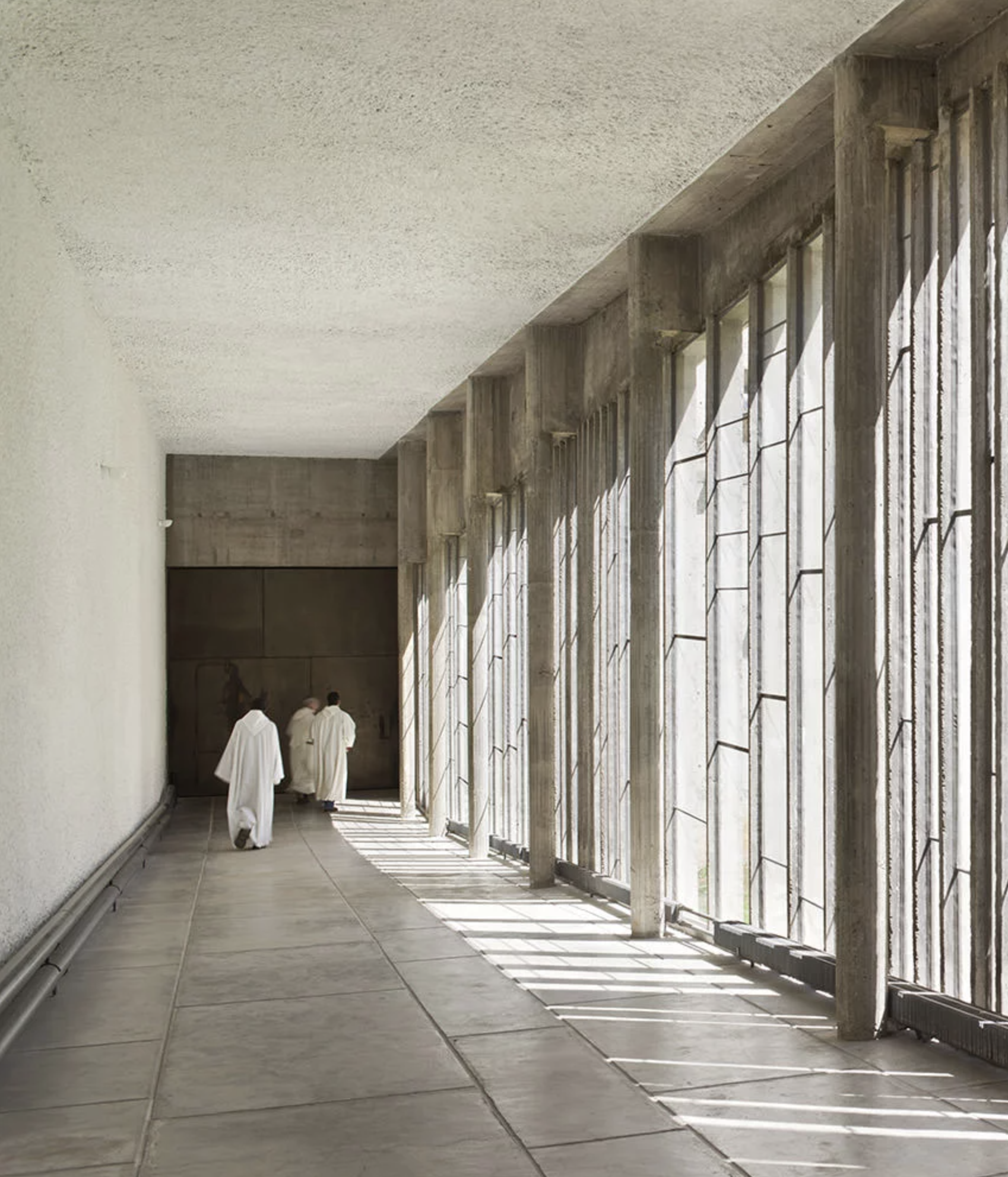
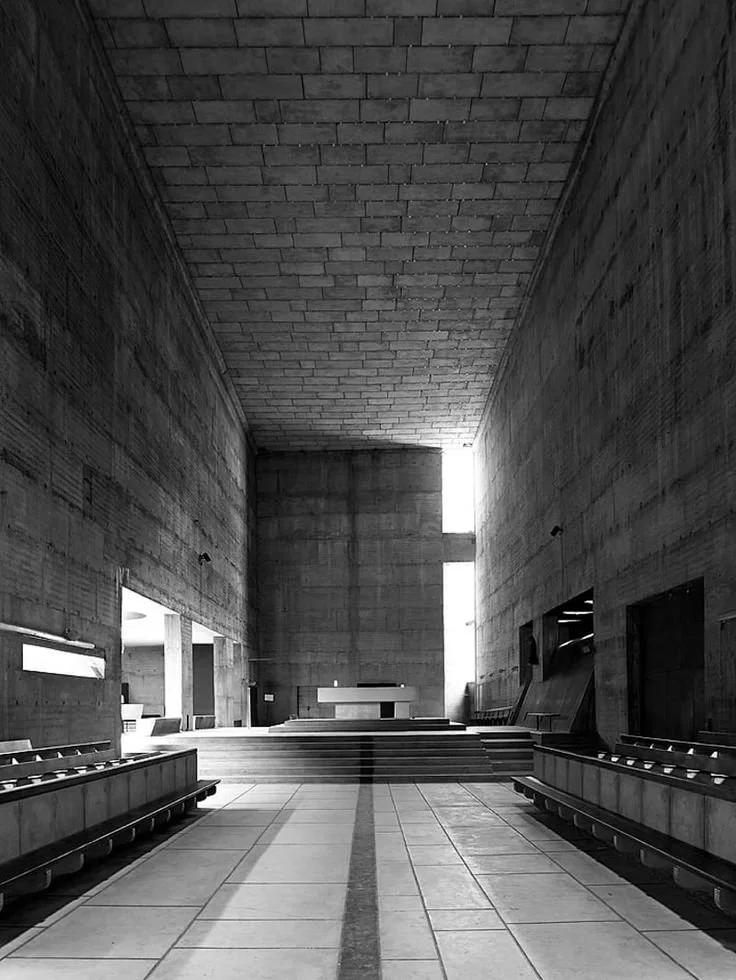
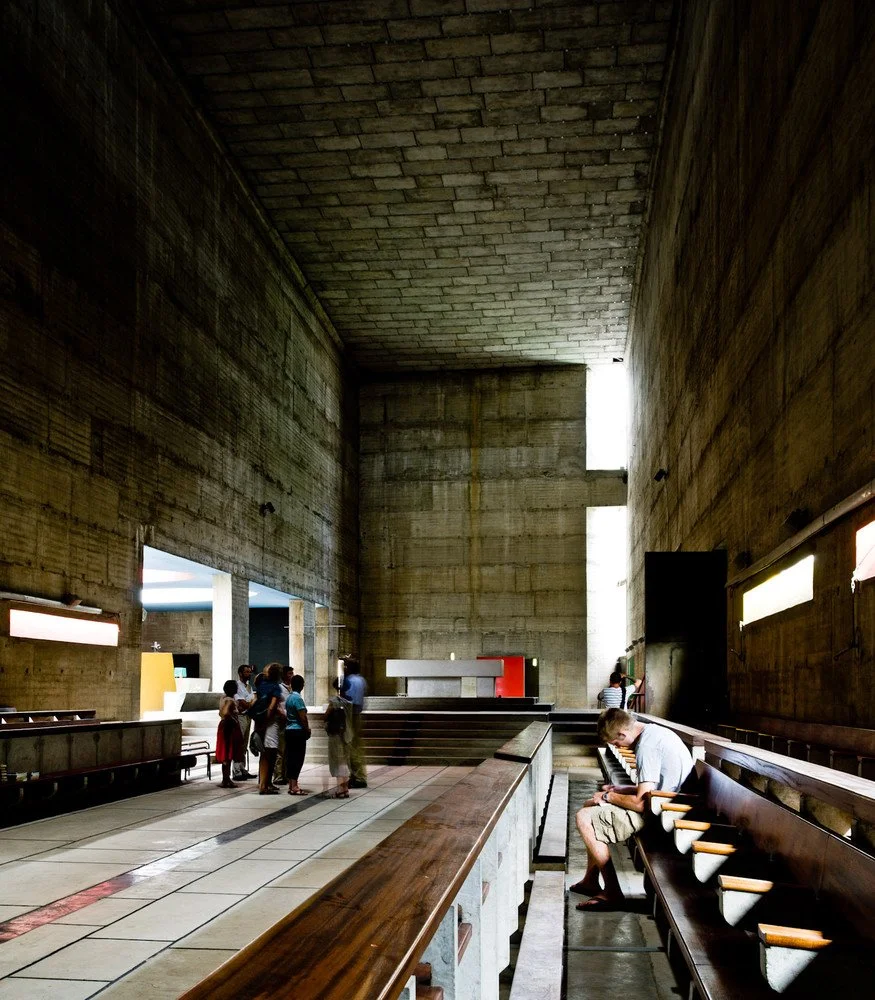
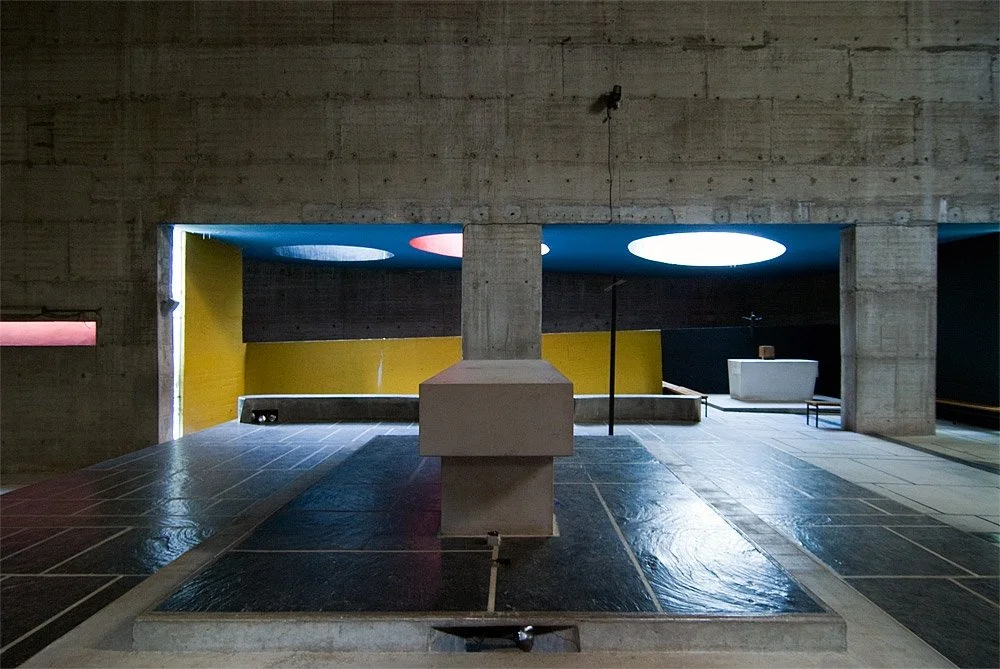
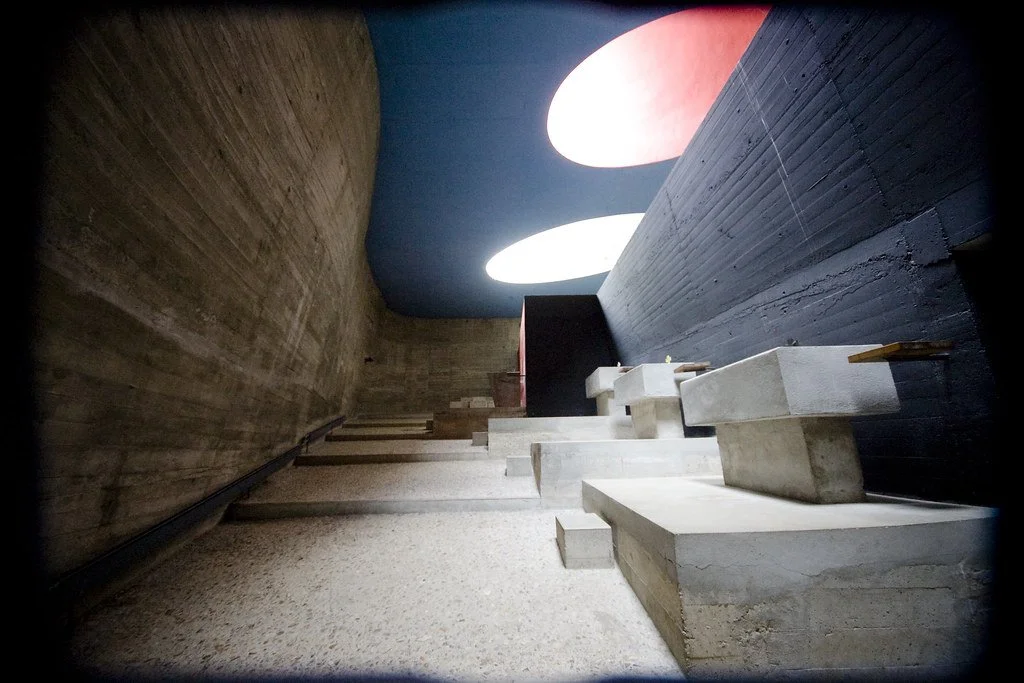
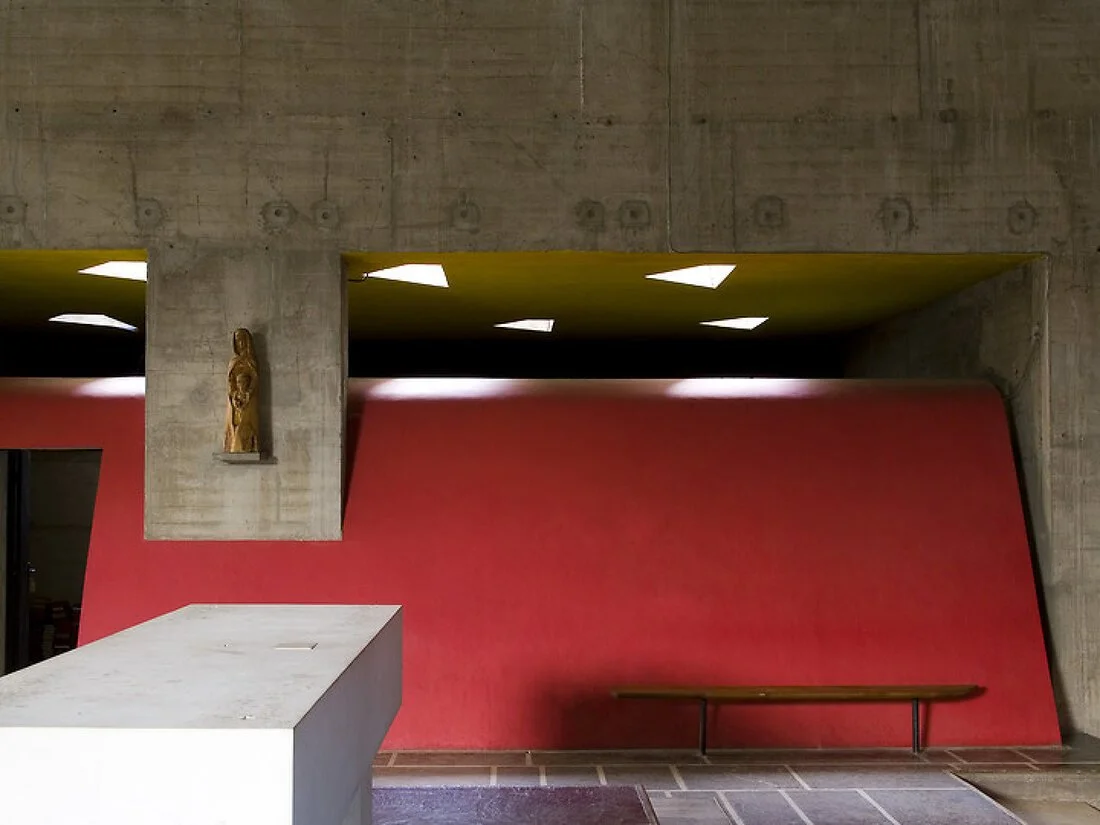
The Convent of La Tourette. 1954-1961, Evreux, Lyon.
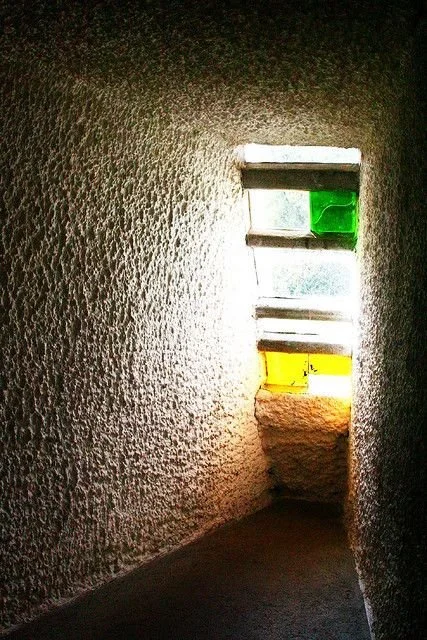
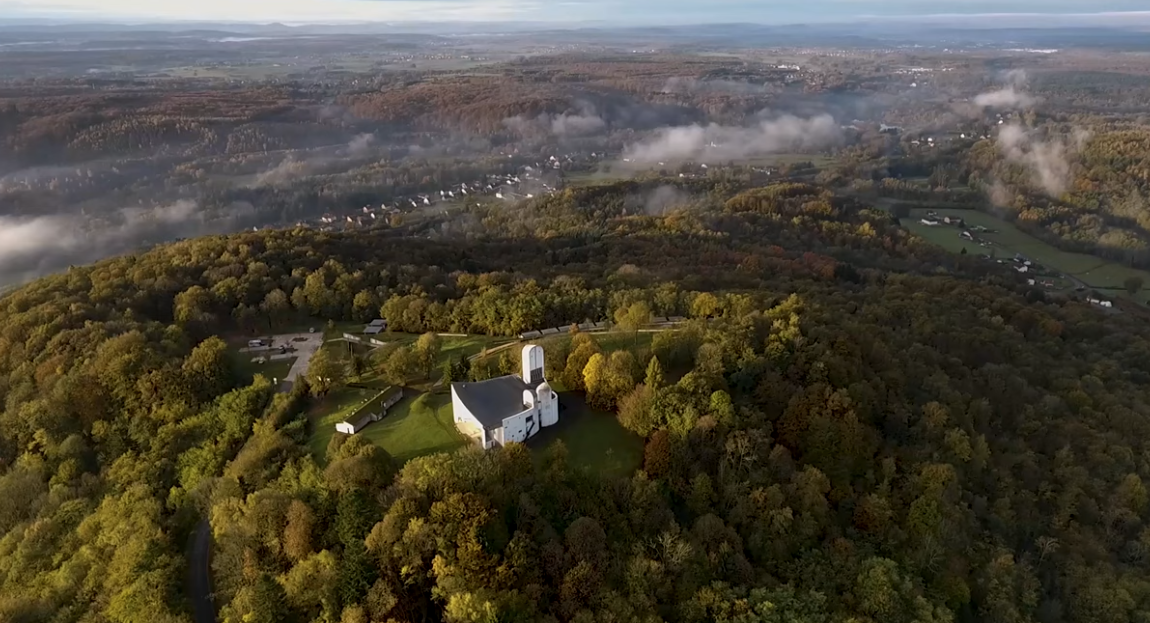
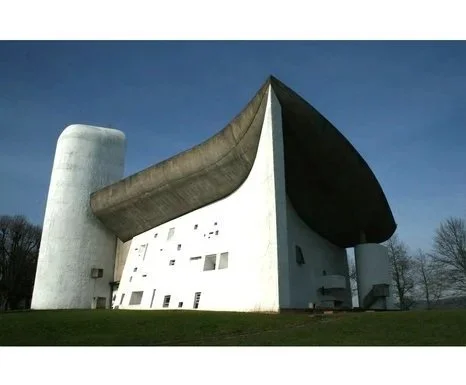
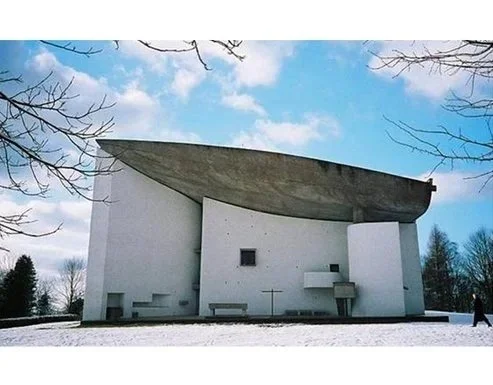
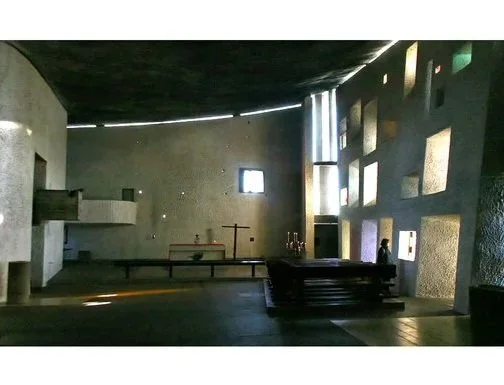
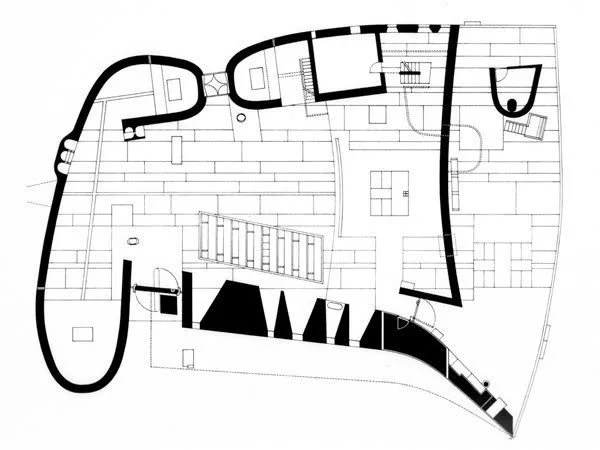
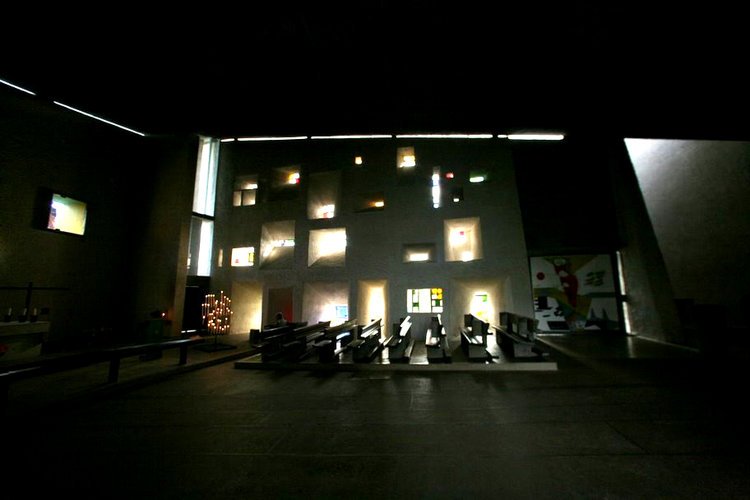
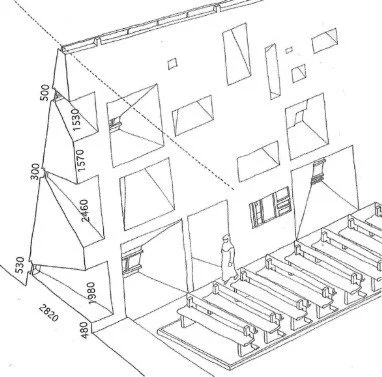
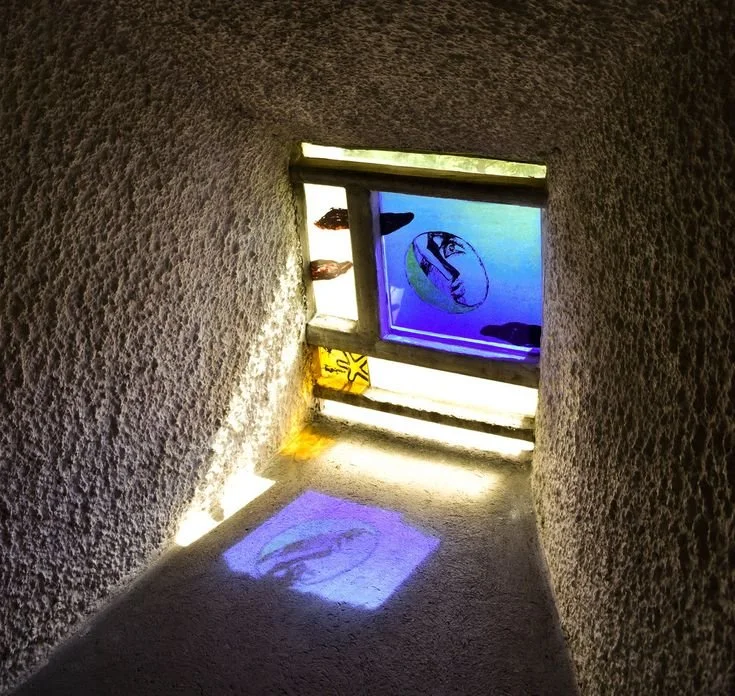
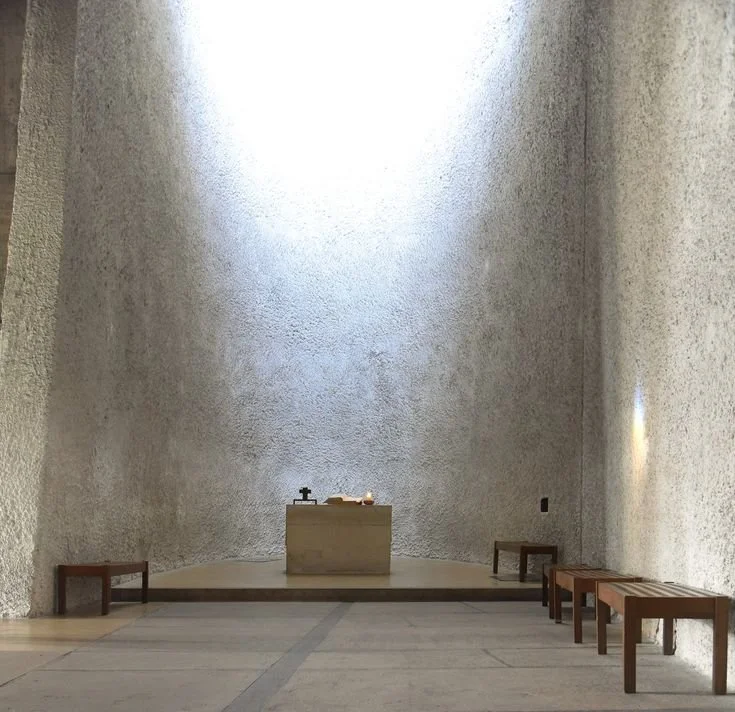
Notre-Dame-du-Haut Chapel. 1950-1955, Ronchamp.
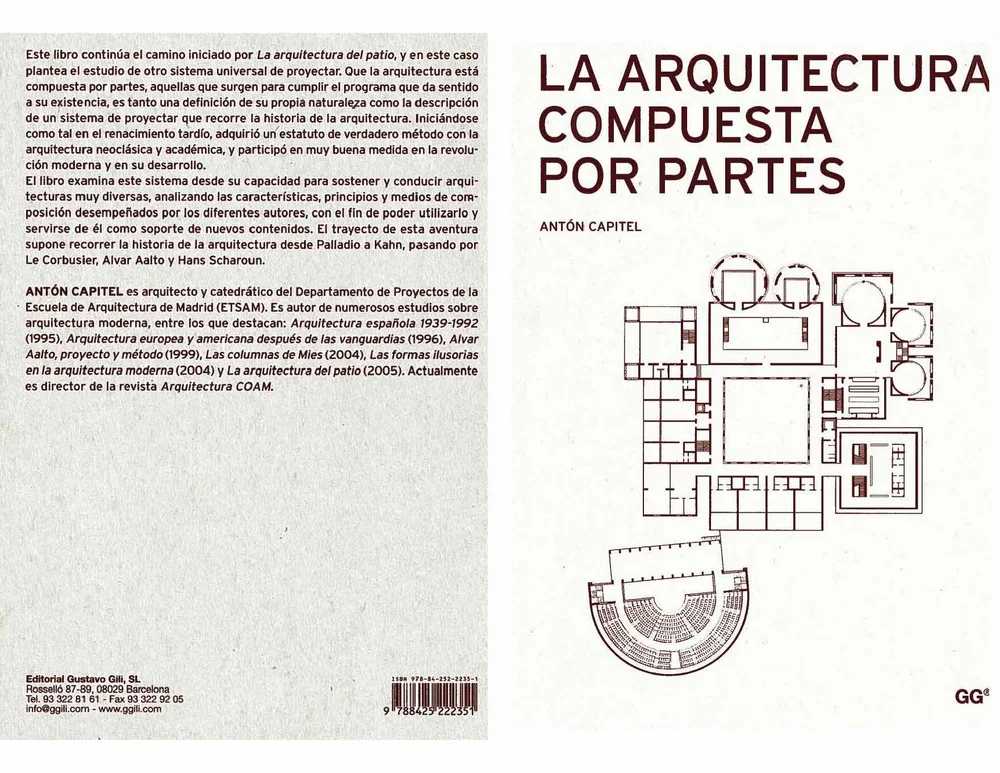
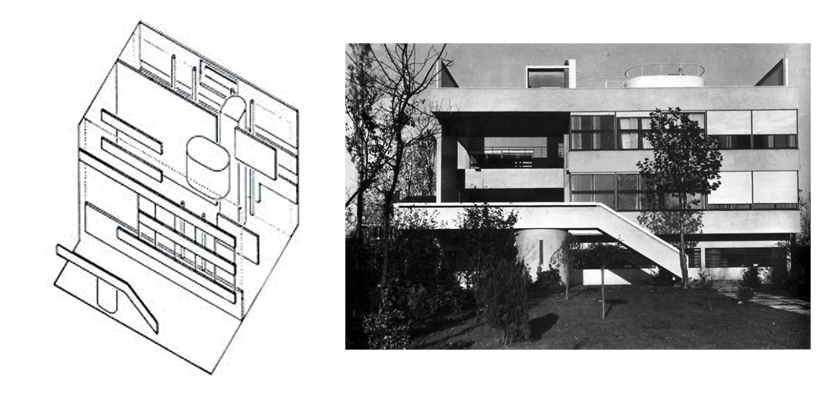
……..la obra de Le Corbusier se desarrolló a través de una gran cantidad de métodos y sistemas de proyectar, alguno de los cuales inventó él mismo. Pero no fue ajeno a la tradición clásica…….utilizó tambien la composición por partes o elementos, que heredó de la academia, dándole una versión modernizada sustituyendo el lenguaje clásico, o los eclécticos e historicistas, por el vocabulario racionalista……..